
They acted like three hours wasn’t anything to bat an eye at. Just because we danced, smiled, and shook off the weight of the week under the South Florida sun doesn’t mean the community forgot.
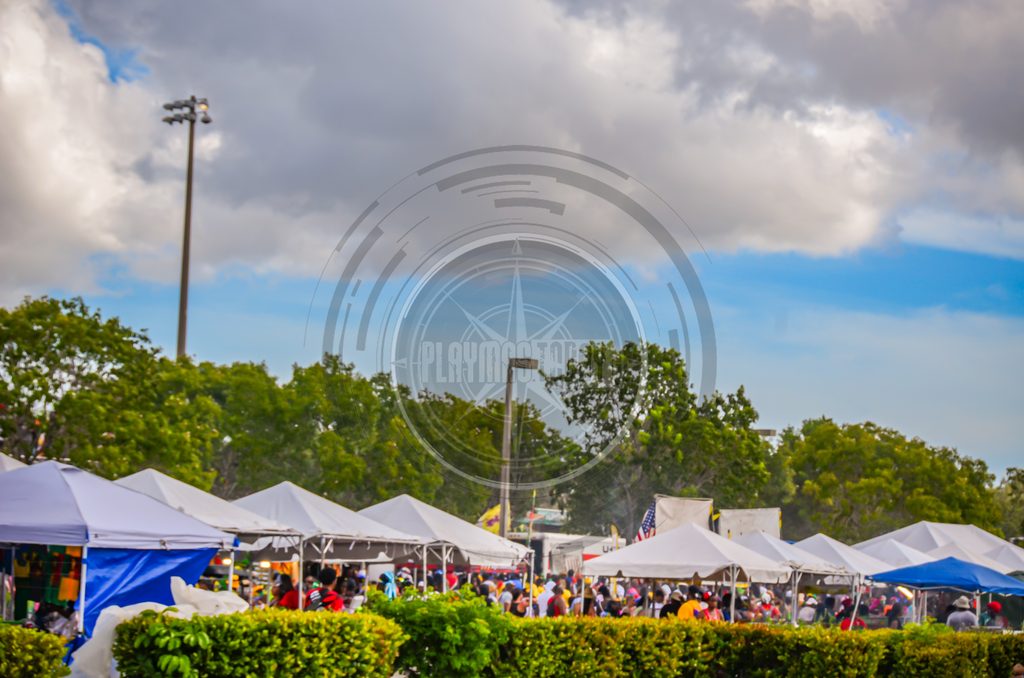
On Saturday, October 10, 2026, thousands of masqueraders arrived before dawn, ready to enact the sacred ritual of J’ouvert—the break of day, the cleansing by mud, oil, and paint. Instead, the gates sat at a standstill. A promised 7:00 AM start dissolved into a grueling three-hour stall outside the perimeter, turning entry into an obstacle course of overzealous ticketing agents and uncommunicative gate staff. When the gates finally gave way at 10:00 AM, the advertised 3:00 PM hard stop remained unchanged.
In carnival terms, losing three hours of a road march isn’t merely an inconvenience; it is a structural fracture of the experience.
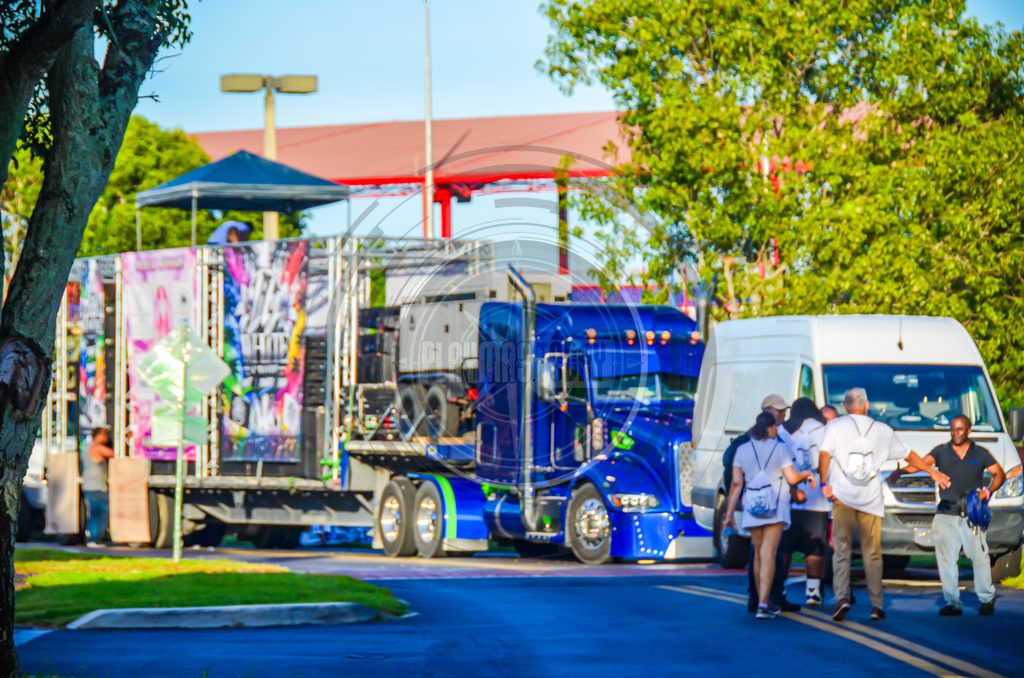
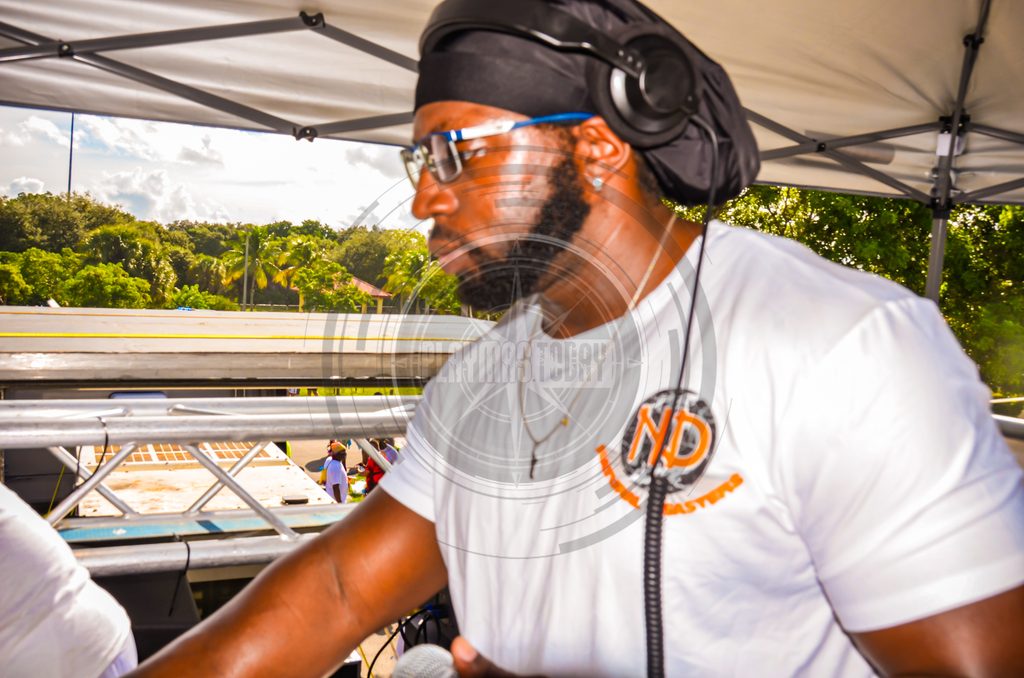
To compensate for the compressed timeline, organizers shoved sound and beverage trucks forward along the route, severely slashing road time for the bands holding early positions. Masqueraders who paid premium rates to lead the parade found their journey over before it had properly begun. “We felt rushed,” voiced multiple masqueraders trapped in the bottleneck. “The road ended before it even started.”
As cultural observers and chroniclers of Caribbean spaces, we know the danger of institutional silence. When event management fails to communicate in real time, operational friction quickly turns into customer disenfranchisement. A carnival cannot rely indefinitely on the boundless resilience of its patrons to compensate for operational shortcomings. If organizers continually push arrival times back without transparency, they risk fundamentally altering attendee behavior. The unspoken danger is clear: when people stop trusting the schedule, they simply arrive later and later, gradually killing the very essence of the morning celebration. Trust is the invisible currency of the road, and once spent, no marketing campaign can buy it back.
Yet, watch the pavement once the sound shook loose.
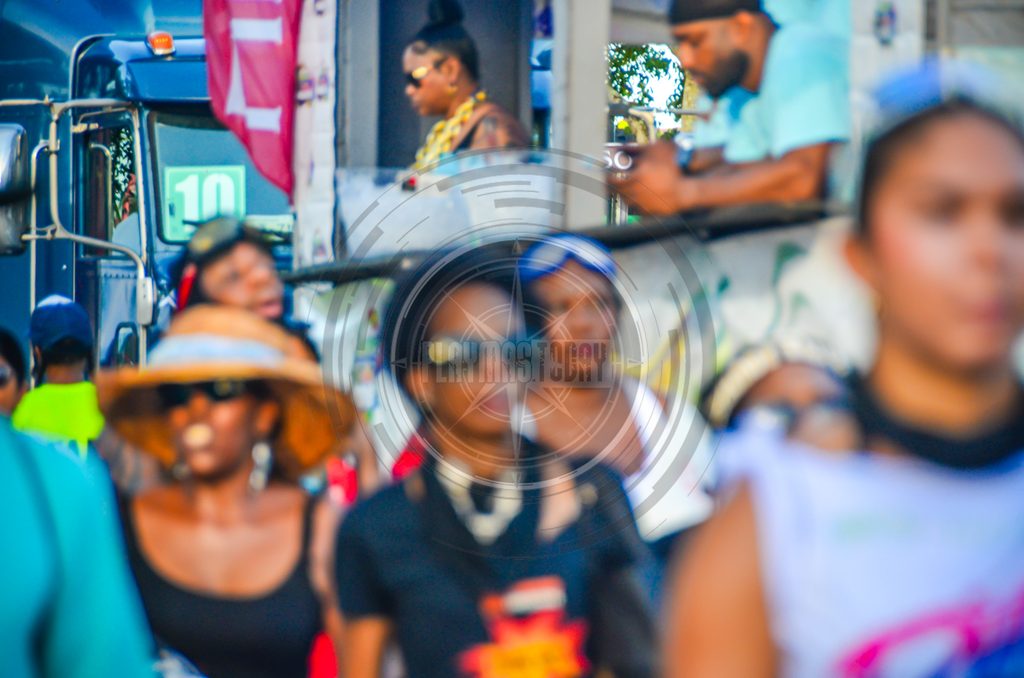
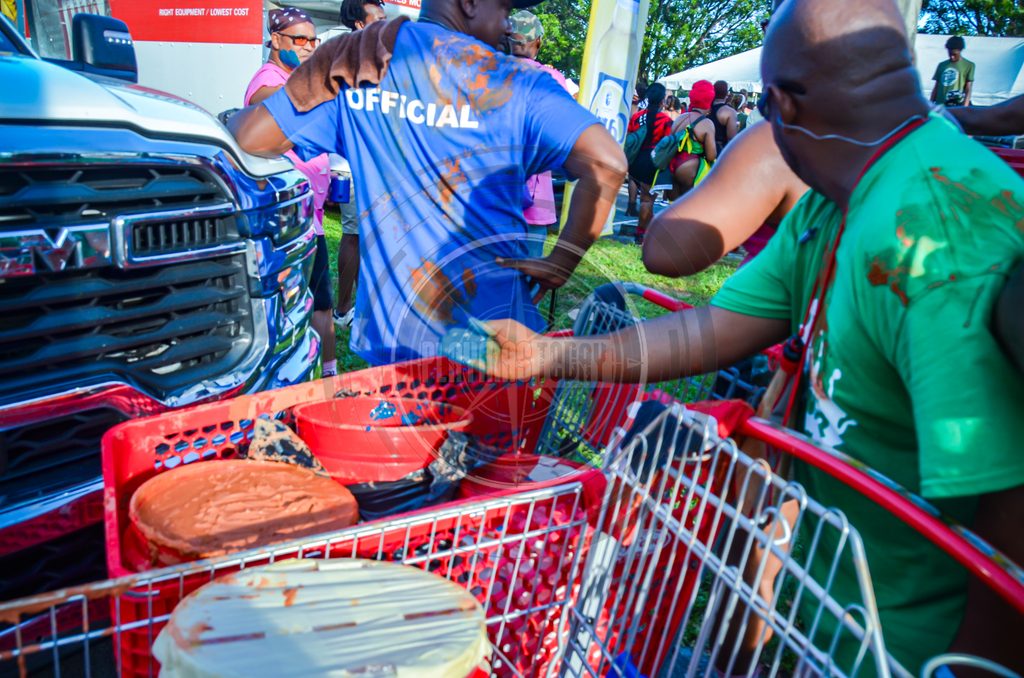
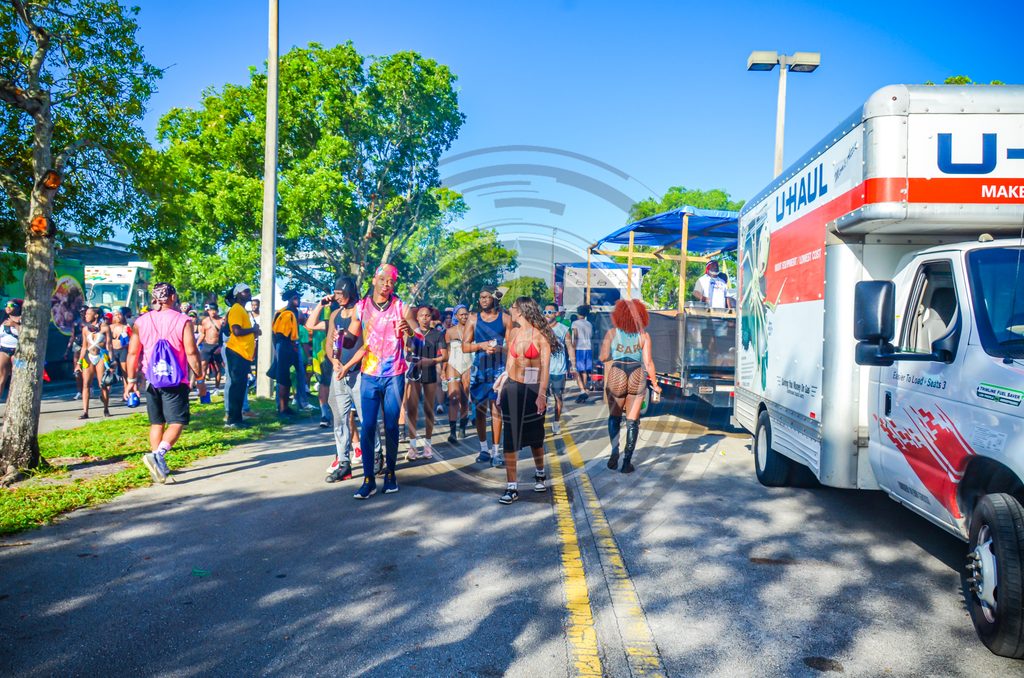
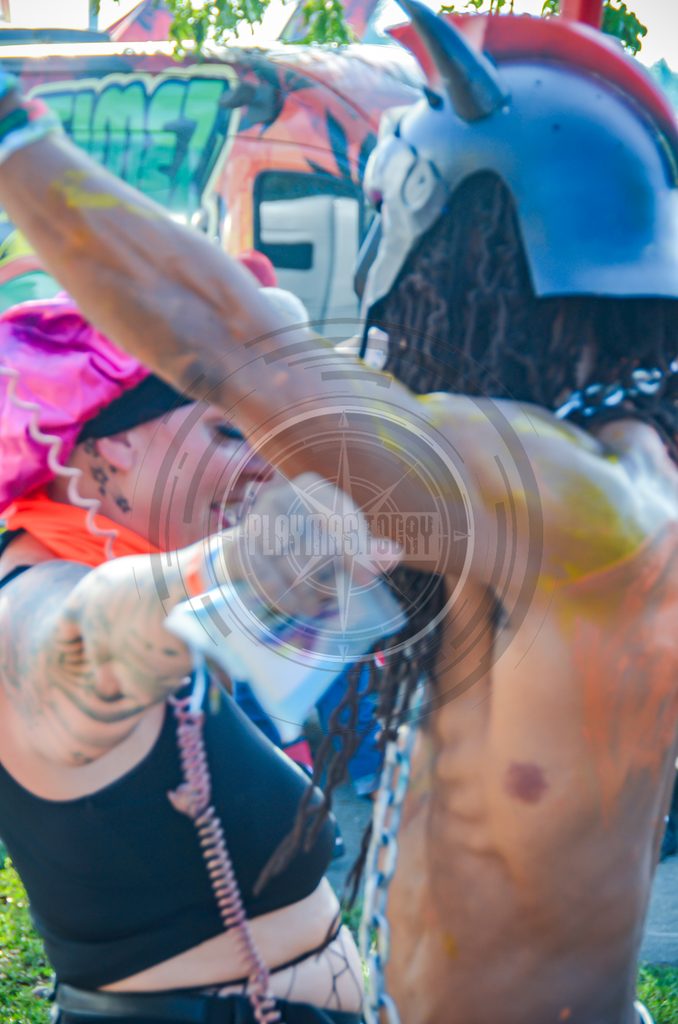
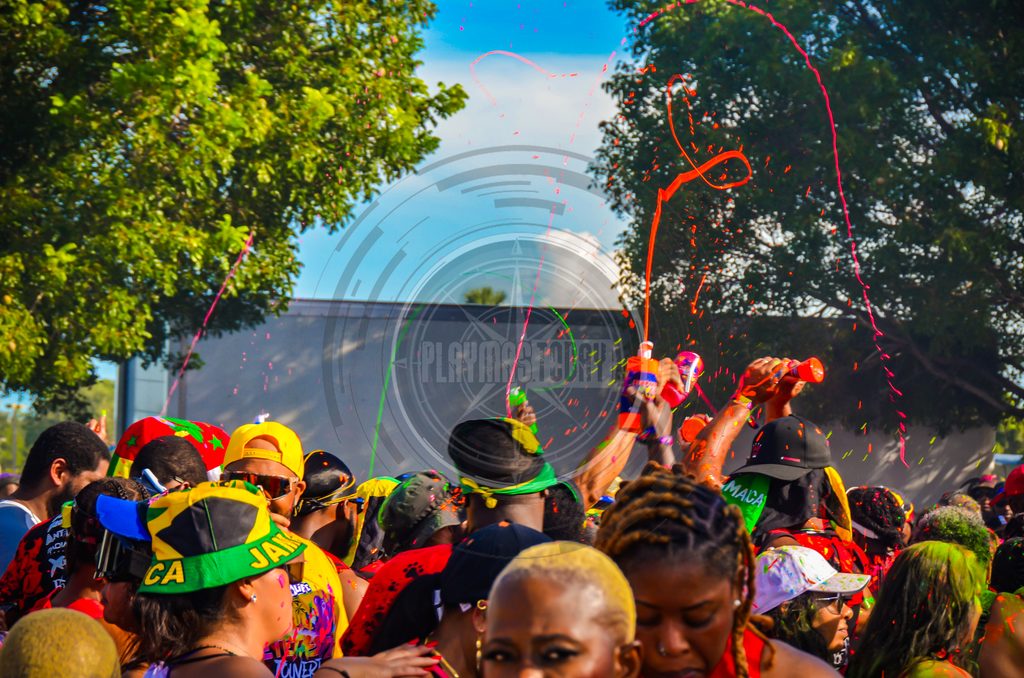
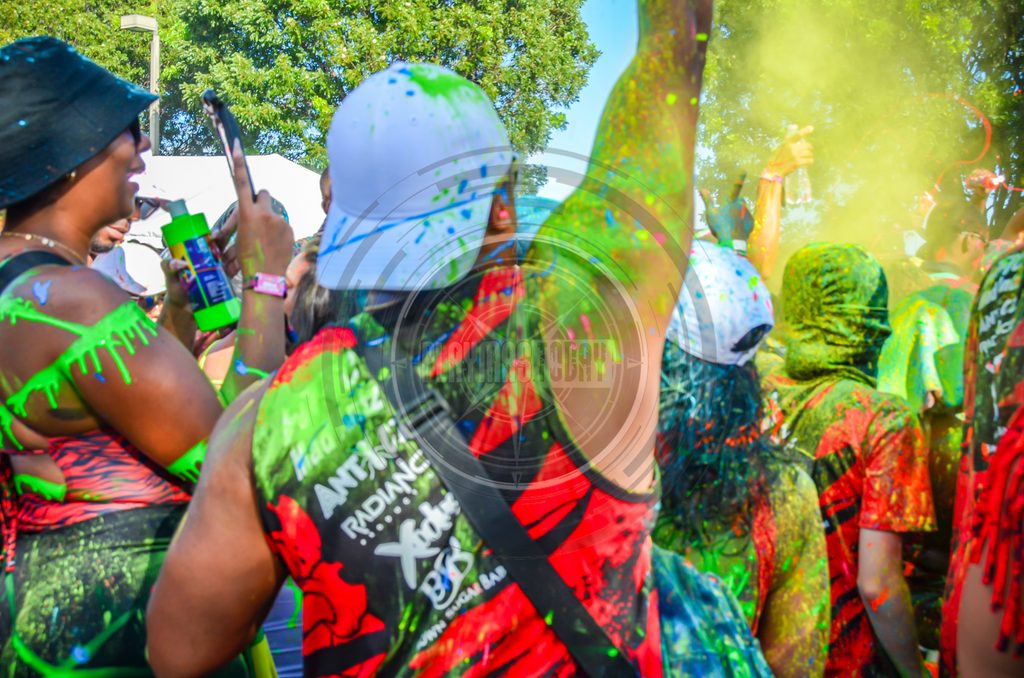
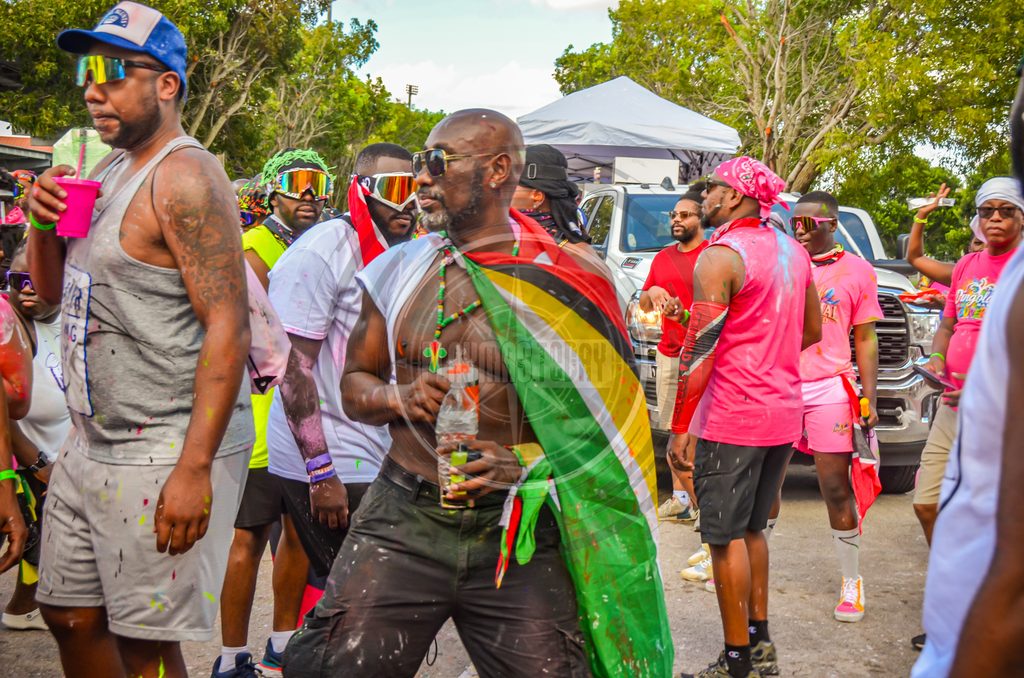
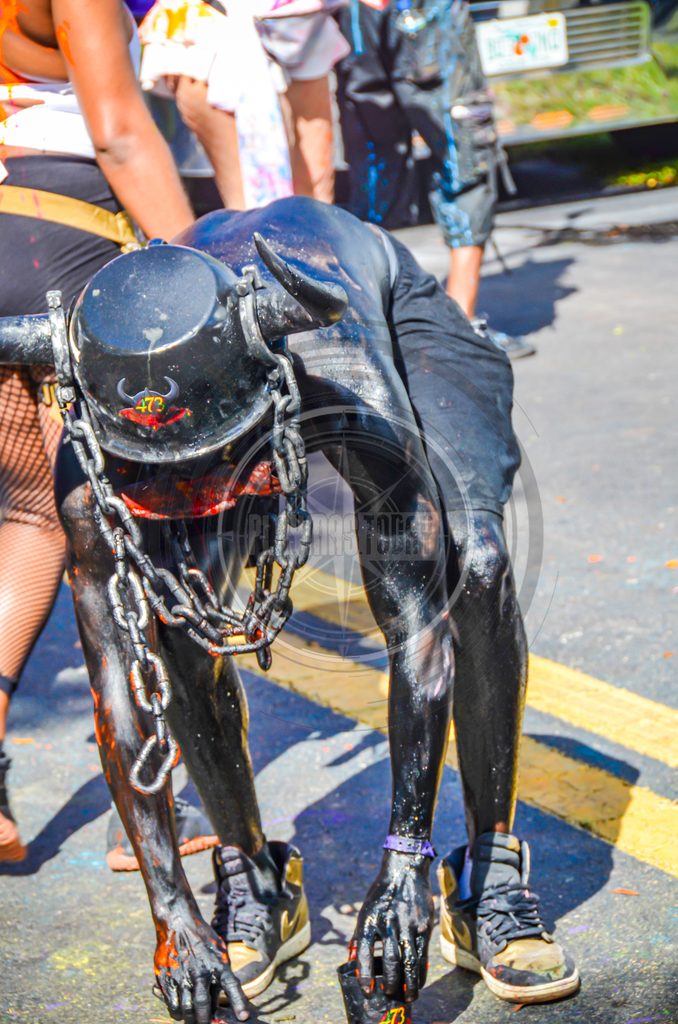
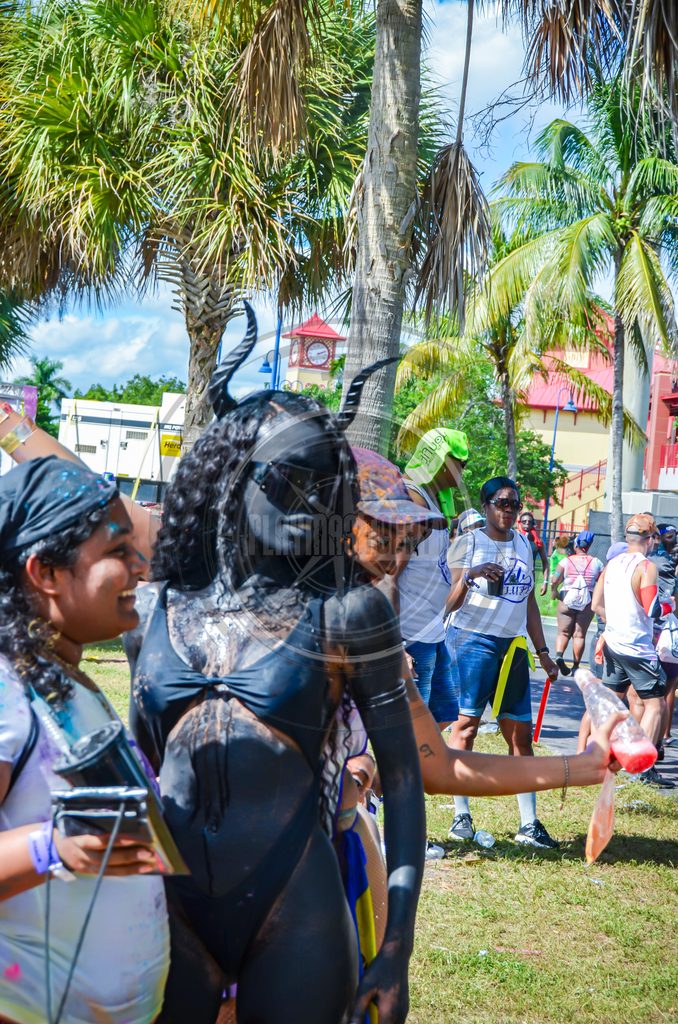
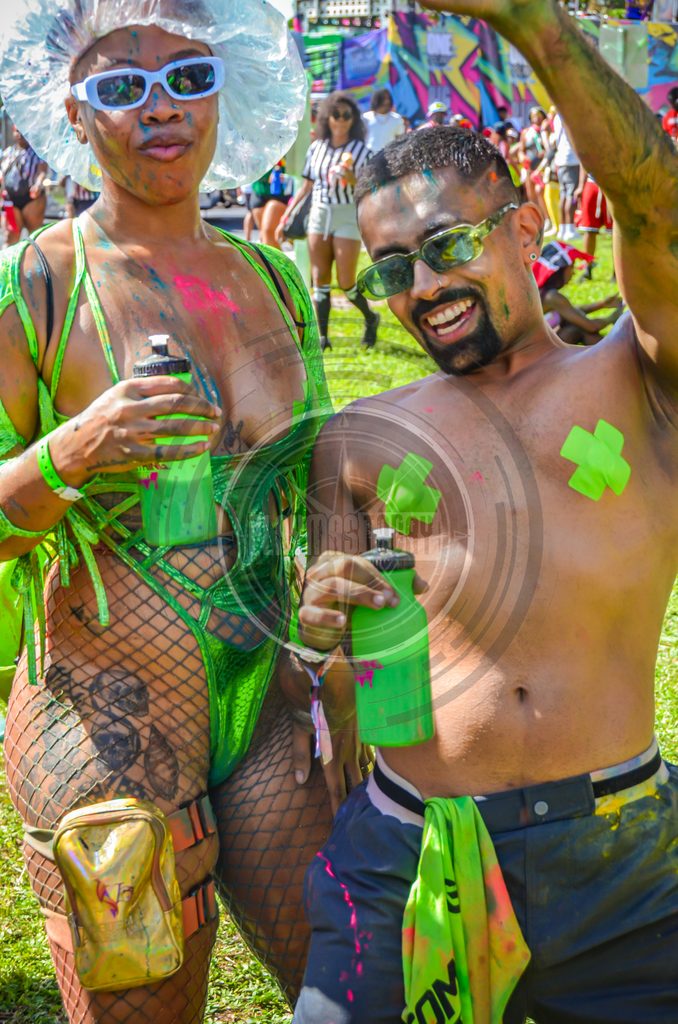
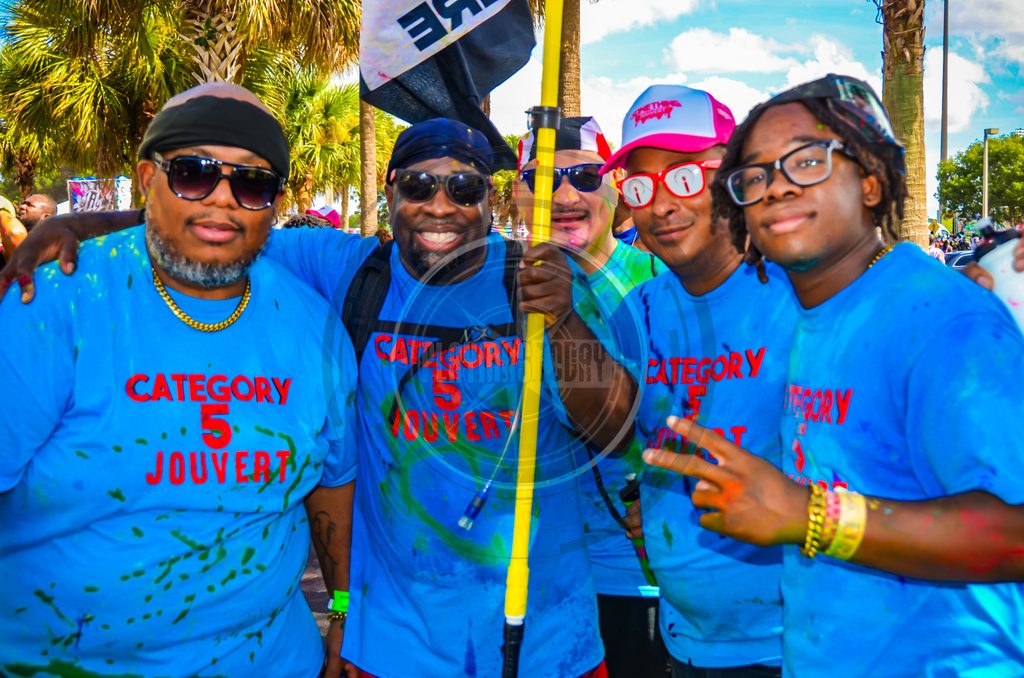
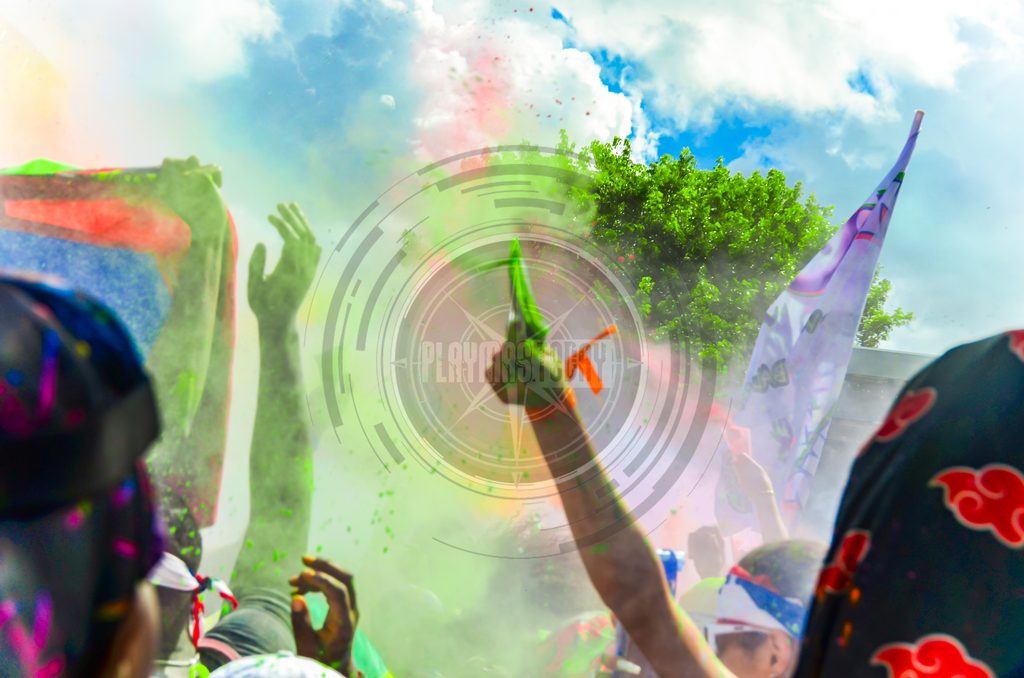
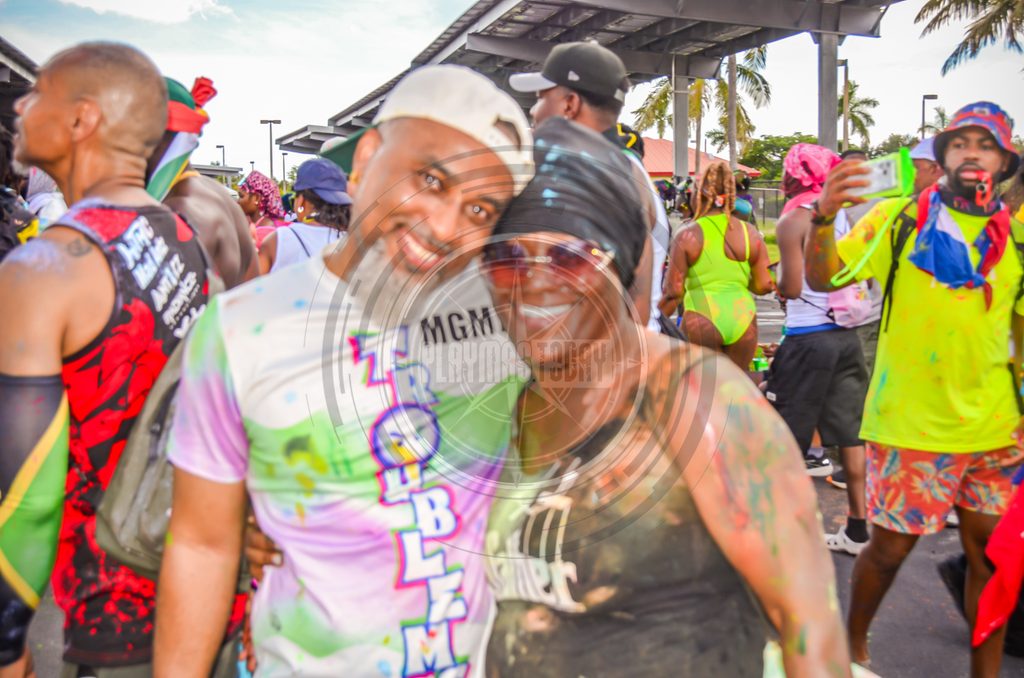
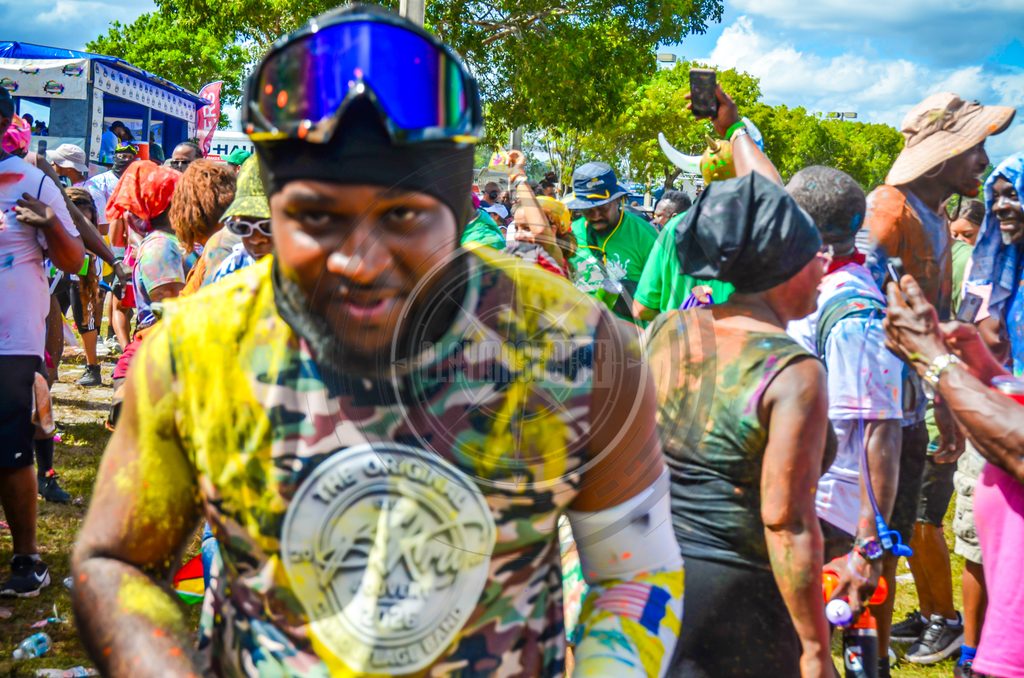
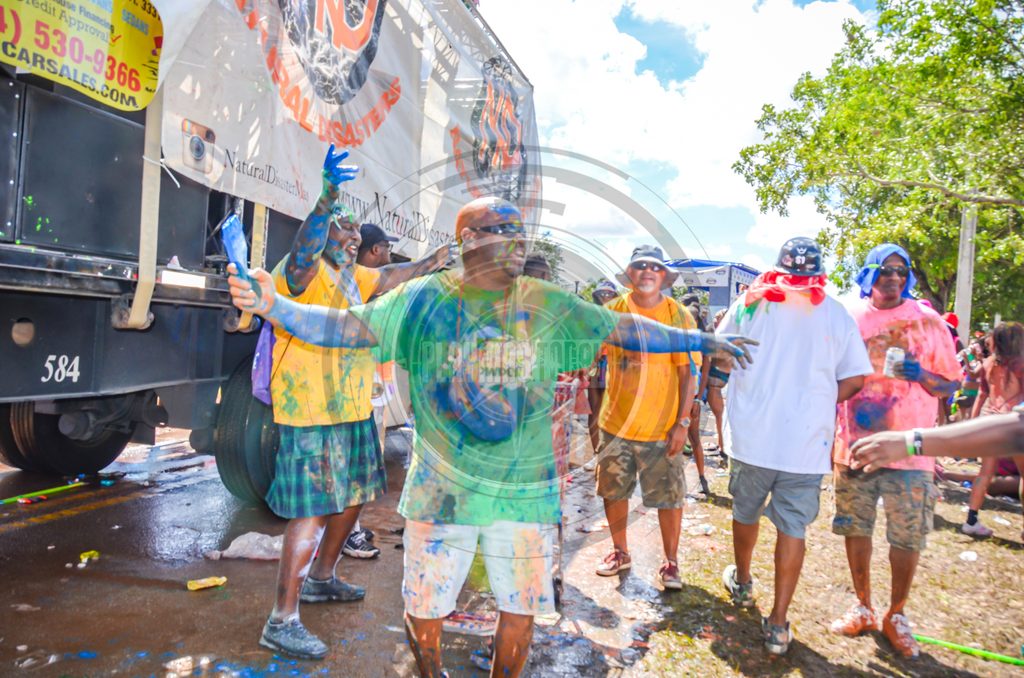
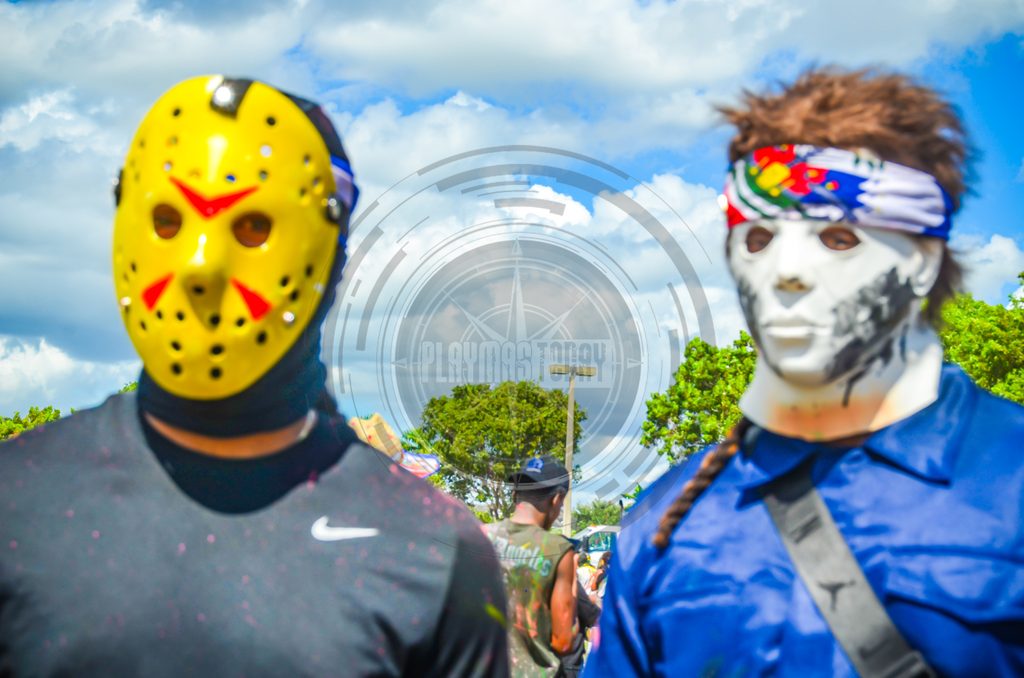
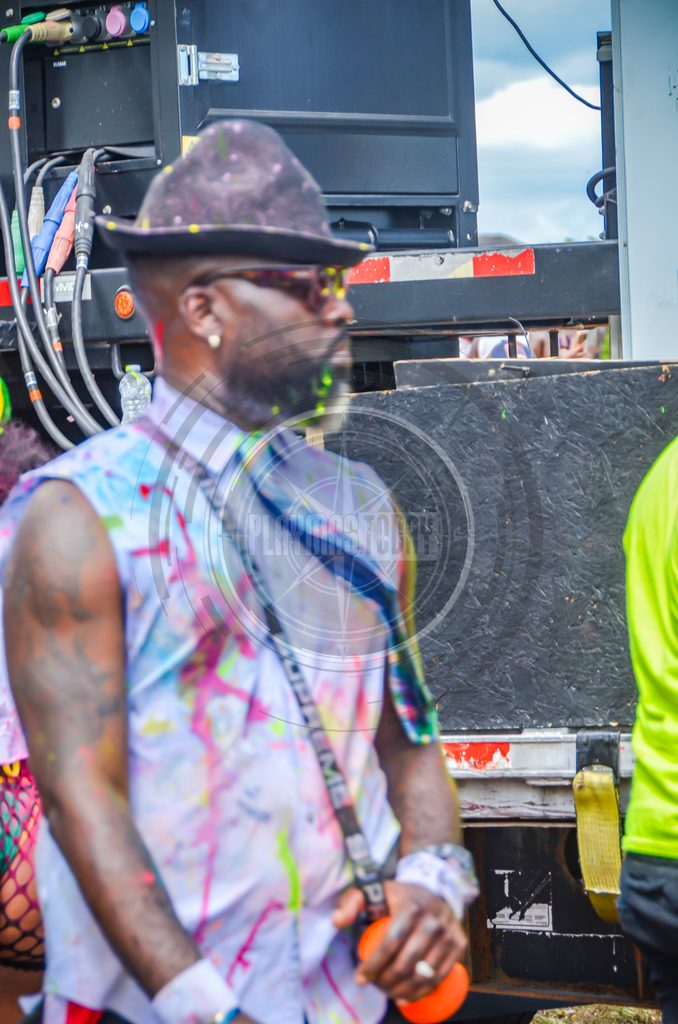
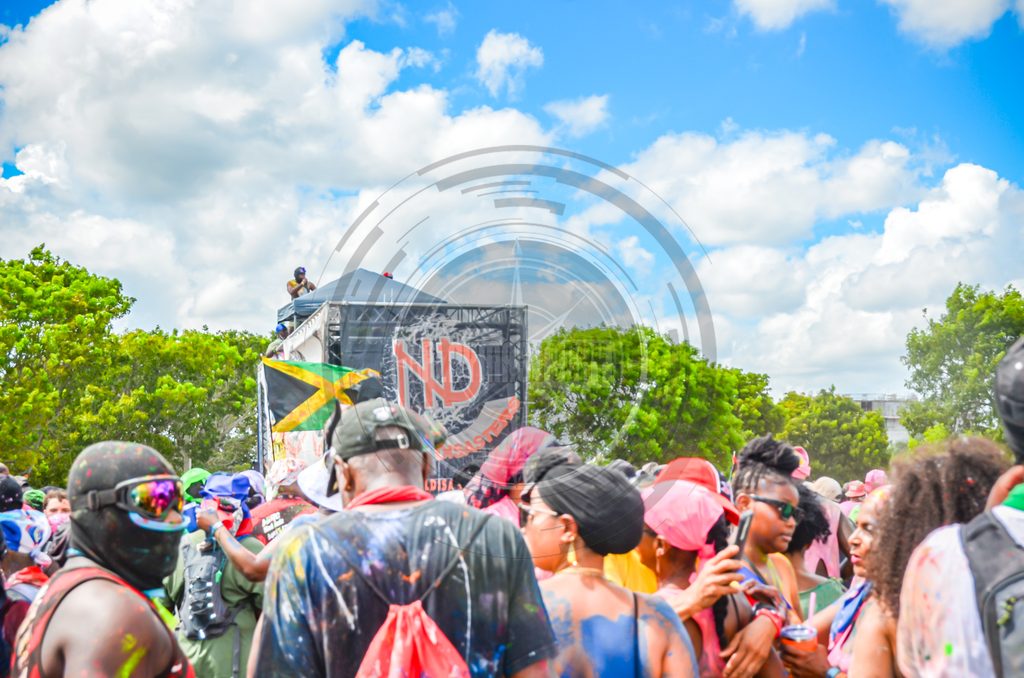
The Caribbean spirit has never been dictated by an iron gate or an administrative delay. Masqueraders took the tarmac and transformed frustration into pure defiance. Blue paint slapped against truck grills, mud-caked horns pierced the humid air, and plumes of green, pink, and yellow powder erupted toward the sky, temporarily blotting out the midday sun.
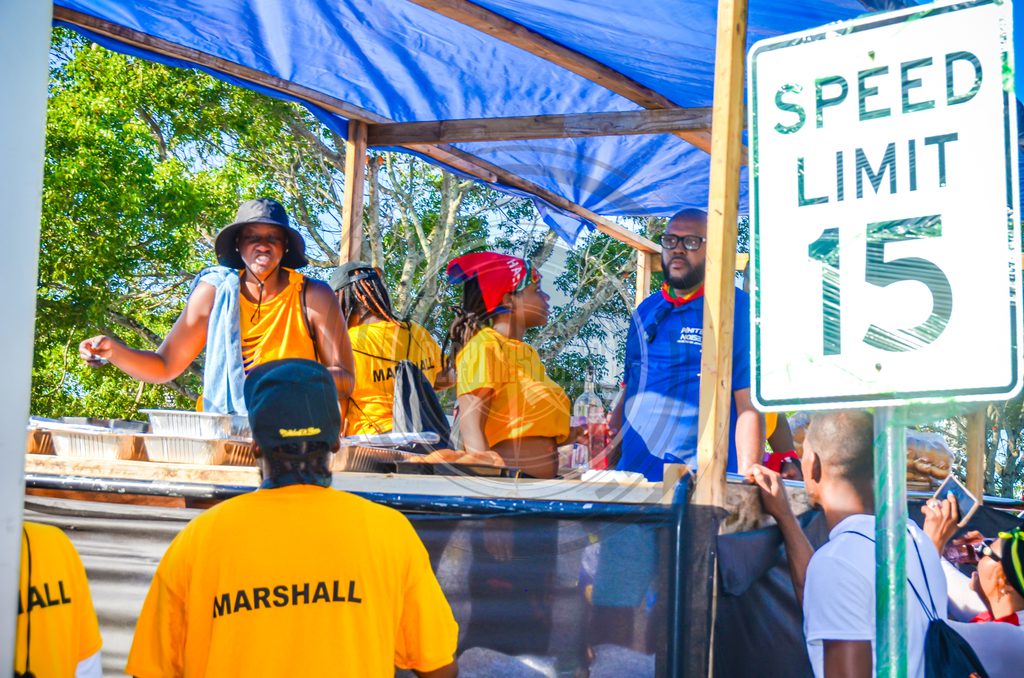
Masqueraders linked arms, shared drinks from insulated mugs, and chipped behind the massive rigs, pulling rhythm out of the concrete. The organizers may have stolen the dawn, but the people owned the day. From the long, exasperating wait outside the wire to the full-throttle release across the asphalt, Miami J’ouvert survived—not because the machinery worked, but because the collective joy of the culture refused to be broken.
Immediate Verification & Operational Action Steps for Organizers
- Gate Ingress Protocol Audit: Re-evaluate handheld ticket scanning infrastructure and volunteer briefings at the outer perimeter to prevent multi-hour queuing bottlenecks ahead of the 2027 calendar.
- Band Position & Route Run-Time Compensation: Formalize contingency routing rules with the bandleaders’ association so early-position trucks are not penalized or expedited when gate operations suffer unexpected delays.
- Real-Time Masquerader Notification Grid: Establish a direct broadcast channel (SMS or app push) to inform bandleaders, marshals, and patrons immediately if gate times shift, preserving organizational credibility before trust fully erodes.






FAQ
Q: What caused the delay at Miami Carnival J’ouvert 2026?
A: Gates scheduled to open at 7:00 AM remained stalled until approximately 10:00 AM due to perimeter gate bottlenecks, ticketing protocol delays, and a lack of real-time organizer communication.
Q: How did the gate delay impact early truck positions on the route?
A: With the 3:00 PM cutoff remaining fixed, trucks were pushed forward rapidly, significantly shortening the route duration for bands positioned at the front of the lineup.
Q: What is the primary operational concern regarding attendee trust?
A: Ongoing uncommunicated schedule shifts risk training masqueraders to arrive later each year, threatening the traditional morning essence of J’ouvert and eroding brand loyalty.
Q: Did the operational delays diminish attendee celebration on the road?
A: Masqueraders fully embraced the road once inside, demonstrating collective resilience with paint, mud, and powder despite the shortened hours.