The glossy tourism brochures sell an uninterrupted vision of paradise: calm turquoise water, white sand, and effortless luxury. But step outside the perimeter of the mega-resorts—where multi-megawatt backup industrial generators hum quietly behind concrete walls—and the reality of everyday life in Nassau tells an entirely different story.
I recently traveled to Nassau for a funeral. I expected grief and the emotional weight of laying someone to rest. What I did not expect was to be immediately plunged into the anxieties of third-world electrical insecurity within minutes of unpacking.
The Reality of “Paradise”
The welcome instructions weren’t about beach recommendations or where to find fresh conch salad. Instead, they were urgent survival directives:
- “Plug in your phone and portable battery packs right now in case the power drops.”
- “Put your travel ice packs in the freezer immediately.”
- “You’ll need to rotate the ice packs in your travel case because the refrigerator doesn’t stay cold enough with the rolling outages.”
I stood there holding $150 worth of insulin purchased specifically for a four-night stay, watching my host’s face. What struck me wasn’t just my own rising frustration—it was the profound shame and helplessness in the eyes of the person delivering the warning. It was capped by an apologetic, hollow wish: “Hopefully, there won’t be any outages during your stay.”
It wasn’t an isolated concern. In the middle of the night, the current vanished.
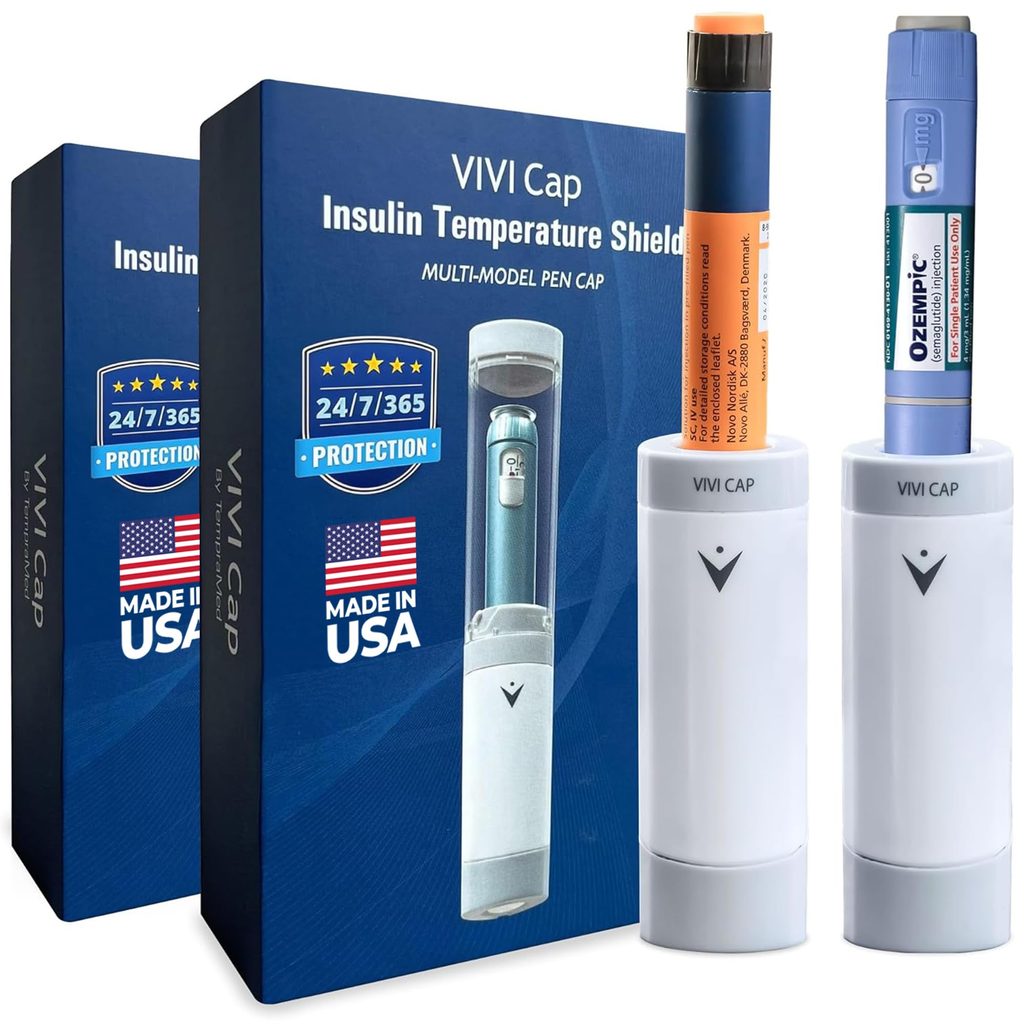
Lying in the heavy, suffocating tropical heat in total darkness, panic sets in immediately. For anyone managing a chronic illness, a power outage isn’t a romantic evening by candlelight or an unplugged digital detox. It is a ticking clock on life-preserving medication. If insulin warms, it degrades. If you require a medical refrigeration loop, meal preparation for a strict dietary condition, or powered equipment to breathe, the failure of a power grid is an immediate medical crisis.
The Normalization of Mediocrity
When utilities fail systematically, the most dangerous byproduct isn’t just the inconvenience; it is the psychological conditioning that follows.
Bahamians have been forced into an exhausting routine of hypervigilance. You learn to race home to beat an unannounced blackout. You throw away spoiled meat from a warm freezer. Then, at the end of the month, you open a utility bill that is inexplicably higher despite weeks of load shedding, blackouts, and lower actual consumption. The official explanations cite high ambient heat, aging infrastructure, and fuel charges, but the bitter paradox remains: citizens are effectively paying premium prices for darkness and degradation.
The Tribune+ 1
Worse, a generation of young people is growing up believing this is normal. When children watch parents scramble for flashlights, when their studies are cut short by a blown transformer, and when sweating through the night is treated as inevitable, expectations shatter. They learn to expect failure from public institutions.
Electricity is not a luxury amenity. It is not an “add-on” feature like an ocean-view balcony or an infinity pool. In the modern world, consistent electricity is the fundamental baseline of human dignity, sanitation, and safety. Accepting anything less is learned helplessness.
A Vital Warning for Travelers
For visitors, diaspora members returning home, and tourists booking alternative accommodations across Nassau: the vacation rental landscape requires critical due diligence.
If you are staying at an Airbnb or independent guesthouse rather than a resort with an automated backup microgrid, you cannot assume the lights will stay on:
- Inquire Directly About Automatic Backup Power: Do not assume “air conditioning” or “refrigerator” in the listing means continuous utility. Send a direct message to the host: Does the property have a dedicated, automatic-start generator or solar-battery system that powers the refrigerator and outlets during island-wide load shedding?
- Plan for Cold-Chain Failure: If you travel with insulin, biologic injections, or perishable medical supplies, carry insulated thermos-grade medical flasks and keep verified freeze packs ready. Never rely exclusively on a residential rental refrigerator.
- Specialized Diets Need Contingencies: If you manage strict medical or dietary requirements that depend on home-cooked meals, recognize that electric stoves, microwaves, and cold storage may become inaccessible without warning.
The Bahamas is a nation of proud, resilient people, but resilience should never be an excuse for institutional neglect. Until the baseline infrastructure matches the beauty of the islands, travelers must pack with caution, and Bahamians have every right to demand that their standard of living no longer be left in the dark.

FAQ
Q: Do Airbnbs in Nassau always have continuous power? A: No. Many residential rentals rely entirely on the local power grid, which is prone to rolling outages and load shedding. Unless a host explicitly confirms an automatic standby generator or battery backup system, you may experience unexpected blackouts.
Q: How should travelers protect refrigerated medication like insulin in Nassau? A: Pack a dedicated, vacuum-insulated medical travel case with reusable ice packs. Do not depend solely on rental refrigerators, as repeated power loss can compromise cooling cycles and spoil temperature-sensitive medications.
Q: What questions should I ask an Airbnb host in Nassau before booking? A: Ask if the property features an automatic-start backup generator or solar battery backup, what appliances stay powered during an outage (such as the refrigerator, outlets, and air conditioning), and what contingencies are provided in case of utility disruption.