
Discover Music Channel // File: ITFvol2_11jonny_africa_#beingafricaallah
Subject: Jonny Cake on Rap Roots, Rake & Scrape, and the Business of Bahamian Music
EPISODE ABSTRACT
Why Johnny Cake Says Rake and Scrape Works: The Business, the Branding, and the Global Sound of Bahamian Music
When Africa Allah sat down with Jonny Cake Dread on Inside the Festival Talk, the conversation quickly moved beyond nostalgia and into strategy. Yes, Jonny Cake came up in the trenches of Bahamian hip hop. But the bigger story is how he found a lane in rake and scrape, built a radio career, and learned how to turn local culture into a brand with global reach.If you’re an artist, DJ, promoter, or music fan trying to understand how Bahamian music moves today, this conversation gives you a clear answer: talent matters, but preparation, presentation, and persistence matter just as much. In this post, we’ll break down Jonny Cake’s journey from rap to rake and scrape, what he learned from radio, and why branding and business knowledge are now part of survival in the music industry.
From Bahamian Hip Hop to Rake and Scrape
Jonny Cake did not start out as a rake and scrape artist. In fact, he came up in a local rap scene that had real energy behind it. According to him, the Bahamian hip hop landscape was strong when he was developing, with artists like Tro Capone, Drew, and Emo’s making noise and local radio supporting Bahamian rap. But his early sound was different from what many people know him for now. He said his first break came from a parody song, and at the time his music leaned more toward club records and party energy. That detail matters because it shows that his evolution was not random. He did not wake up one day and simply “become” a rake and scrape artist. He adapted to the environment around him.
Why the pivot made senseThe shift happened because the rap lane was hard to sustain. Jonny Cake explained that there were not enough opportunities to perform locally. Artists could release music, but if promoters were not booking shows, the music had nowhere to live. That is a problem many independent artists know well—if you cannot perform, you cannot build momentum. Then COVID slowed everything down, and a producer reached out with a new idea: why not make something rooted in home? That trial became his first rake and scrape song, Get a Rookie, and the response told him everything he needed to know. He described the reaction as immediate and strong. Once people connected with the record, he knew he was not turning back. What this says about artist growth The lesson here is simple: sometimes your next level is not about doing something brand new. Sometimes it is about doing something more aligned with where you are from and what your audience already understands. Jonny Cake’s pivot worked because it solved two problems at once:
- It gave him a sound rooted in Bahamian culture.
- It gave him a lane with more performance opportunities and better commercial upside.
What Rake and Scrape Really Is
For people outside the Bahamas, rake and scrape can be hard to define at first. Jonny Cake broke it down clearly: it is a cultural sound built from the accordion, the Gombe goatskin drum, and the scraping rhythm created with a saw or similar tool. That traditional foundation is what gives the genre its identity.But the sound has evolved over time. He pointed to Ronnie Butler and songs like Burma Roach as key examples of how the music became more danceable and club-ready. Instead of relying only on the saw, the rhythm was translated into drum programming and hi-hat patterns, making the music easier to move to in modern spaces.That evolution is important because it explains why rake and scrape is not some museum piece. It is living music.A dance sound with storytelling built inJonny Cake described rake and scrape as dance music with a strong four-on-the-floor drive, something that makes people want to move. But he also emphasized that the best versions of the genre still carry story, wit, and meaning.That is where his rap background comes back in. Even though he is making rake and scrape now, he still thinks like a rapper. He wants punchlines, clever lines, and lyrics that reward close listening. In his words, he does not want the song to feel “trivial and just so blah.”That mindset makes sense if you want the music to travel. When a genre has groove and substance, it can live locally and internationally.
Why storytelling still mattersAfrica Allah brought up an important point during the interview: storytelling is a huge part of Black music, and Caribbean music is no exception. Jonny Cake agreed. That is one of the reasons his records feel different from other artists in the space.If you have ever heard a Bahamian song and thought the meaning was something entirely different as a child, you already know how layered these records can be. Jonny Cake leaned into that idea by keeping the lyrical craft in the music, even when the sound becomes more dance-oriented.That balance between accessibility and lyricism is part of why his music can resonate beyond the Bahamas. It gives international listeners a feeling, while still giving local listeners the language and cultural references they recognize.
What Radio Taught Him About the Music Business
One of the strongest parts of the conversation was Jonny Cake’s perspective on radio. Before he became a personality, he had already been training himself for the role without realizing it. He used to record himself on a piano with a tape recorder, acting like a radio host over the beat. Later, once he got deeper into the music industry, that early curiosity turned into a real career path.What changed everything was learning the business side.The artist’s mistake: expecting instant playJonny Cake said many artists think they can make a song today and hear it on radio tomorrow. He used to think that way too. But radio taught him that success begins long before a station ever presses play.That means:
- Sending a proper EPK.
- Formatting your music correctly.
- Building buzz in the streets first.
- Understanding how royalties and metadata work.
- Presenting a song as a product, not just a personal expression.
That last point is critical. A song is not just a track—it is a product with packaging, placement, and a target audience.How to get radio to notice youJonny Cake’s advice to artists is practical and direct. Learn music publishing 101. Understand royalties. Learn where your music should live and who it should be pushed to. Make sure the song sounds good sonically. And do not expect radio to rescue a project that has no momentum.He also stressed the importance of breaking a song in your hometown first. In other words, if your own community is not feeling the record, it is going to be a much harder sell elsewhere.The formula he described is straightforward:
- Make the song sound good.
- Promote it consistently.
- Build local traction.
- Keep relationships with DJs and radio personalities strong.
- Don’t abandon a record after one week.
Relationships still matter Jonny Cake also spoke about the importance of networking. Once you build real relationships with DJs and radio personalities, it becomes easier to get heard repeatedly. But the first move has to be done properly. His advice for approaching DJs was especially useful:
- Know the DJ’s name.
- Know their station.
- Don’t interrupt them while they are working.
- Bring music that is properly labeled.
- Have a drop or dub ready for the station if possible.
- Approach them in the right environment, not in the middle of a set.
That is the kind of detail many artists overlook. But in an industry built on relationships, presentation can open doors before the music even plays.
Branding, International Reach, and Protecting Your Work
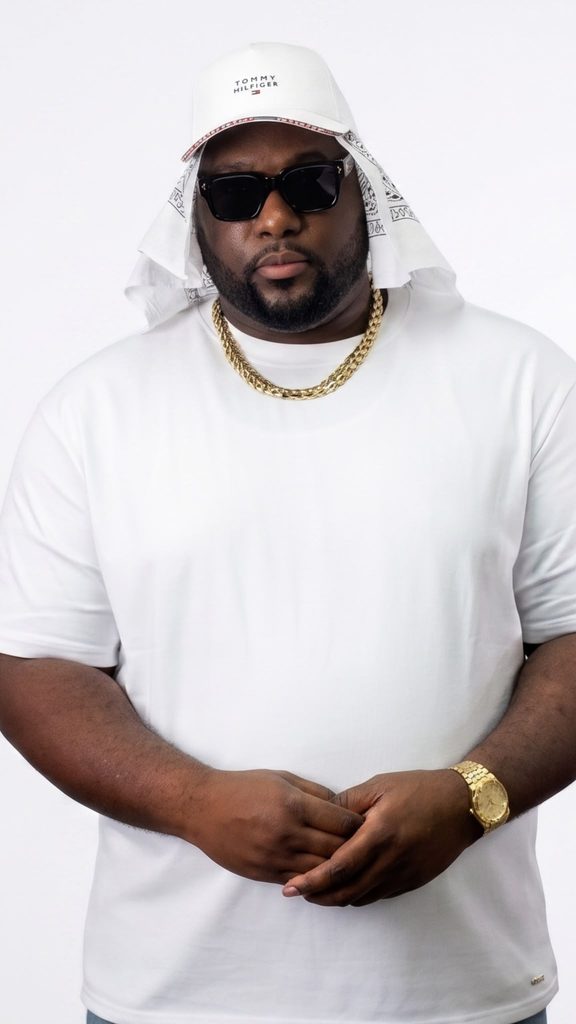
As Jonny Cake’s music started reaching more people—especially expats and international audiences—he had to start treating himself more like a brand. That meant thinking about colors, appearance, consistency, and public image.He said he works with a team now, and that team helps him make decisions about everything from styling to positioning. His bright colors are not random. They signal island identity, personality, and memorability. When people see him, they should recognize the brand before he even says a word.
Why brand identity matters A lot of artists think branding is just a logo or a social media page. Jonny Cake’s approach shows that it is much more than that. Branding is how you move, how you dress, how you communicate, and how you stay consistent across platforms. He also made a strong point about humility. Even if people are treating you like a star, you still have to remember that your audience pays the bills. That mindset keeps him grounded and keeps the brand relatable. What he learned abroad Jonny Cake said the overseas response to Bahamian music surprised him in the best way. He described shows in places like Miramar, Turks and Caicos, Miami, Ghana, Barbados, and the UK where audiences responded strongly to the sound. In his view, international listeners often receive the music with fewer assumptions than local audiences do. They listen for a feeling first. If the rhythm is right and the energy is strong, they connect with it even if they do not fully understand every word. That is a huge opportunity for Bahamian artists. It means the music does not need to be boxed in by geography. If the vibe is right, the world can hear it.
Protecting music and likeness in the AI era The conversation also touched on AI, licensing, and protecting your identity. Jonny Cake was clear: copyright and trademark your work. Read your contracts. Do not rely on “poor man’s copyright.” And do not give up your image and likeness without understanding the terms. He was especially frustrated by AI-generated flyers that use an artist’s face or likeness without consent. His take was blunt—if the promoter did not check with the artist before using the image, that is a problem.This is where professionalism matters. If you are paying for a promo campaign, you should not cut corners so badly that the artwork looks generic, inaccurate, or disrespectful. In his view, and in mine, the era of sloppy AI flyers should not be allowed to replace real creative work.
What Every Artist Can Learn From Jonny Cake
Jonny Cake’s biggest message is not about fame. It is about discipline.He said that if he could go back to his younger self, he would tell him one thing: nobody really cares. That sounds harsh at first, but it is actually a necessary truth for artists. No one is obligated to help you. No one is required to play your song. No one is going to build your career for you.You have to:
- Learn the business.
- Build the brand.
- Make good music.
- Promote consistently.
- Respect the people who open doors.
- Keep your ego in check.
That advice applies whether you are a rapper, a rake and scrape artist, a DJ, or a promoter.
Three Songs That Define Johnny Cake
If you want to understand Jonny Cake quickly, he said these are the three songs to start with:
- Big Daddy
- Nassau
- Get a Rookie
Those tracks reflect different pieces of who he is—his storytelling, his roots, and his cultural identity. Together, they give you a clear picture of why his music resonates both at home and abroad
Frequently Asked Questions
What is rake and scrape music? Rake and scrape is a Bahamian genre built around traditional instruments like the accordion, goatskin drum, and scraping rhythm. Over time, it has evolved into a more danceable, club-friendly sound while keeping its cultural roots.
Why did Jonny Cake switch from rap to rake and scrape? He said the shift happened because rap opportunities were limited, while rake and scrape offered more performance opportunities and a stronger connection to local culture. A producer also encouraged him to try a rhythm that felt more rooted in home.
How can artists get their music on radio in the Bahamas? According to Jonny Cake, artists should learn publishing, send proper EPKs, build local buzz first, and make sure their music is sonically ready. Relationships with DJs and radio personalities also matter a lot.
Does Bahamian music work internationally? Yes. Jonny Cake says the sound is already connecting in places like Ghana, the UK, Barbados, Turks and Caicos, and Miami. He believes international listeners respond strongly because they are open to the feeling and energy of the music.
How should artists protect themselves from AI misuse?He recommends copyrighting and trademarking work, reading contracts carefully, and making sure no one uses your likeness without permission. He also believes artists should push back on AI-generated promo materials that do not represent them properly.
Jonny Cake’s story shows that building a lasting music career takes more than talent—it takes cultural awareness, business knowledge, and a brand people can recognize and trust.
Johnny Cake on Rake and Scrape, Radio, Branding, and the Business of Bahamian Music
Africa Allah sits down with Johnny Cake Dread from Nassau, Bahamas, to trace his journey from Bahamian hip hop and parody songs into rake and scrape and gombe—and to break down how the business side of music shapes what actually gets heard. They also discuss radio, branding, DJ relationships, royalties, international traction, and why the Bahamas needs stronger industry infrastructure.
In this episode
- Johnny Cake explains how he first got noticed through parody music and how the local Bahamian rap scene was supported by radio stations and artists like Tro Capone, Drew, and Emo’s.
- He breaks down gombe and rake and scrape as cultural sounds built on accordion, goatskin drum, and scraping rhythms, and explains how artists like Ronnie Butler helped make the style more danceable.
- He shares why he pivoted from rap to rake and scrape after COVID, limited local performance opportunities, and a producer’s challenge that led to his first song in the new lane, “Get a Rookie.”
- He says his rap background still shapes his writing, especially through lyricism, punchlines, and storytelling that make his songs feel less generic and more universal.
- He walks through how radio works in the Bahamas, stressing that promotion comes before airplay and that artists need proper EPKs, formatting, metadata, and street-level buzz first.
- He advises artists to learn music publishing, royalties, and the business side before chasing radio, and to treat every song as a product that needs the right packaging and promotion.
- He talks about balancing his roles as a radio personality and an active artist, including staying objective on air while helping younger artists understand the industry.
- He says the real turning point for rake and scrape was the booking response: paid shows and festival invitations made the genre feel more sustainable than rap.
- He reflects on branding and color theory, saying his team helps him use bright island colors and a consistent visual identity so people recognize the Johnny Cake brand.
- He opens up about the emotional toll of losses in the Bahamian entertainment community and the need to make space for grief.
- He compares streaming with physical sales and says he values CDs, merchandise, and show money for the direct income and tangible connection with fans.
- He gives practical advice for approaching DJs, from knowing their names and stations to bringing pre-made dubs, drops, and properly prepared music.
- He explains how publishing and sync opportunities are handled through management, and why copyright, trademarks, and reading contracts matter in the AI era.
- He says international audiences respond to Bahamian music’s feeling and energy, even when they don’t understand every lyric.
- He shares his long-term goal of helping build a stronger Bahamian music industry through more publishers, entertainment lawyers, labels, and artist education.
- He argues that social media lives should be intentional and treated like a show, rather than becoming constant oversharing.
- He names the three songs that best represent him: “Big Daddy,” “Nassau,” and “Get a Rookie.”
Timestamps
00:00 – Welcome to the show and Johnny Cake’s Bahamian roots
01:46 – Why he now identifies as a rake and scrape artist
02:30 – Defining gombe and rake and scrape for a global audience
03:38 – Why he pivoted from rap to rake and scrape
05:12 – How rap shaped his storytelling style
07:54 – From artist seeking airplay to radio personality
10:13 – What gets a song on radio in the Bahamas
11:37 – Publishing, royalties, and preparing a song for radio
13:53 – Balancing radio objectivity with being an active artist
18:12 – Why booking demand was the real turning point
20:58 – Treating himself like a brand
22:35 – Color theory, visual identity, and team support
24:07 – Grieving public losses while continuing to perform
28:41 – Streaming versus CDs, merchandise, and show income
32:50 – How to approach DJs
35:12 – Publishing, sync, and protecting intellectual property
36:07 – Overseas audiences and why Bahamian music travels
37:40 – Building a stronger Bahamian music industry
38:54 – Why artist development still matters
40:05 – Copyright, trademarks, and the AI likeness issue
46:06 – Keeping social media lives intentional
49:17 – The industry truth he wishes he knew earlier
51:02 – Why rake and scrape can work internationally
55:28 – The three songs that define Johnny Cake
56:16 – How to find and book Johnny Cake Dread