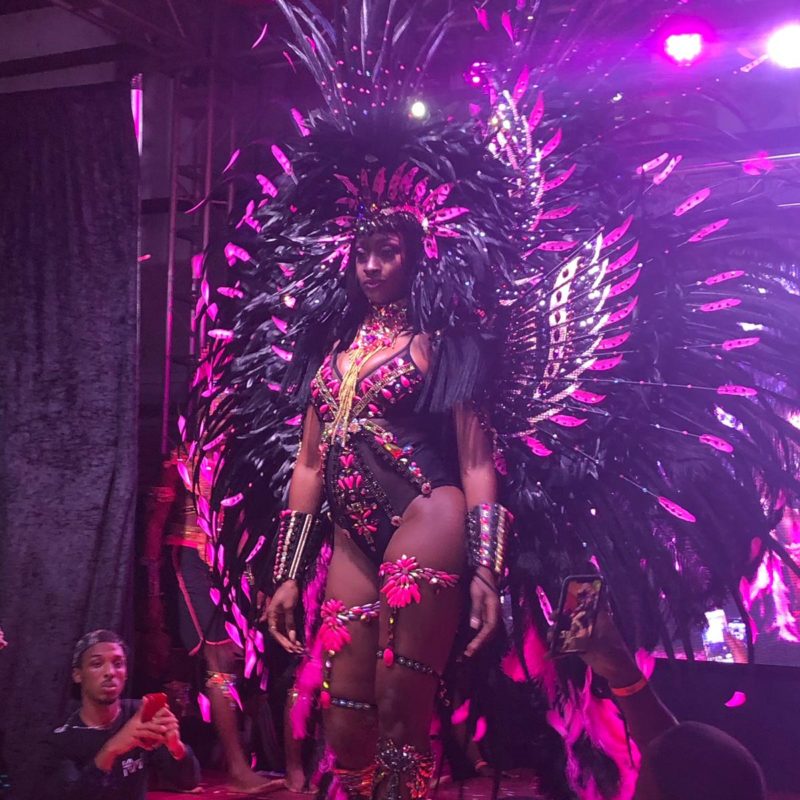
There is a moment in every cultural movement when the architecture begins to buckle under the weight of cheap shortcuts. After almost two decades of documenting Caribbean cultural festivals through both the pen and the lens, I find myself standing at the edge of the road, looking at the modern landscape, and asking a very plain question:
Where did the euphoria go? Where did the storytelling go? Where did the culture go?
Human decency and narrative depth have been systematically replaced with overt, transactional titillation. There was once an intentional build—a sacred tension between anticipation, ritual, ancestral catharsis, and celebration. Now, the modern feed leads with an ass or zooms straight into daggering backshots. No arc. No context. Just raw skin served cold to feed an insatiable, mindless algorithm.
It is a short-sighted money grab selling sex in place of heritage, and in doing so, cheapening the brand, the product, and the sovereign integrity of our people.
The Algorithmic Surrender: When Gatekeepers Fold
There was a time when creative directors actually directed. They audited incoming footage, challenged photographers, and protected the brand bible. Every visual asset was stress-tested against a non-negotiable metric: Does this advance the story?
Today, creative direction has folded under the panic of relevance. Desperate to keep vanity metrics buoyant on platforms like Instagram and YouTube, event brands and media houses accept every co-sign, repost every raunchy reel, and amplify assets that actively contradict their brand identity. The goal is no longer cultural preservation or sustained brand equity; the goal is simply having a post up that does numbers.
The institutional hypocrisy is staggering. Tastefully produced, deeply researched cultural retrospectives get flagged, shadow-throttled, or slapped with ad restrictions on major ad networks. Yet accounts peddling algorithmic soft-core—amplifying unmoderated, hyper-sexualized bait—glide through platform filters unpenalized. The system rewards the dilution of our legacy while penalizing its defense.
The Enterprise Contrast: What Fortune 100 Knows (And Event Brands Ignore)
Look at how the world’s most calculated multinational conglomerates operate. Fortune 100 companies long ago retired the crude dogma that “sex sells.” They realized decades ago that unearned, overt titillation is a corporate liability that alienates audiences and triggers platform penalties.
When elite global enterprises touch sexuality, it is completely restructured through frameworks of identity, wellness, inclusion, and healthcare. When they deploy emotional branding—which drives nearly 70% of consumer purchasing decisions—they anchor it in acknowledged vulnerability, human struggle, and milestone storytelling (think Dove or Nike), backed by systemic consistency and strict corporate governance.
More critically, consider how institutional brands handle User-Generated Content (UGC):
- Closed, Controlled Pipelines: Nothing touches their owned platforms without passing automated computer vision, text stoplists, and human-in-the-loop (HITL) trust and safety moderation.
- Selective Amplification: When running public social campaigns, brands like Apple or Starbucks never mistake an unvetted public hashtag for their official voice. They do not blindly repost whatever tags them. They scrape, audit, legally clear, and amplify only the content that aligns with their core brand standards.
Meanwhile, major Caribbean cultural institutions and media entities act as if they are powerless against the current. Rather than implementing standards, community guidelines, or content governance, festival platforms willingly surrender their digital front doors to unmoderated vulgarity. Instead of curating culture, they syndicate cheap views.
The Media Collapse: Hallucinated Reporting and Missing Decency Clauses
This failure does not stop at the brand level; it has corrupted the press pool.
Over the past 12 months, watching various carnival media and journalist groups operate in real time reveals a glaring void: most self-proclaimed cultural journalists have no creative directors, no editorial standards, and zero decency clauses governing the assets they distribute. The migration of journalism away from dedicated, sovereign websites toward algorithm-driven social feeds has traded journalistic ethics for algorithmic clout.
Consider the documentation surrounding the 2026 Miami Carnival. When operational logistics shifted the events into Central Broward Regional Park, the institutional reality remained unambiguous: it is, and remains, Miami Carnival. The official boards put forth documentation, history, and brand naming. Yet, influencers, content creators, and credentialed journalists across the media room treated official releases as mere suggestions. In their posts, tags, and coverage, they hallucinated facts, rebranding it to the general public as “Broward Carnival.”
When journalists hallucinate basic brand geography for views, they dilute the historical record.
No one is asking anyone to police private revelry or censor individual expression on a personal page. What an individual masquerader wears, how they dance, and how they express their liberation is their own sovereign right. Enjoy yourself! But when official media passes are issued, journalists bear the fiduciary duty to uphold core values, respect the narrative, and reiterate institutional truth. Personal revelry is one thing; institutional negligence masquerading as journalism is another.
The Four-Decade Standard: Who Has the Spine to Protect the Story?
I made a personal promise to protect and tell the story of us through the pen and the lens. That promise becomes urgent when you look at the giants who paved the path.
In 2027, a dear friend of mine will mark four full decades of Carnival production. She began at 13 years old, traveling across the globe, laying down the infrastructure, carrying the weight, and spreading this culture across borders when there were no algorithms to reward her.
As a woman in cultural production, the pervasive hyper-sexuality makes it ten times harder to be heard, seen, and respected for the architectural labor required to build a festival. When the conversation is reduced to body paint, ass cheeks, and backshots on promo flyers, the decades of logistical mastery, community organizing, and artistic design are completely erased from public consciousness.
The old guard is fading. With every veteran producer, wire-bender, and cultural architect who steps away, a library burns.
The question facing the modern Caribbean creative ecosystem is simple: Who amongst us has the balls to stand up for the culture and not fall into the vanity trap?
It is easy to point a camera at skin and harvest 100,000 views. It takes vision, discipline, and strategic courage to build an enduring brand that commands institutional respect, attracts corporate capital, and honors the bloodline of the festival.
Revel in your freedom. Celebrate your joy. But respect the story—before there is no story left to tell.
FAQ
Q: Why is hyper-sexuality in event marketing problematic for Caribbean cultural festivals?
A: Hyper-sexuality replaces deep narrative, ritual, and genuine cultural euphoria with short-term vanity metrics. Relying on skin-first imagery cheapens festival brands, invites platform ad penalties, and overshadows decades of logistical artistry and heritage.
Q: How do Fortune 100 brands approach sexuality and user-generated content differently than festival promoters?
A: Fortune 100 enterprises abandon overt titillation for structured identity, inclusion, and wellness frameworks. They protect their brand equity through selective amplification, closed pre-moderation, and multi-tier filters rather than reposting unvetted public feeds.
Q: What journalistic issues arose during the 2026 Miami Carnival coverage?
A: Despite official board releases stating that the festival remains Miami Carnival even while utilizing Central Broward Regional Park, multiple journalists and influencers hallucinated details by calling it “Broward Carnival,” misinforming the public and diluting the official record.
Q: What is the primary difference between individual reveler expression and brand governance?
A: Individual revelers have the sovereign freedom to dress, celebrate, and express joy however they choose. Brand stewards and credentialed media, however, have an editorial obligation to uphold decency standards, preserve context, and respect the core cultural story.