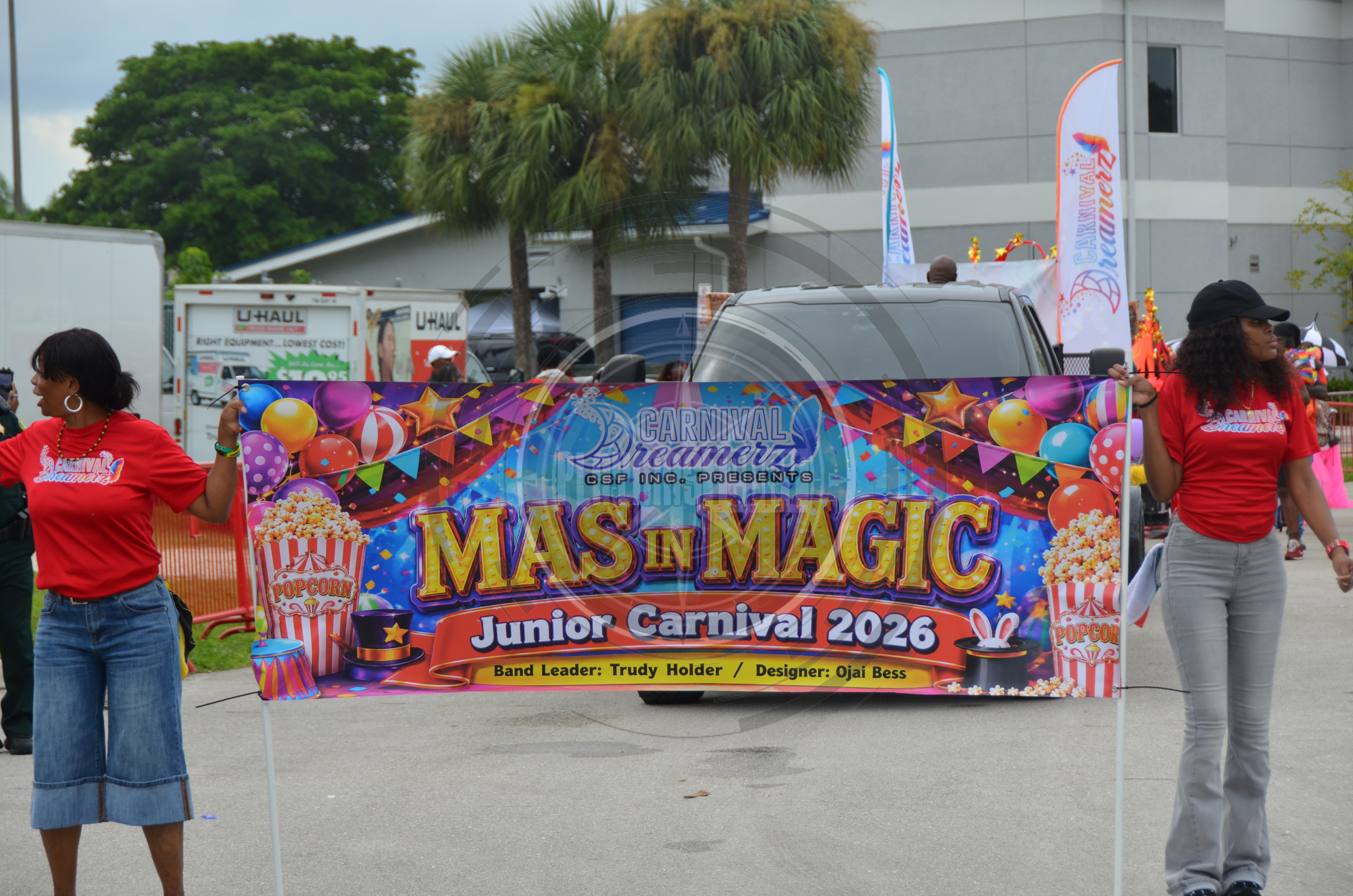
The street belongs to the kids first, long before the night takes over with heavy bass, rum, and adult celebration.Out here under the blinding South Florida sky, Junior Carnival is not just a prelude or an opening act. It is where memory lives. It is where a people, scattered across borders and boroughs, make sure their children never forget where they come from.
Carnival itself was born out of fire and iron—an ancestral defiance against colonial masters, a ritual of emancipation where African drumbeats and masquerade claimed back humanity on Caribbean soil. When our families packed their grips and migrated north during the mid-to-late 20th century, they didn’t leave that spirit behind. They brought mas to the cold streets of Harlem in the 1920s, down through Crown Heights along Eastern Parkway in the 1960s, and straight down the coast into Miami and Hollywood. But moving across waters always brings a quiet ache: how do you pass down a rhythm to a child born thousands of miles away from the drum?
Junior Carnival became the bridge.
This year marked my third time documenting Miami Carnival’s Junior Parade, and every single time, the truth hits deeper. As someone who grew up in the United States, my entire youth was a dance between two worlds—Black American street life on one side, Caribbean bloodline on the other.
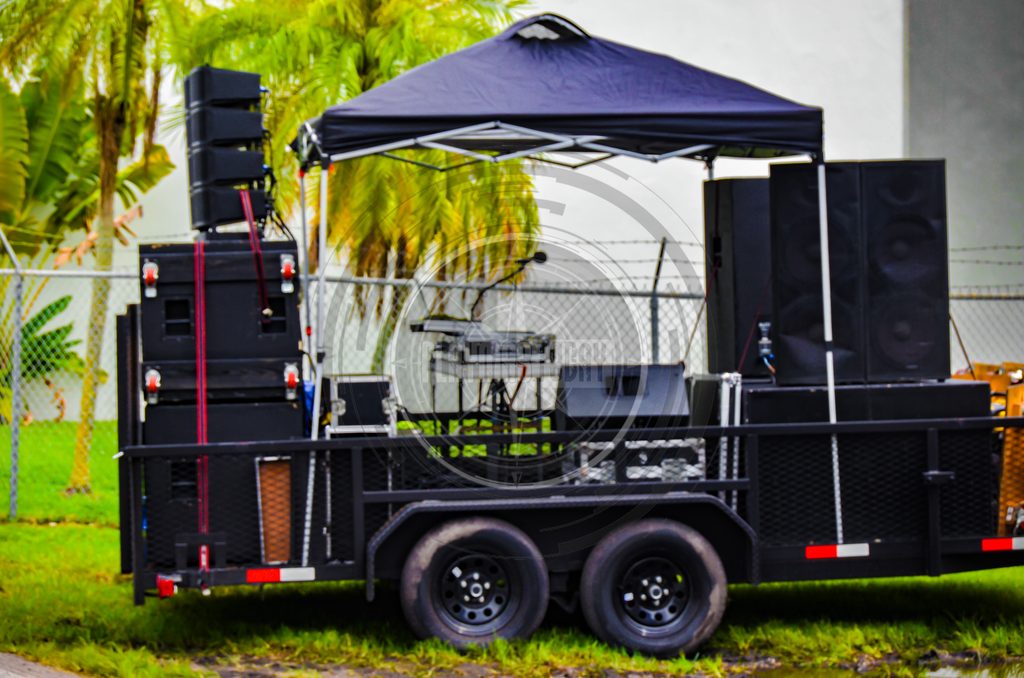
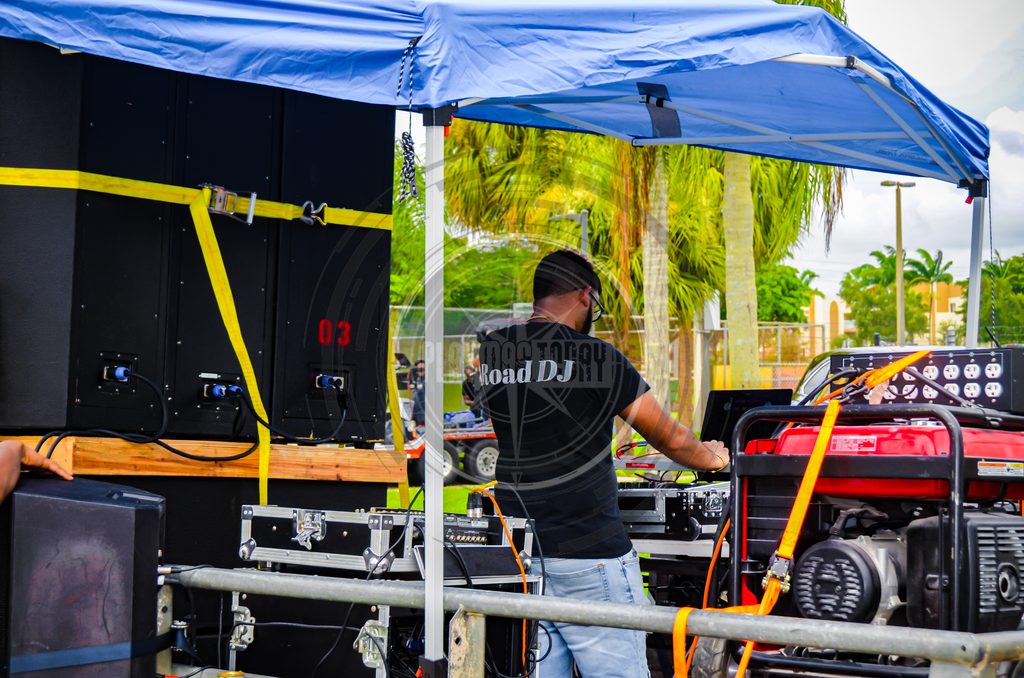
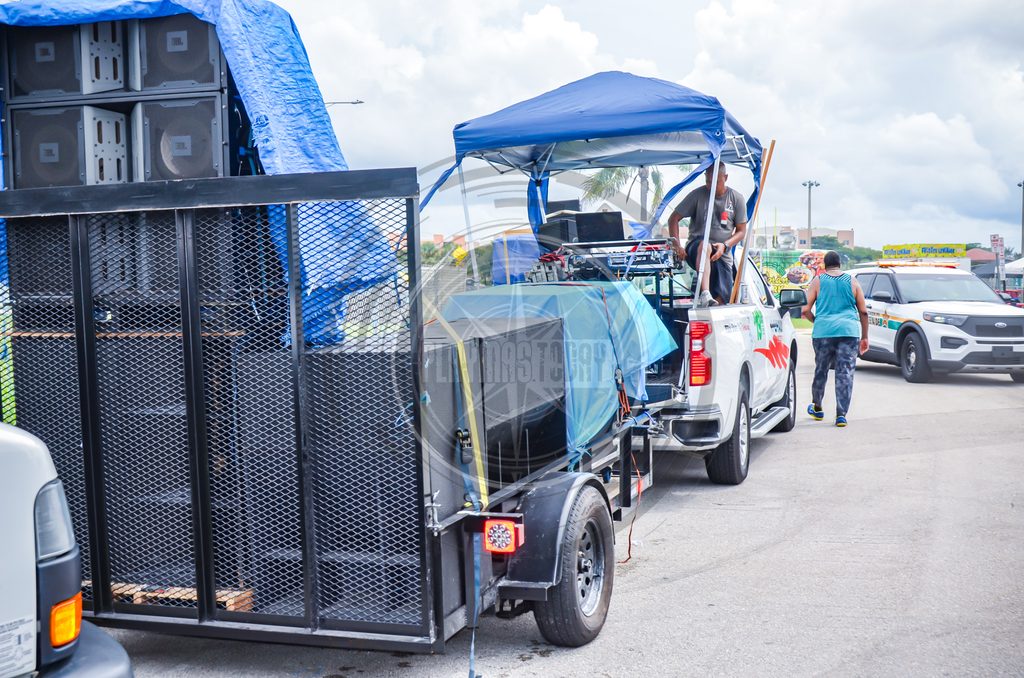
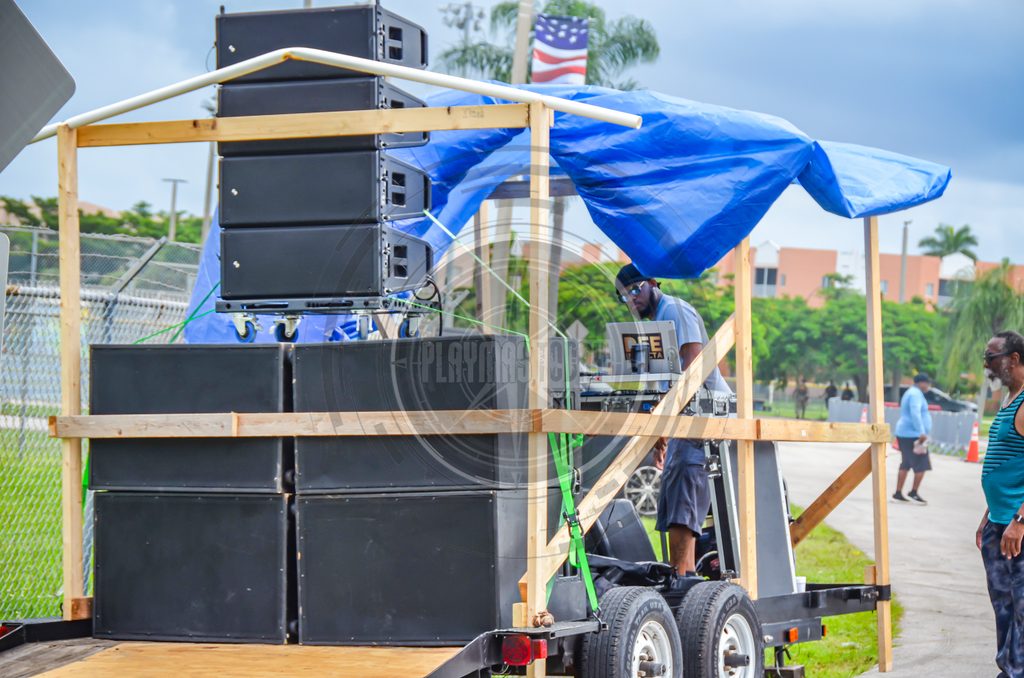
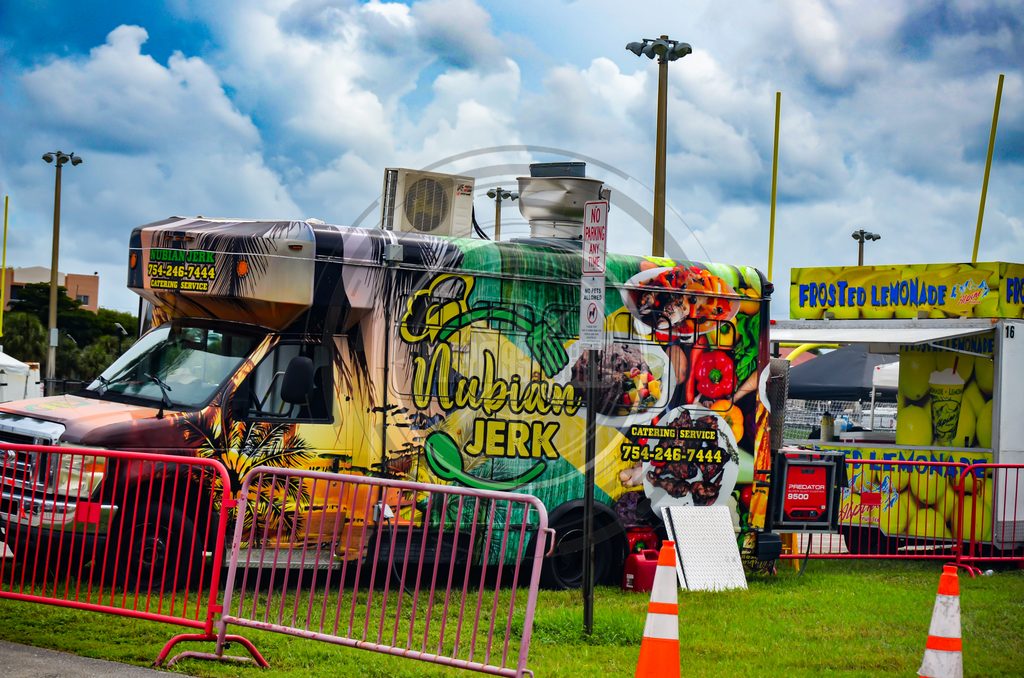
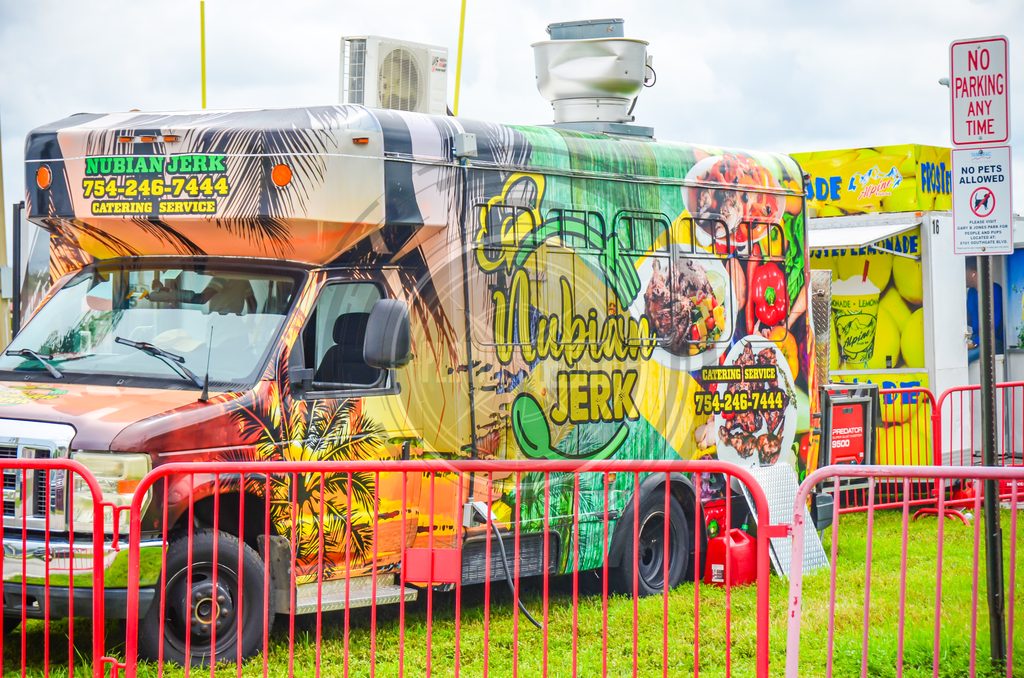
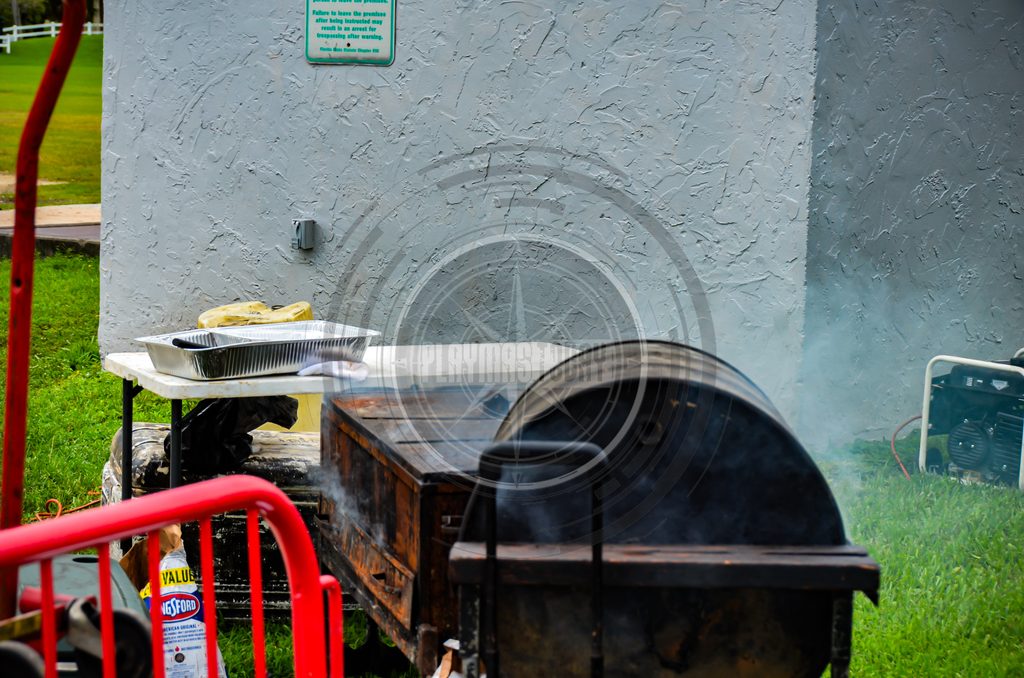
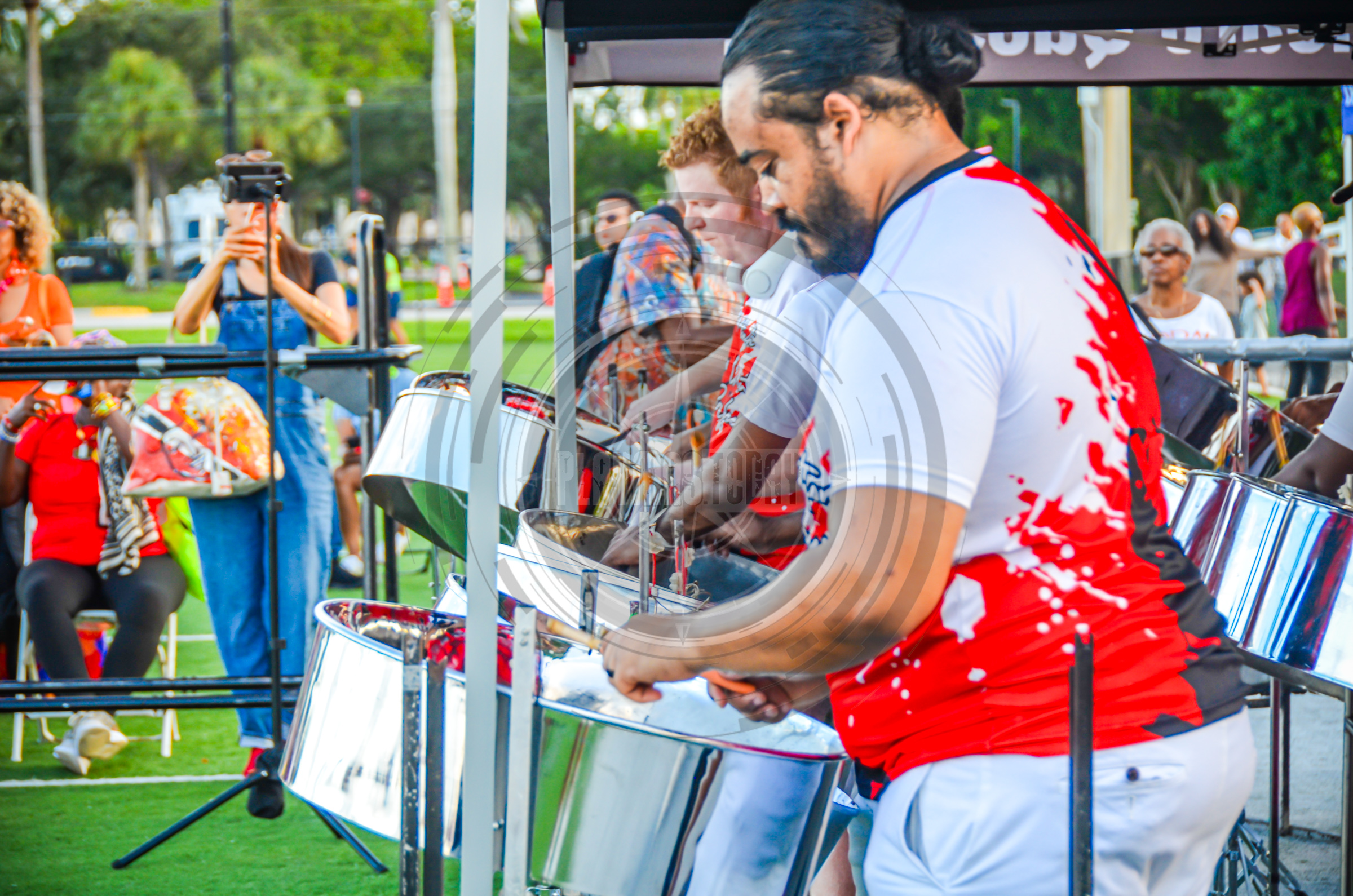
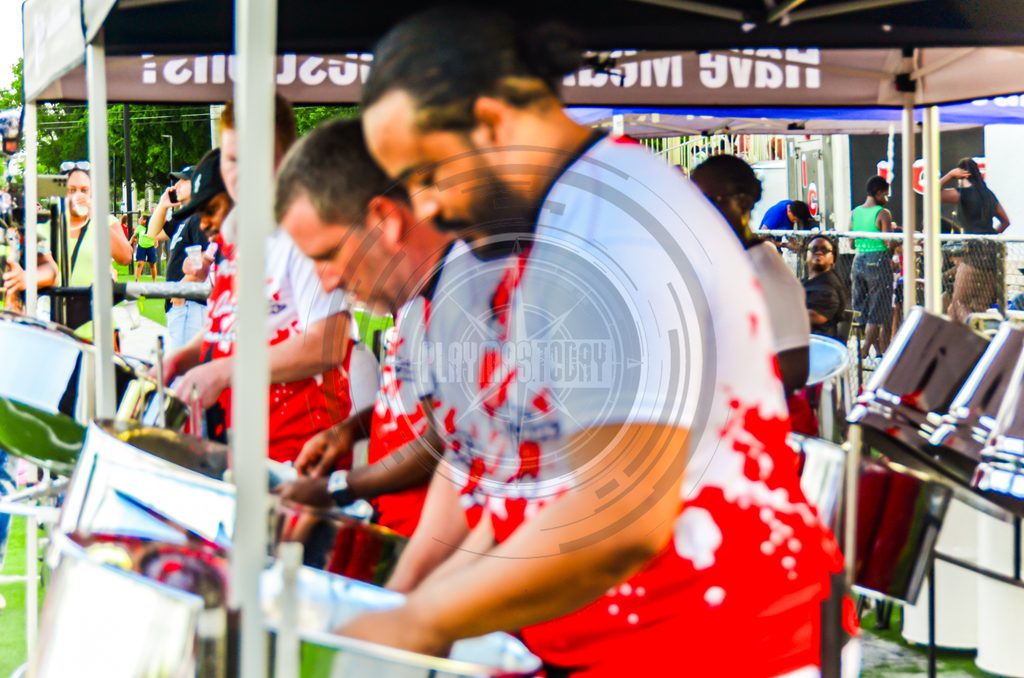
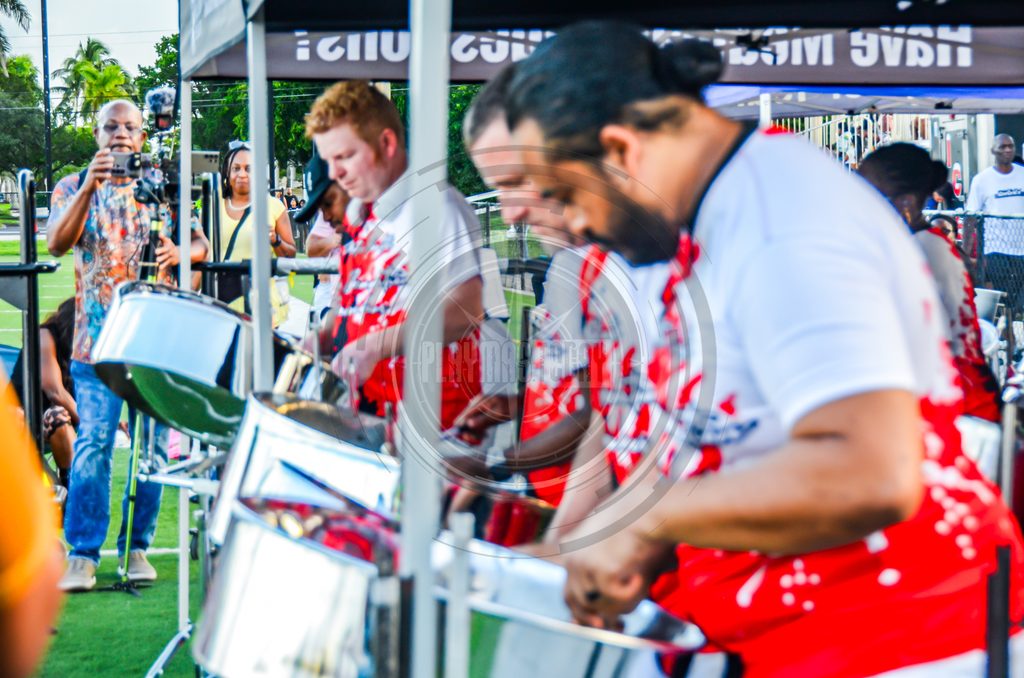
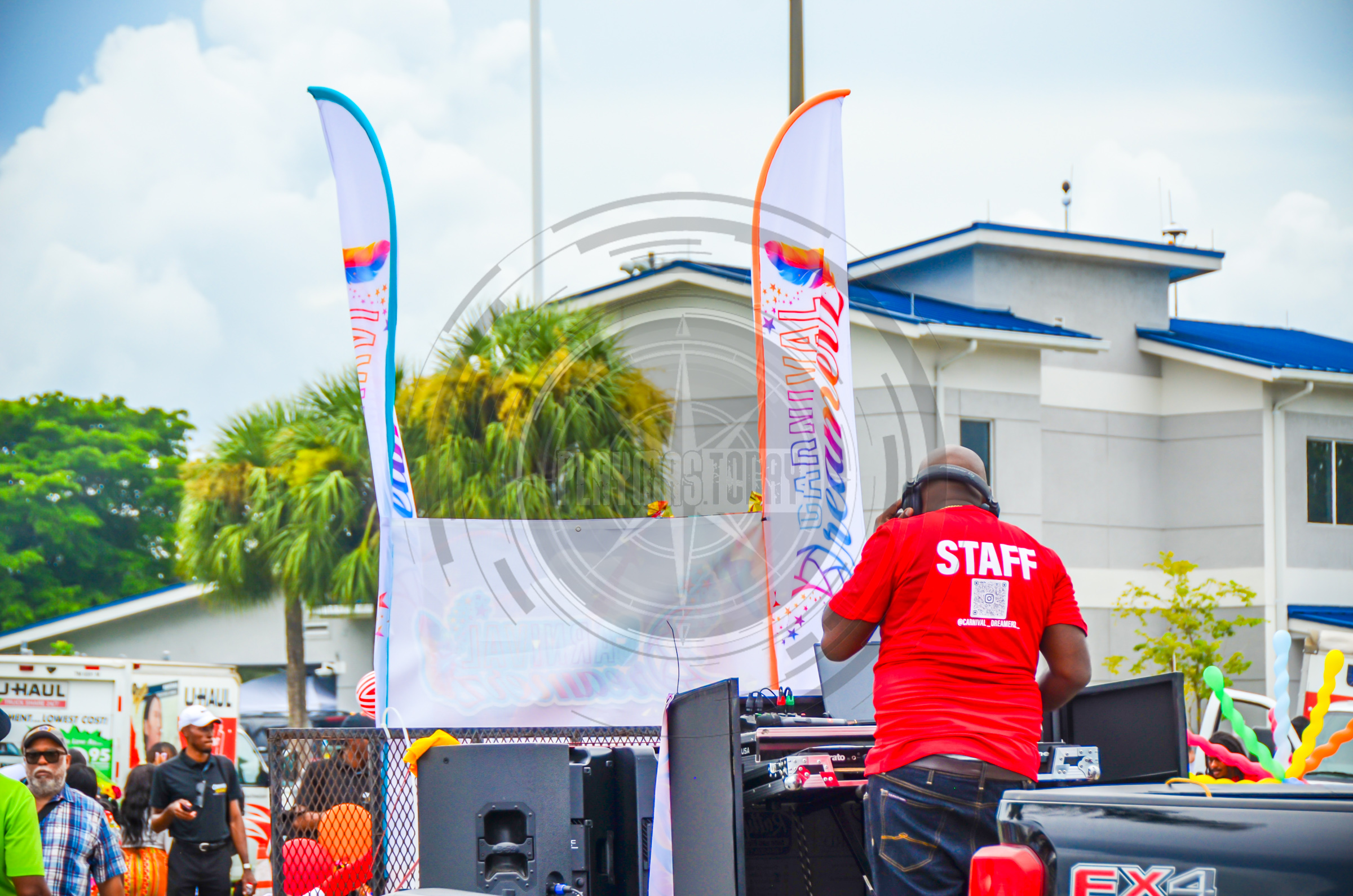
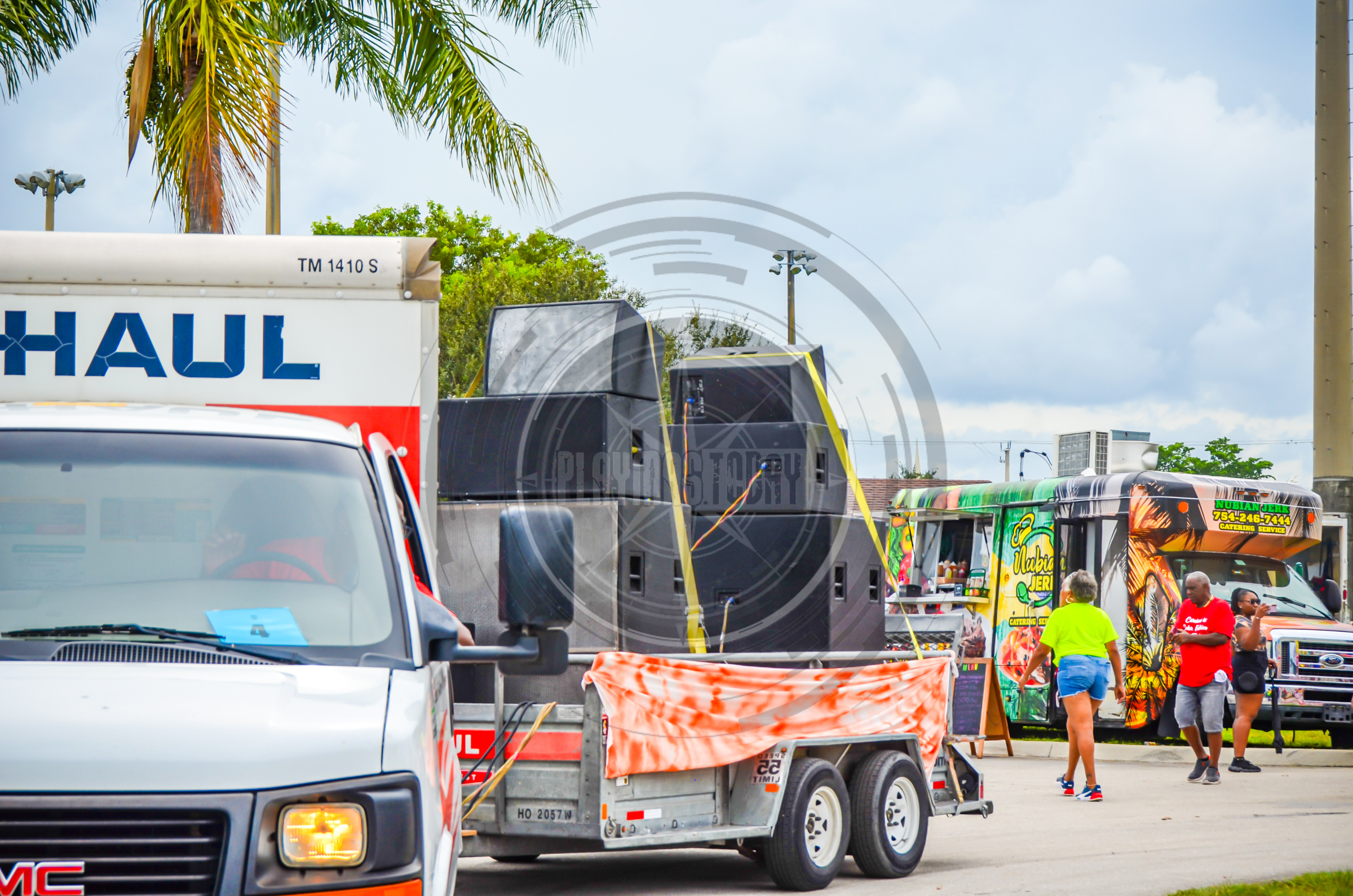
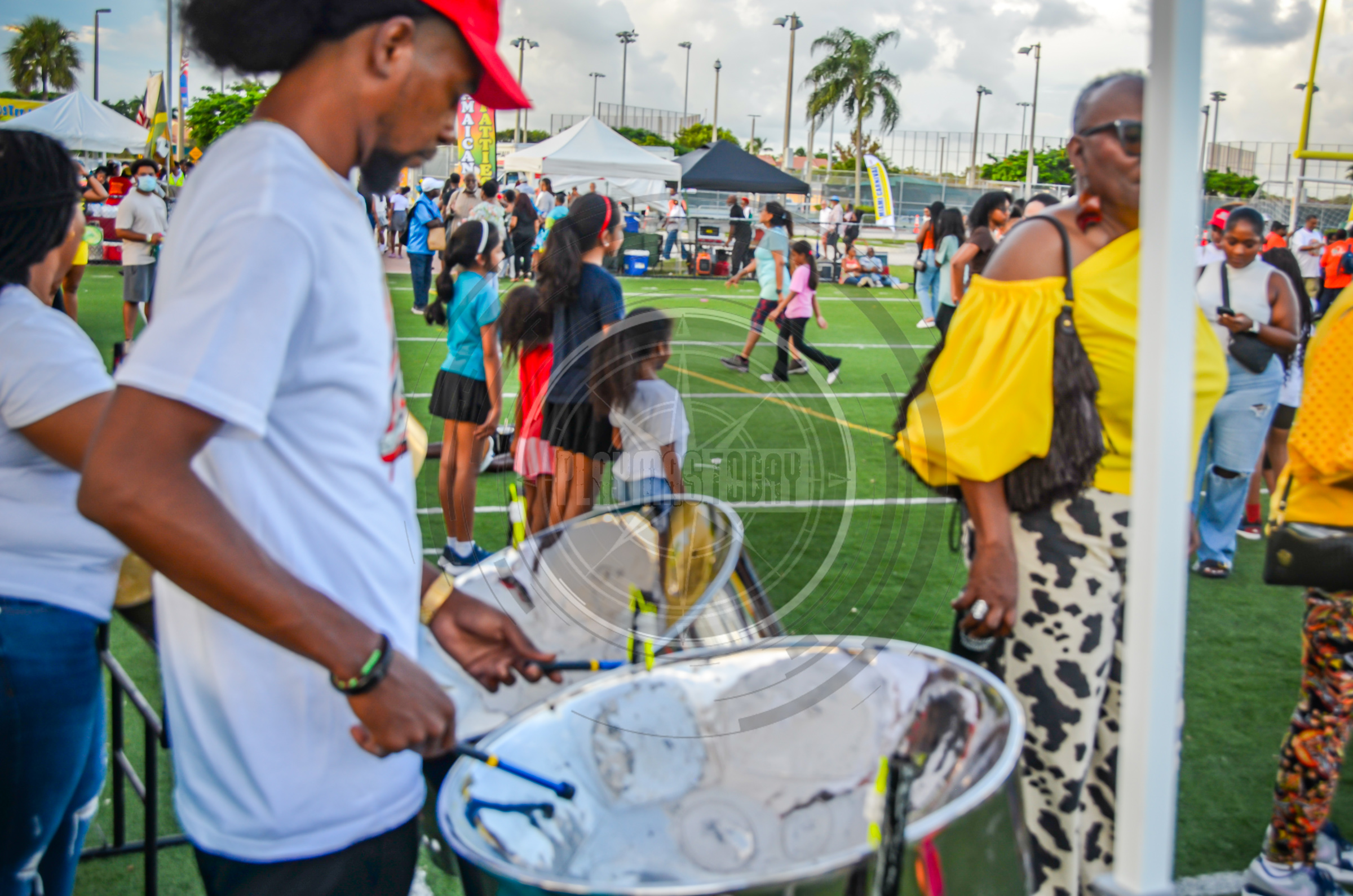
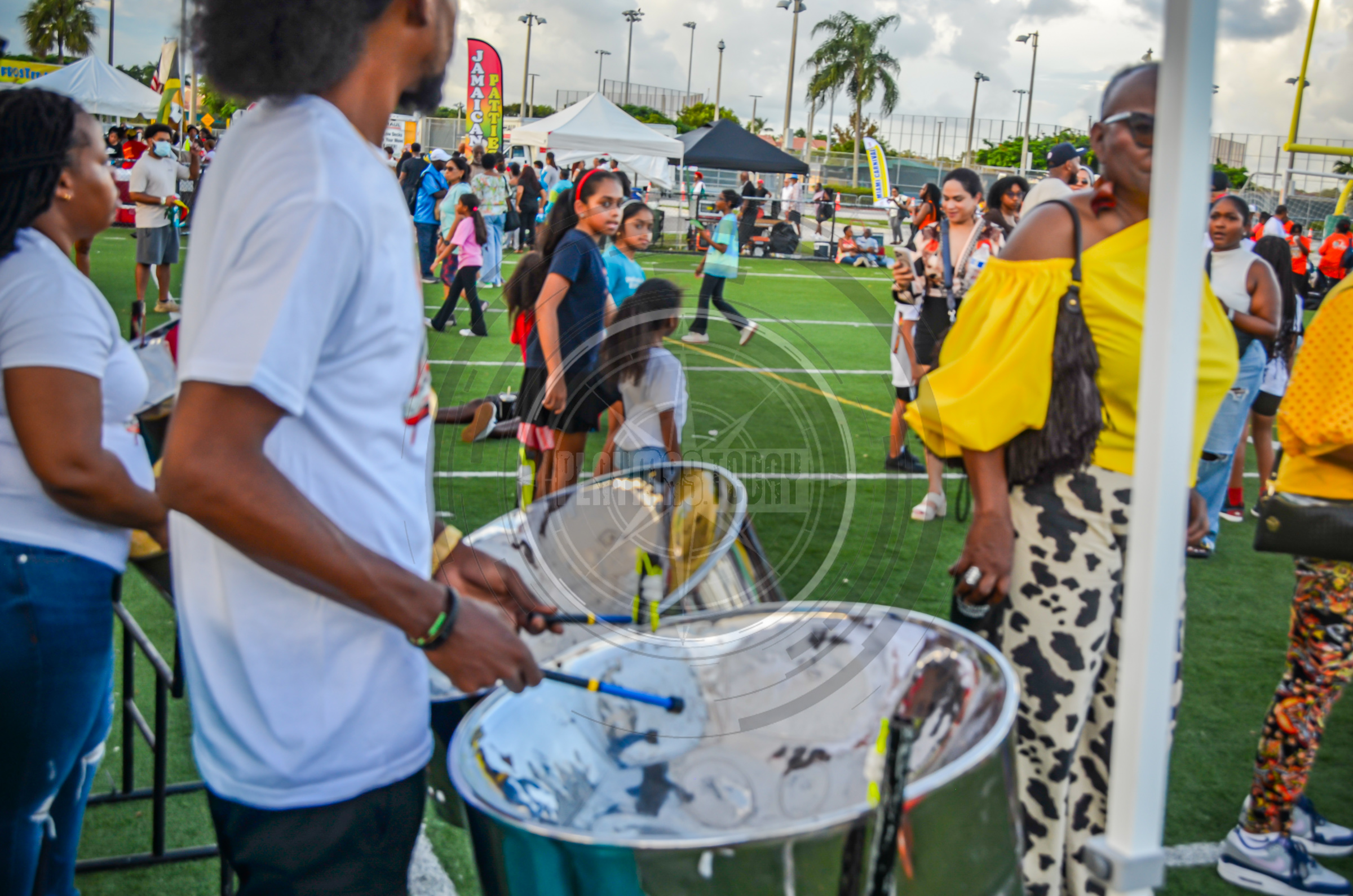
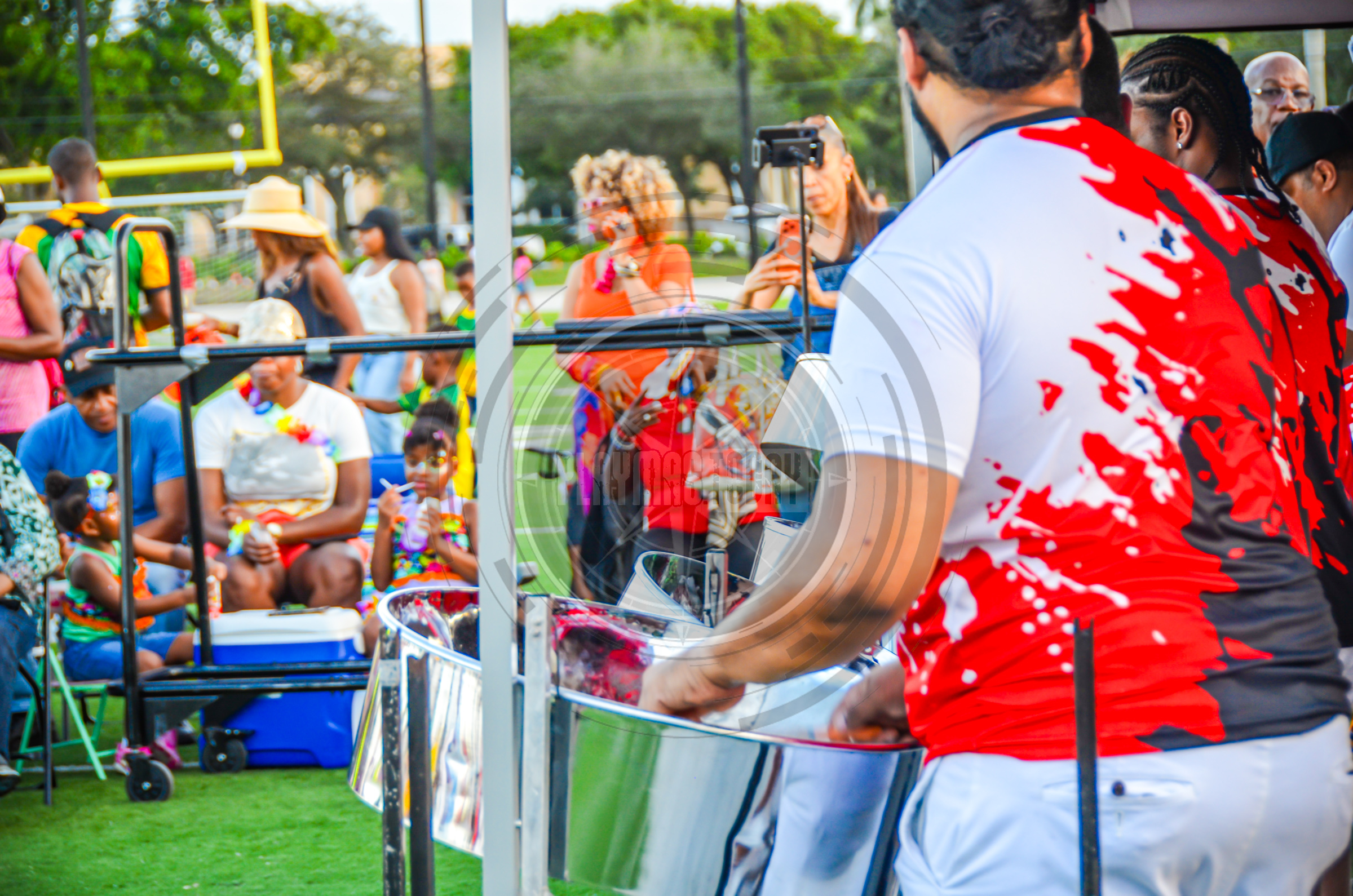
My first memory of mas takes me back to Brooklyn in the mid-1980s. I was just a child. I couldn’t tell you the exact colors of the feathers or the names of the bands back then, but the taste and smell stay locked in my bones: jerk pits smoking up the corner, the sallow of ginger beer, the sweet hush of fresh coconut water cracked open right on the avenue. Most of all, I remember my mother. A strict, stern woman who rarely let down her guard. But when the steelpan rolled past and the big speakers on the music truck began to hum from a distance, rattling the soles of our shoes, something broke loose.
My mother shed her skin right in front of me.
Her hips took to the beat like second nature. The burden lifted from her brow. She transformed into someone I had never seen, laughing with a freedom she rarely had room to show. She tried explaining the roots of it all that day, but to a child who only knew the concrete stretch of 148th Street between Convent and Riverside Drive, it felt like folklore. I didn’t yet realize that home existed beyond city blocks.
Standing on the blacktop in South Florida, seeing the little ones take the road, every piece of that memory came full circle.
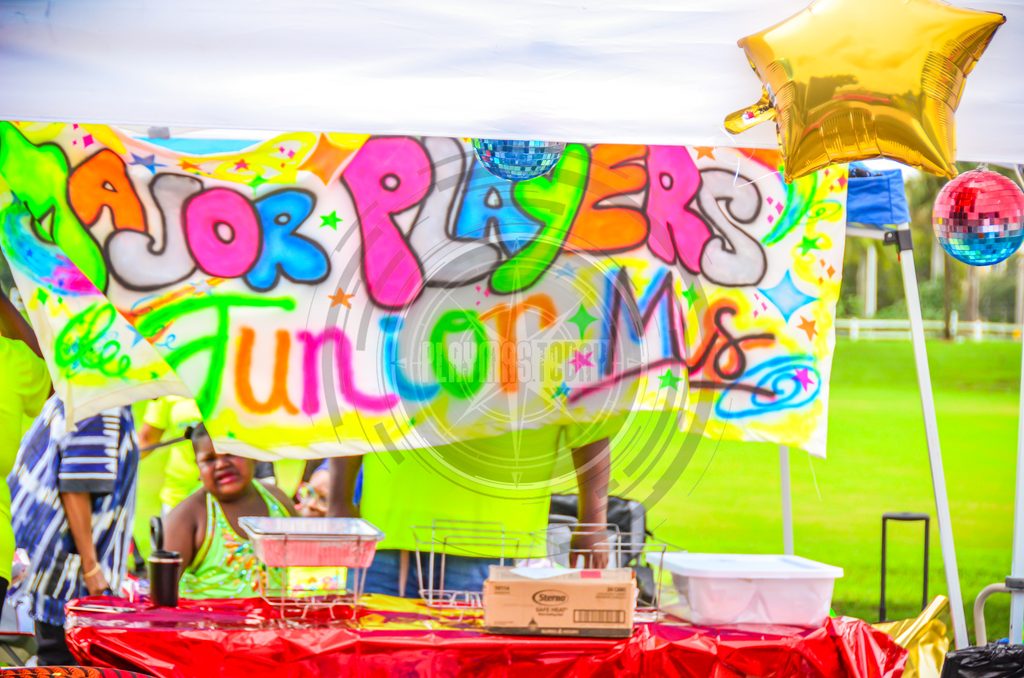
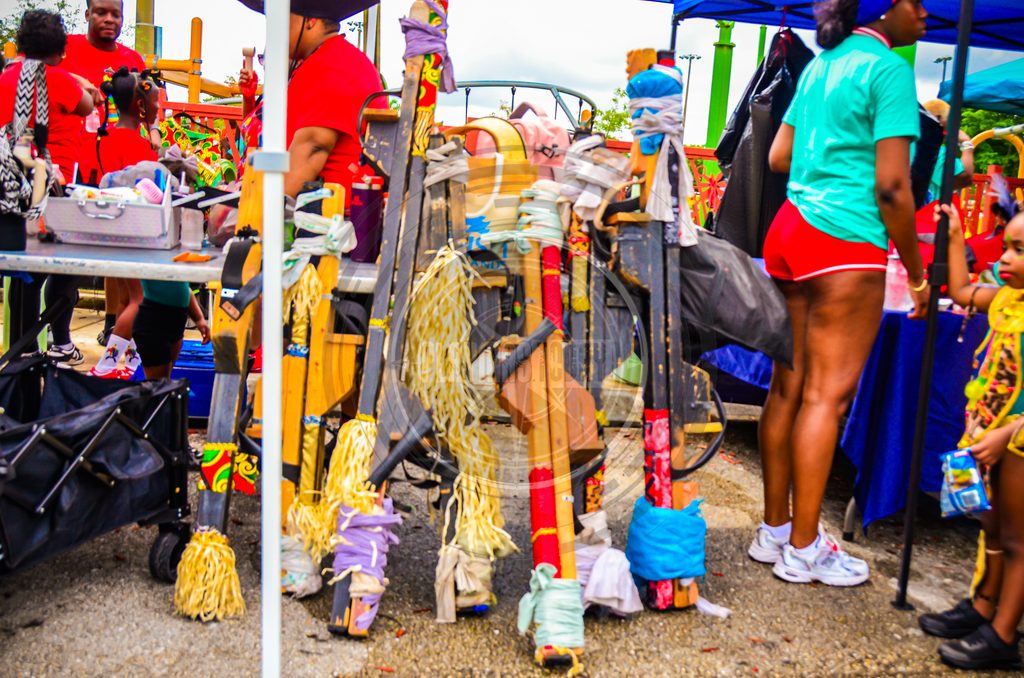
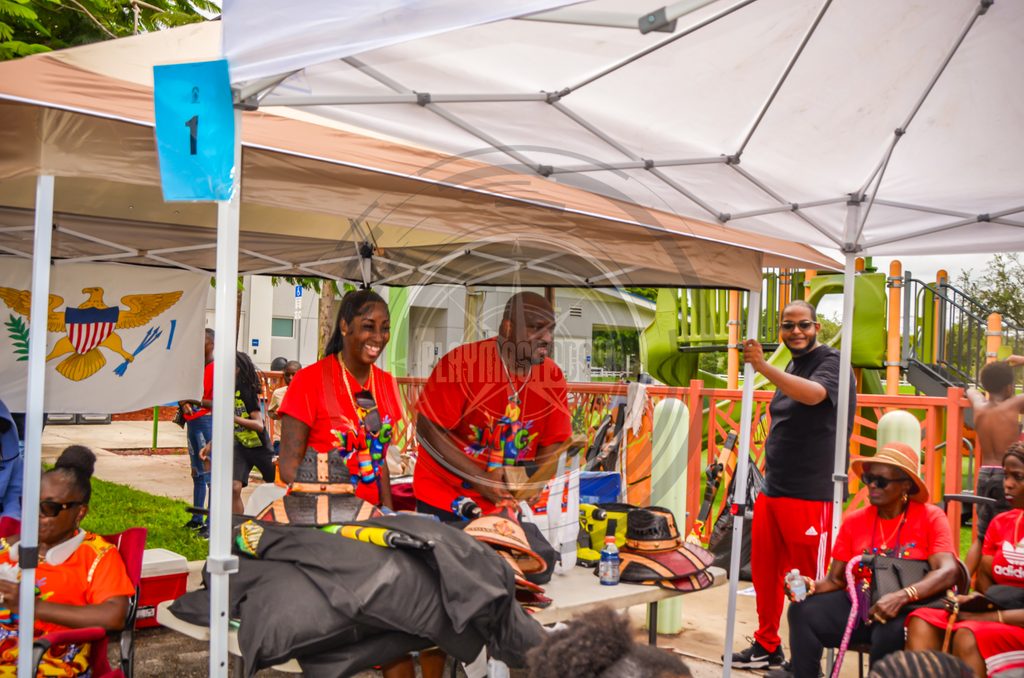
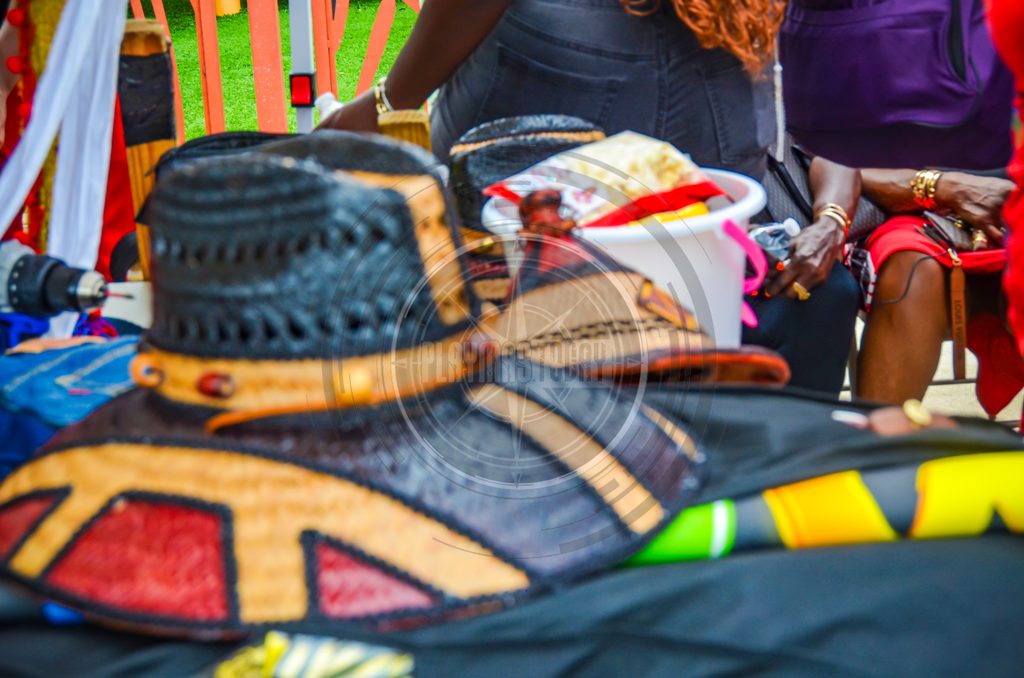
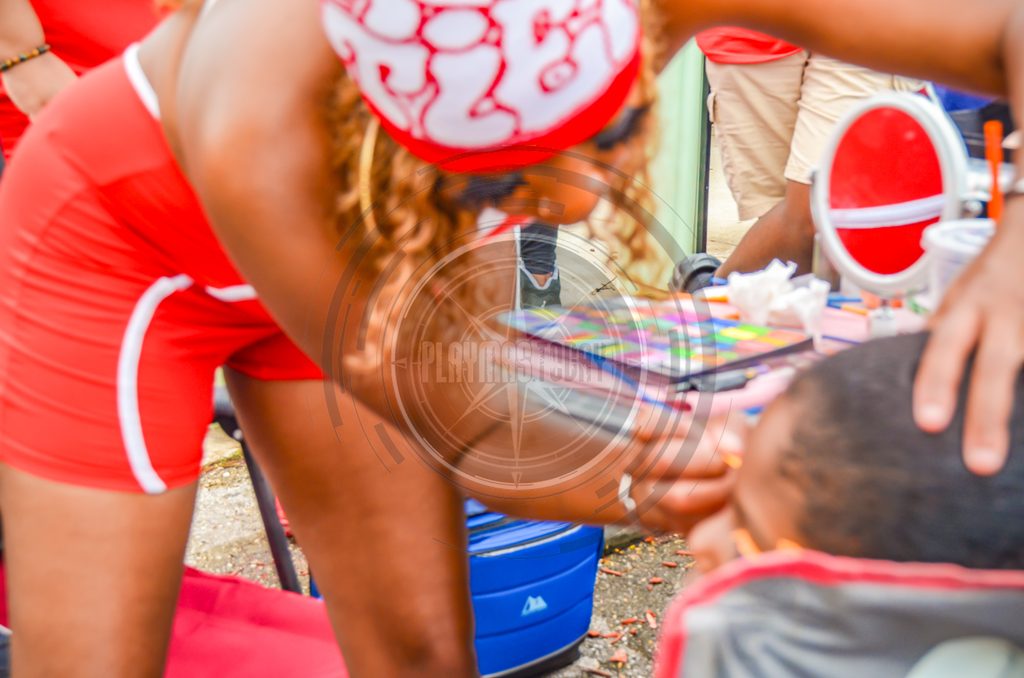
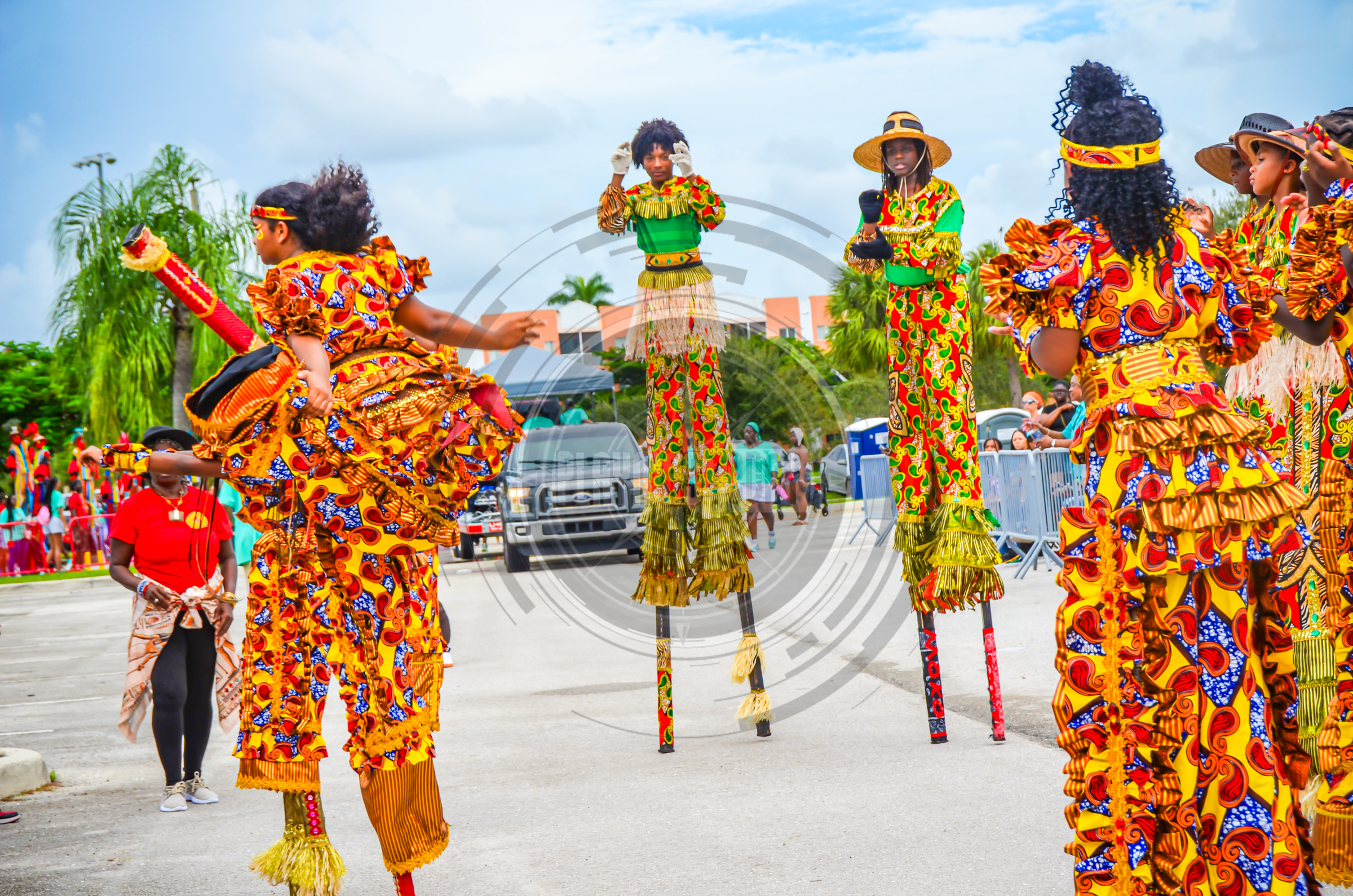
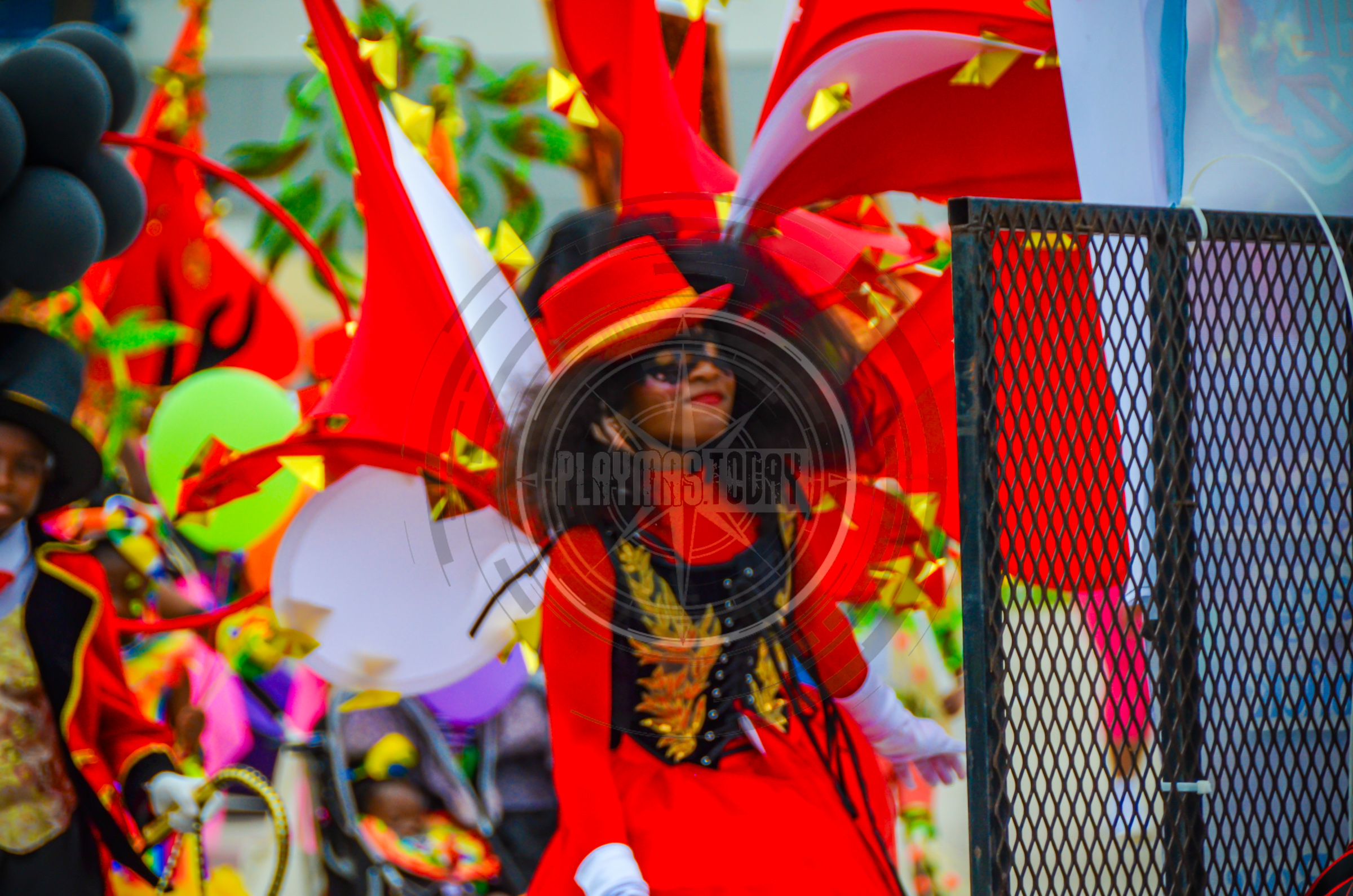
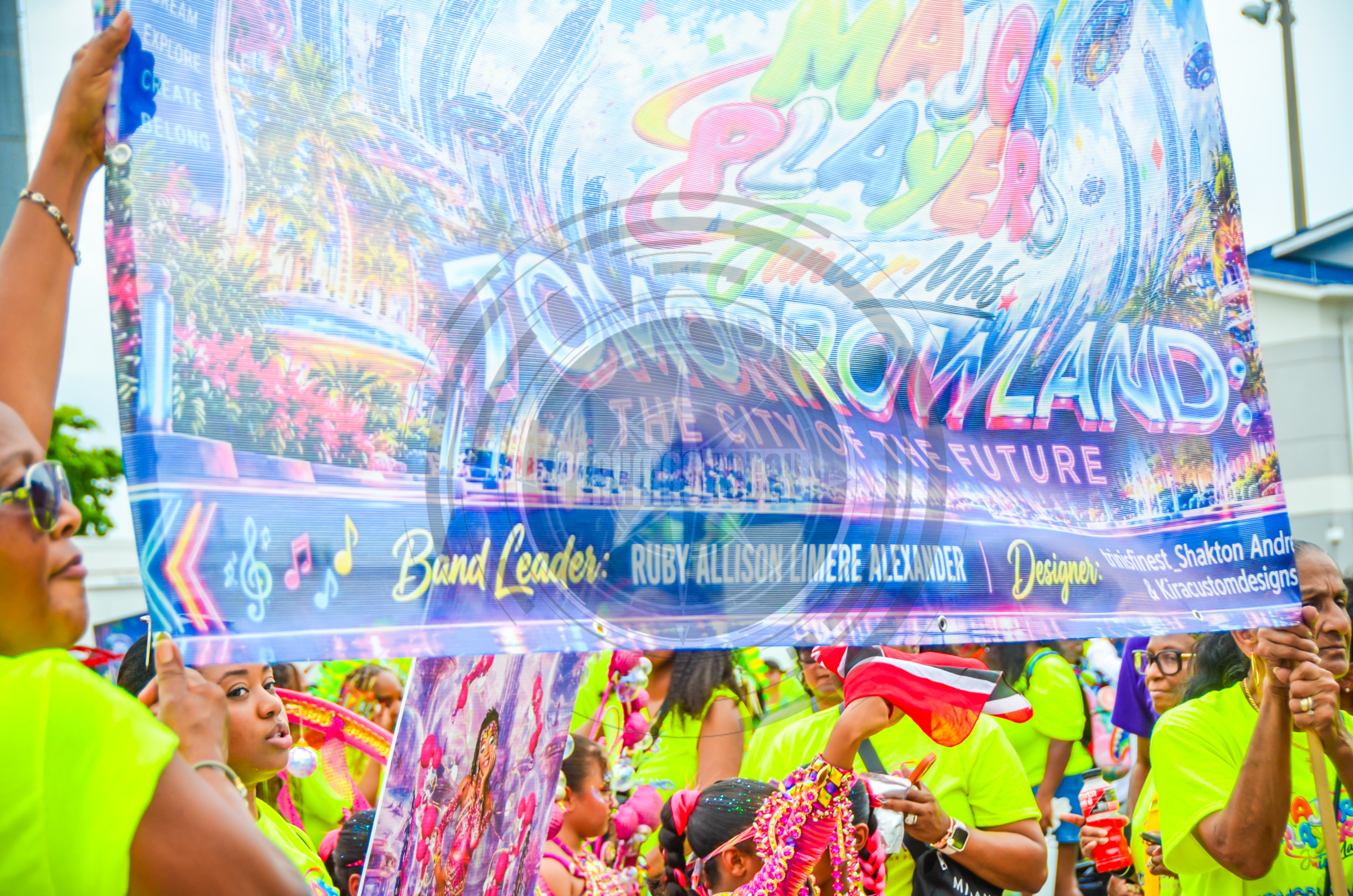
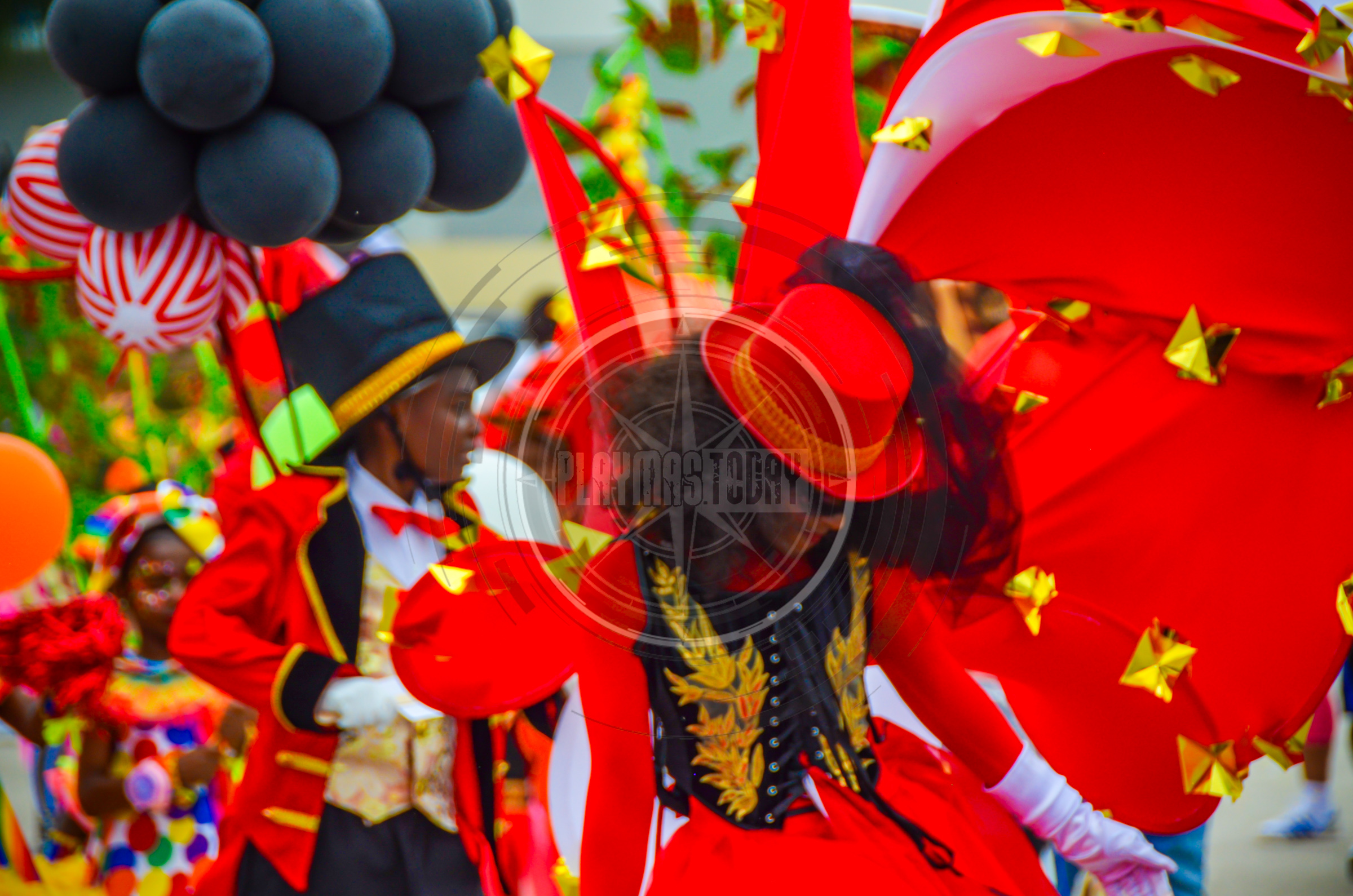
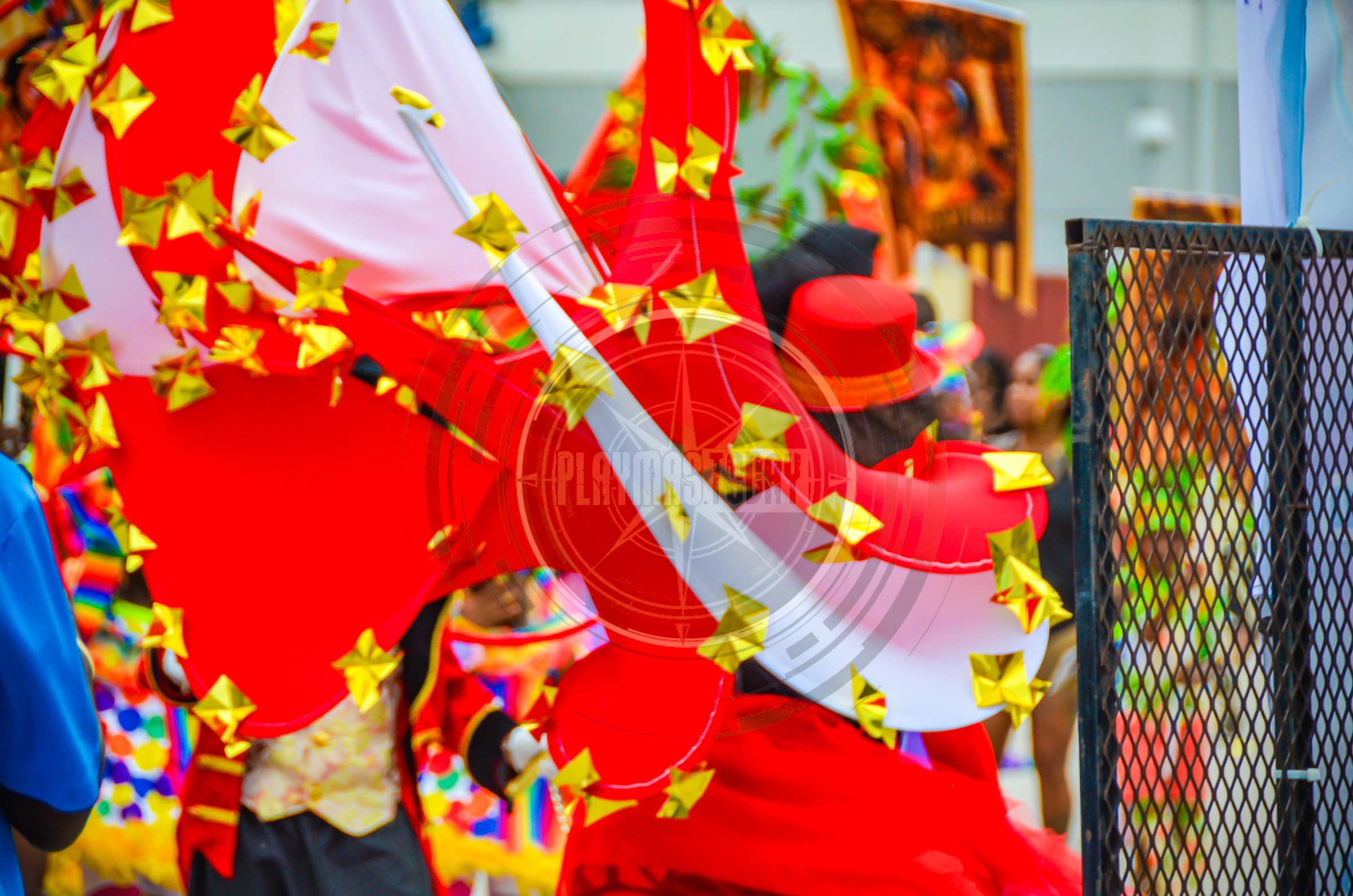
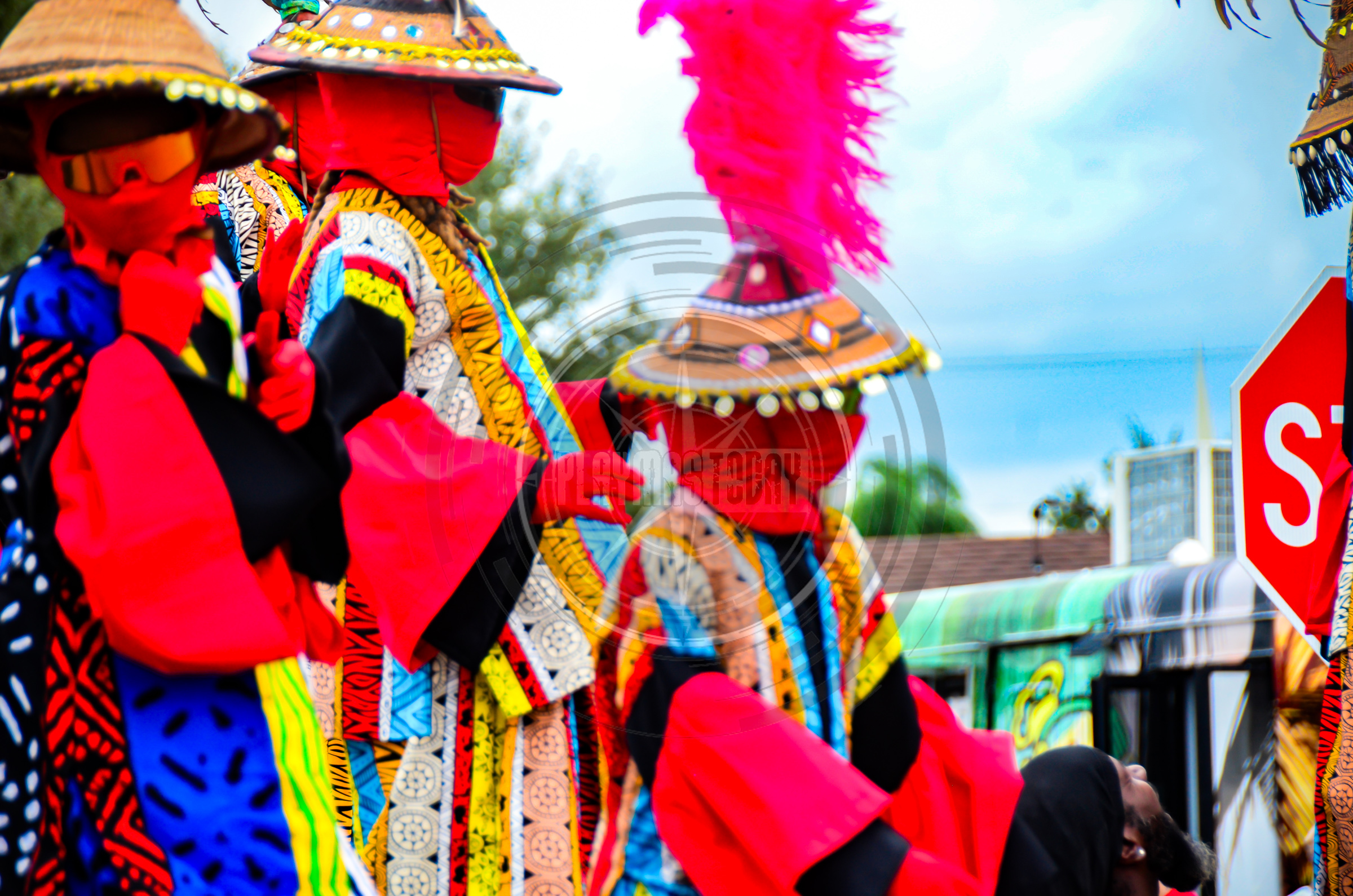
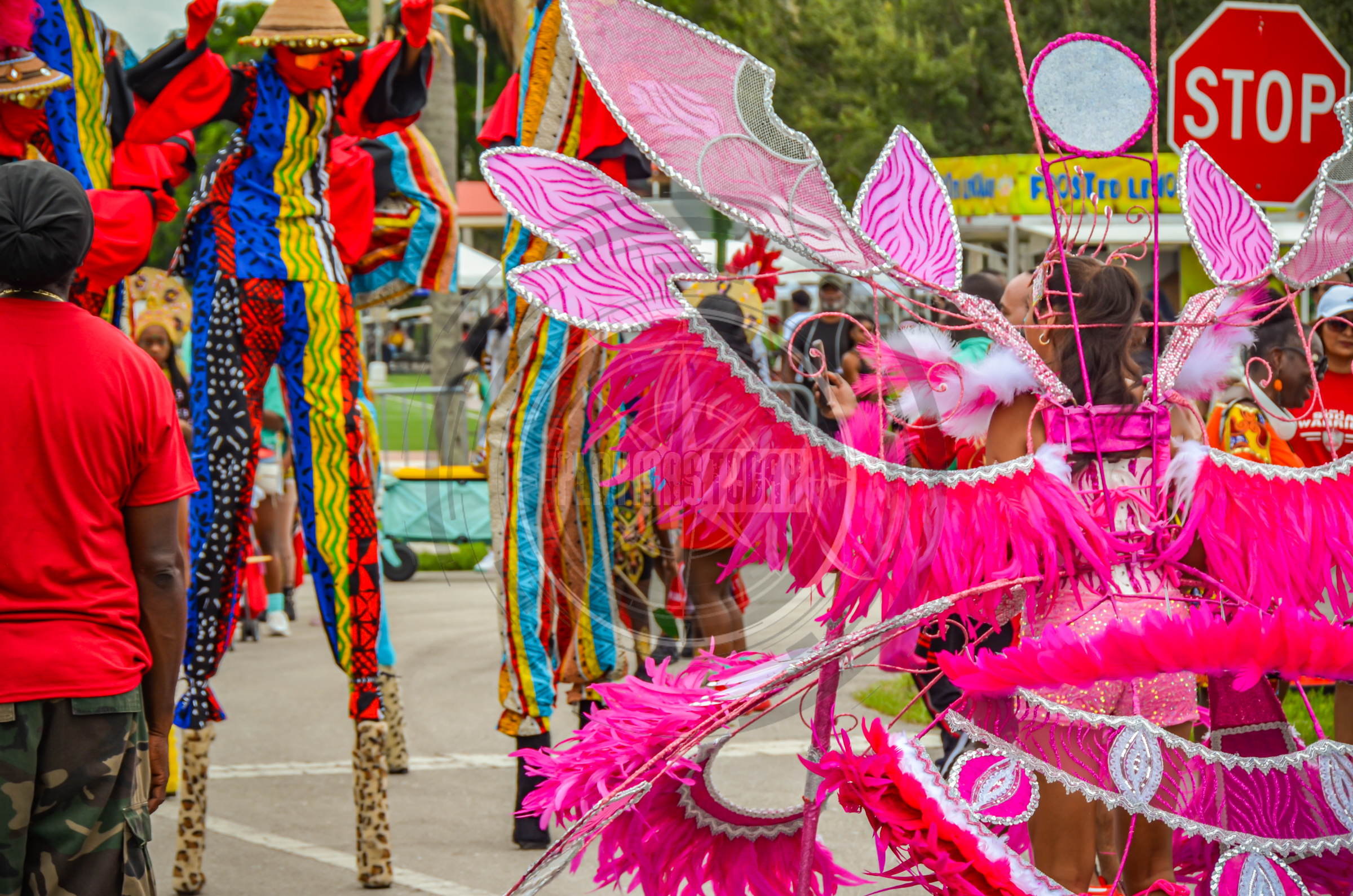
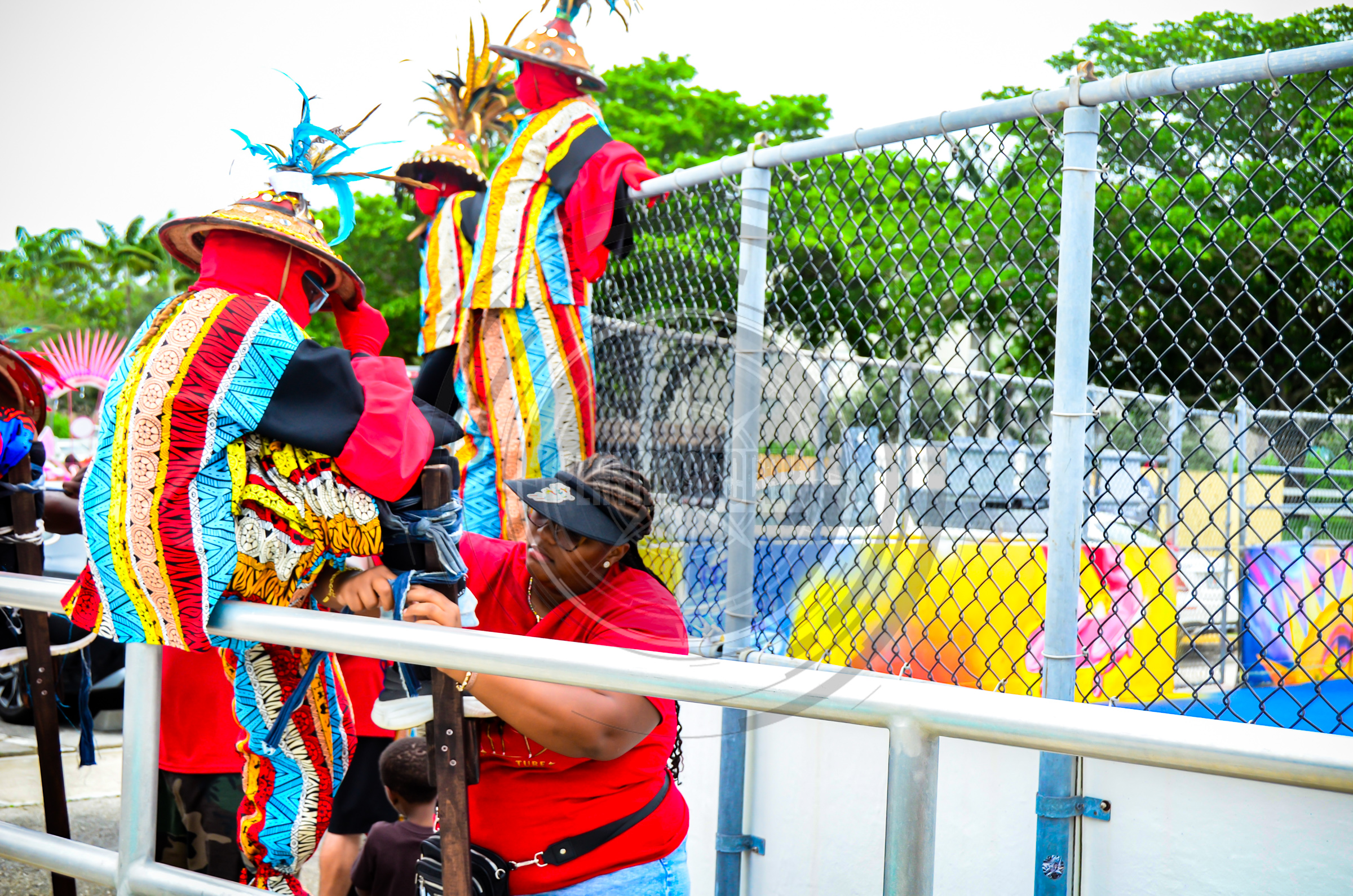
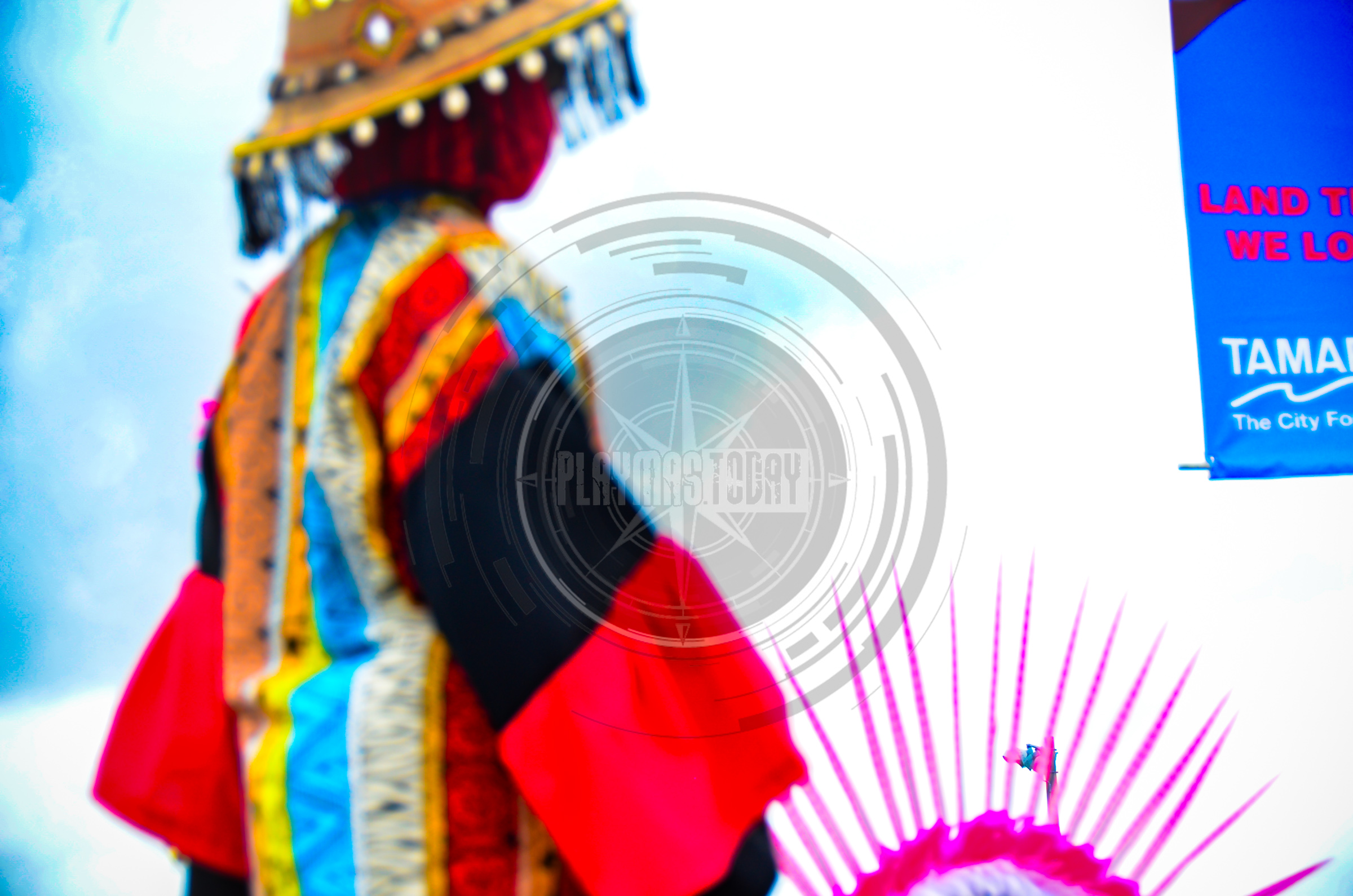
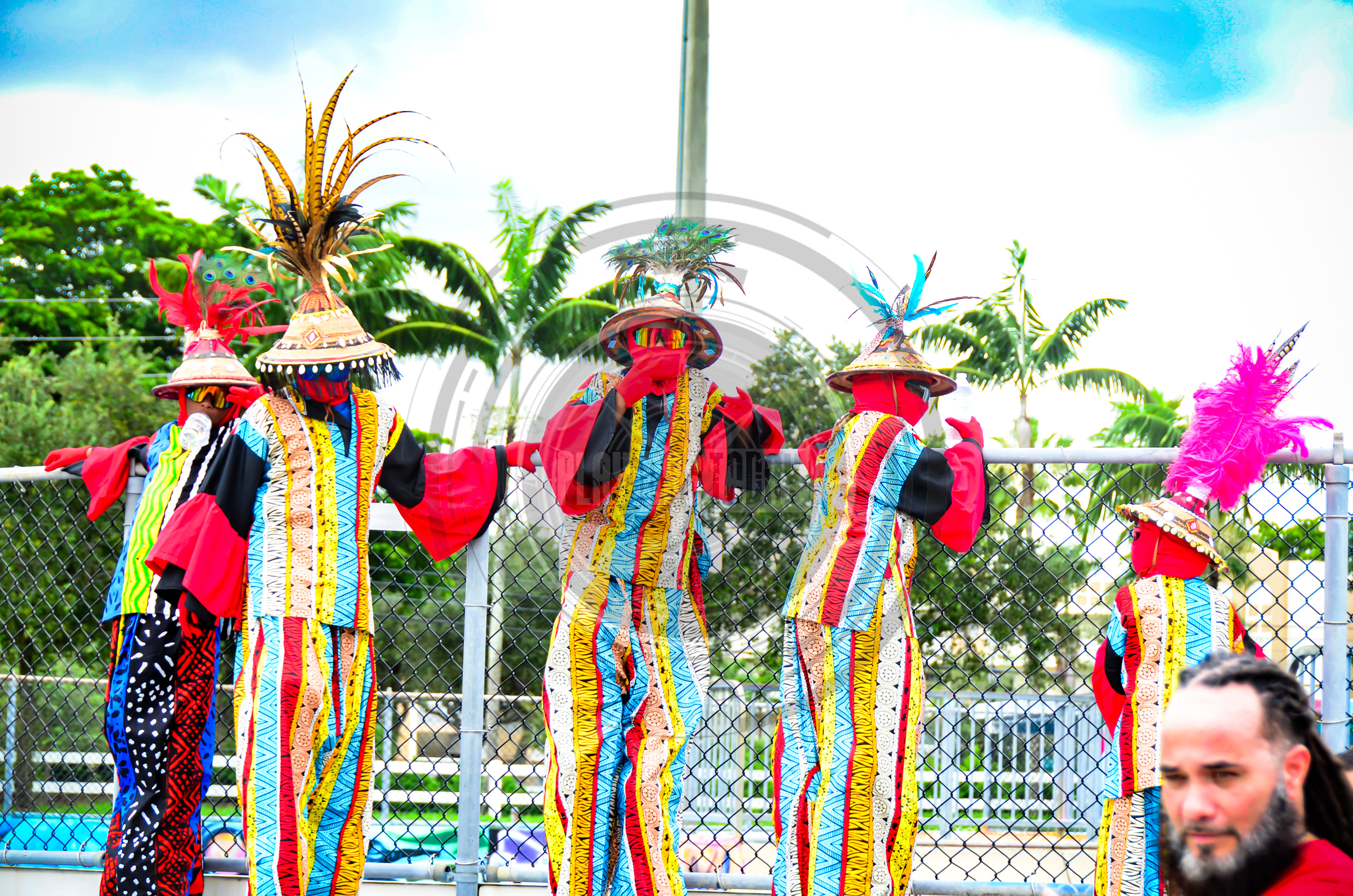
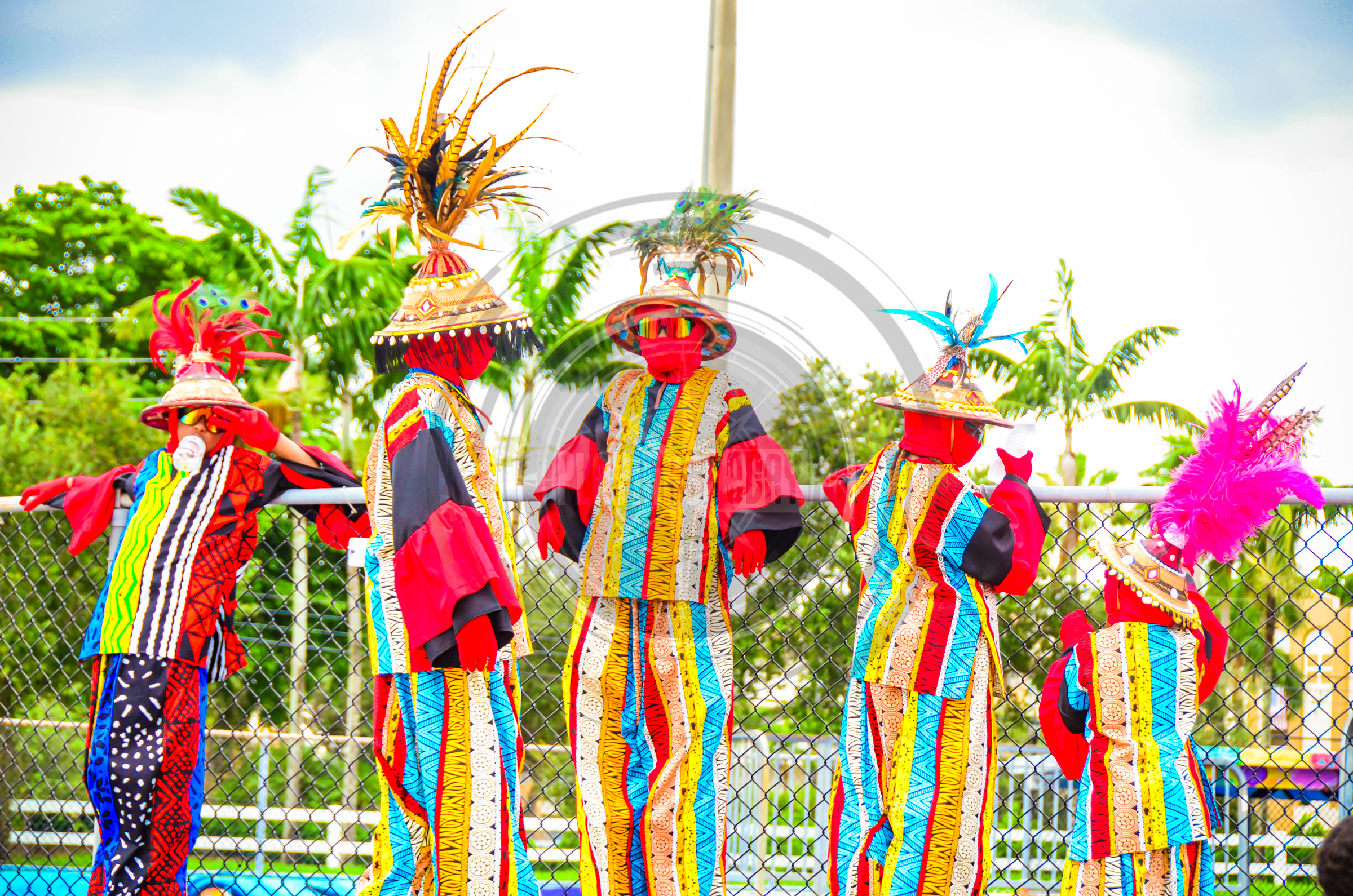
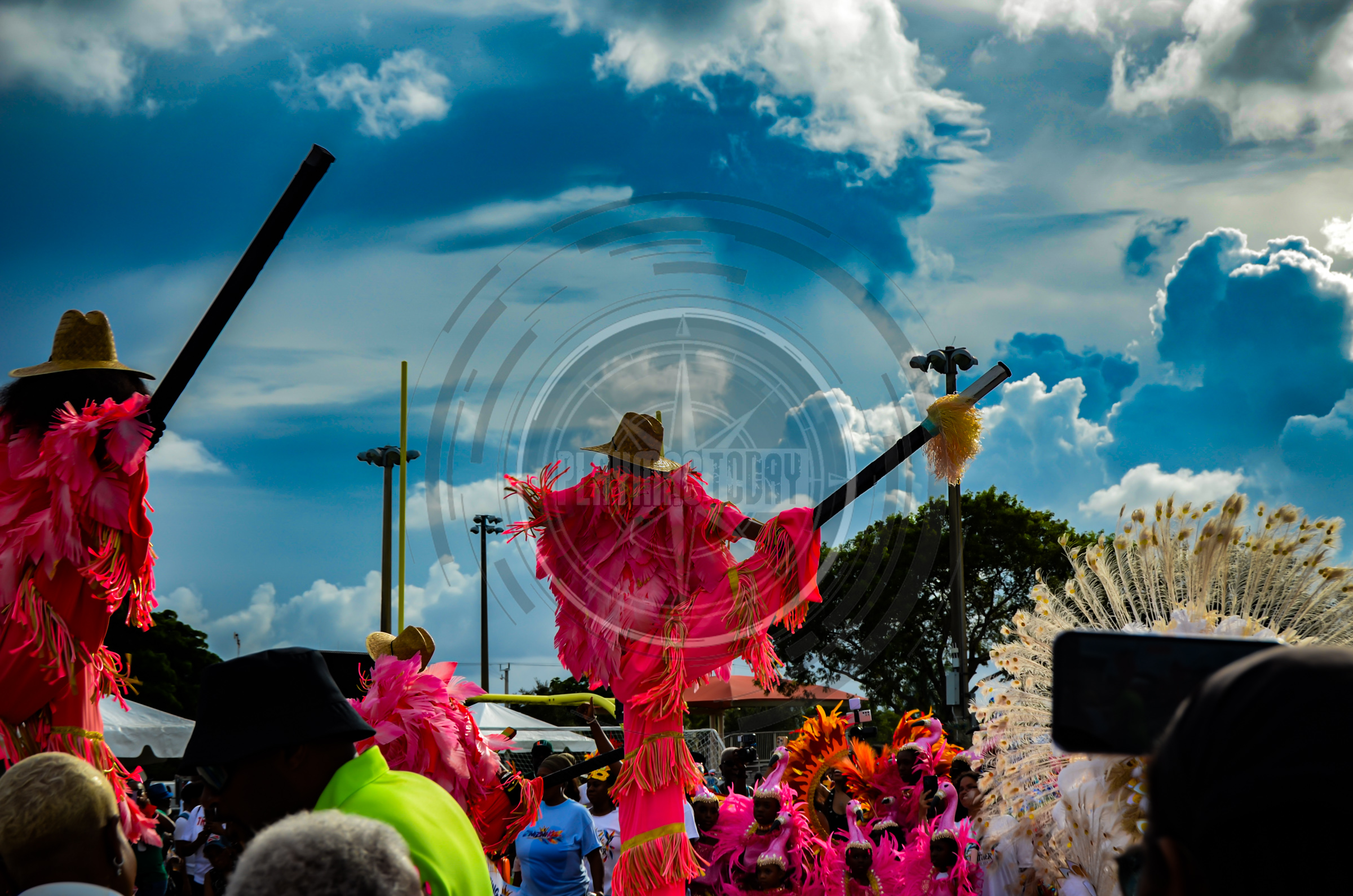
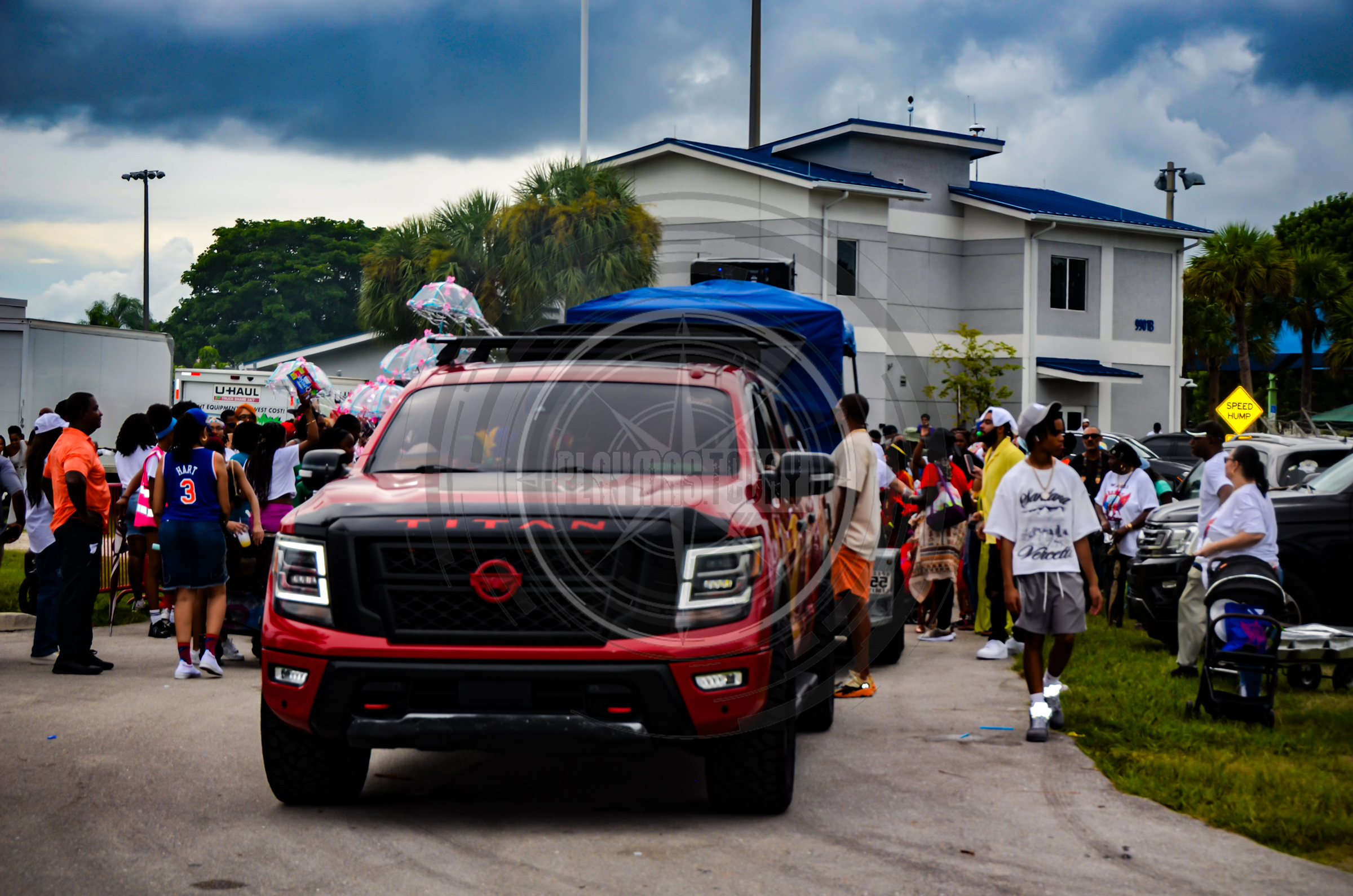
Behind the scenes under the tents, you see the sacred labor of it all. You watch an elder carefully painting a young queen’s face, tracing patterns older than the republic itself onto cheeks that have only known air-conditioned classrooms. You see toddlers sitting on the asphalt between passes, taking a quiet breather with a snack in hand, draped in layered crinoline, satin trim, and emerald lace. Then come the stilt-walkers—the Moko Jumbies—towering high above the chain-link fences in vibrant, fringed fabric and woven hats, watchful spirits guarding the village just as they did centuries ago across West Africa and Trinidad.
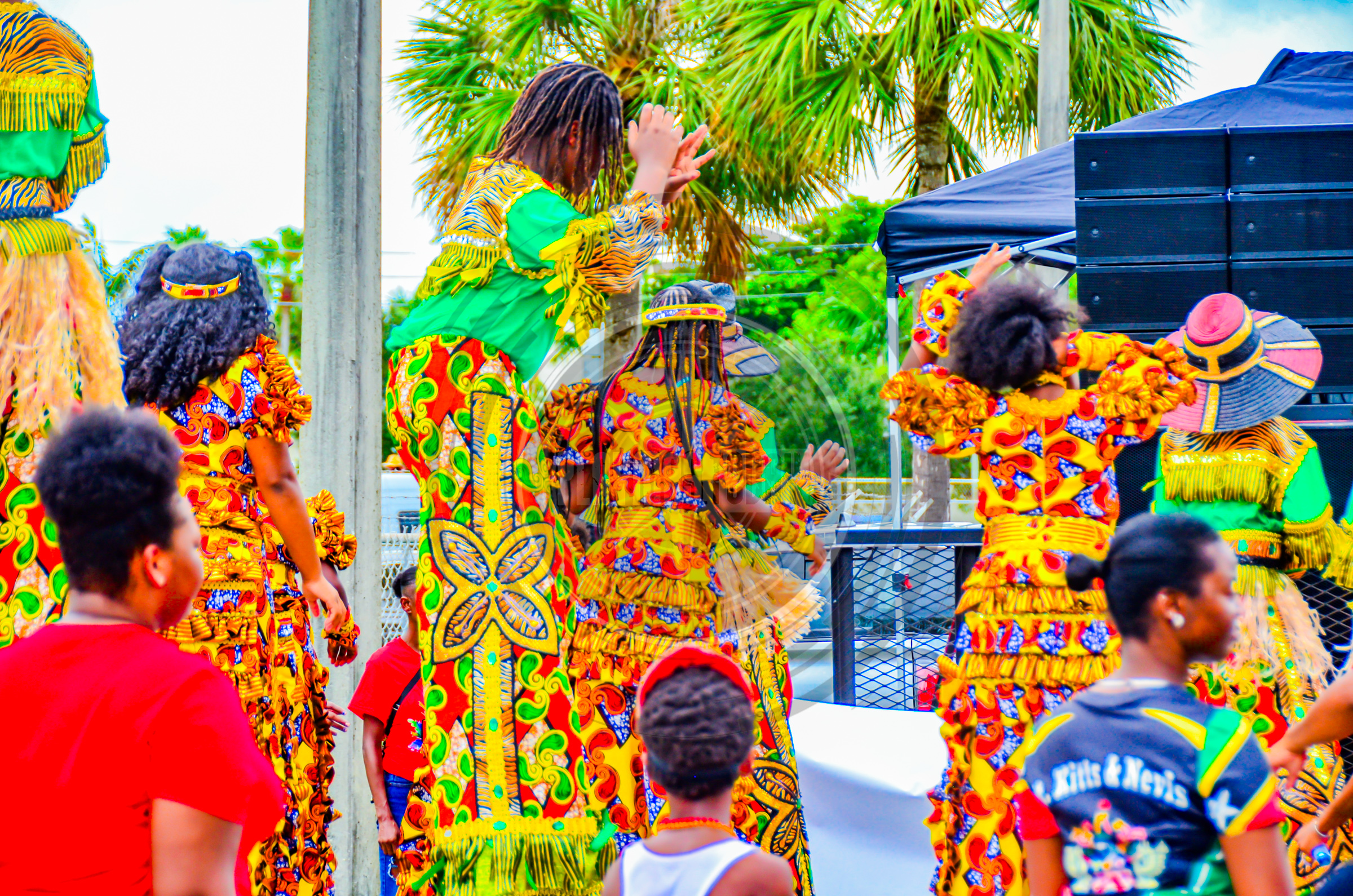
These costumes are built with care, dignity, and respect for their youth. While the road carries that familiar, driving tempo, the children aren’t mimicking adult bacchanal. They dance to an innocent, pure pulse.
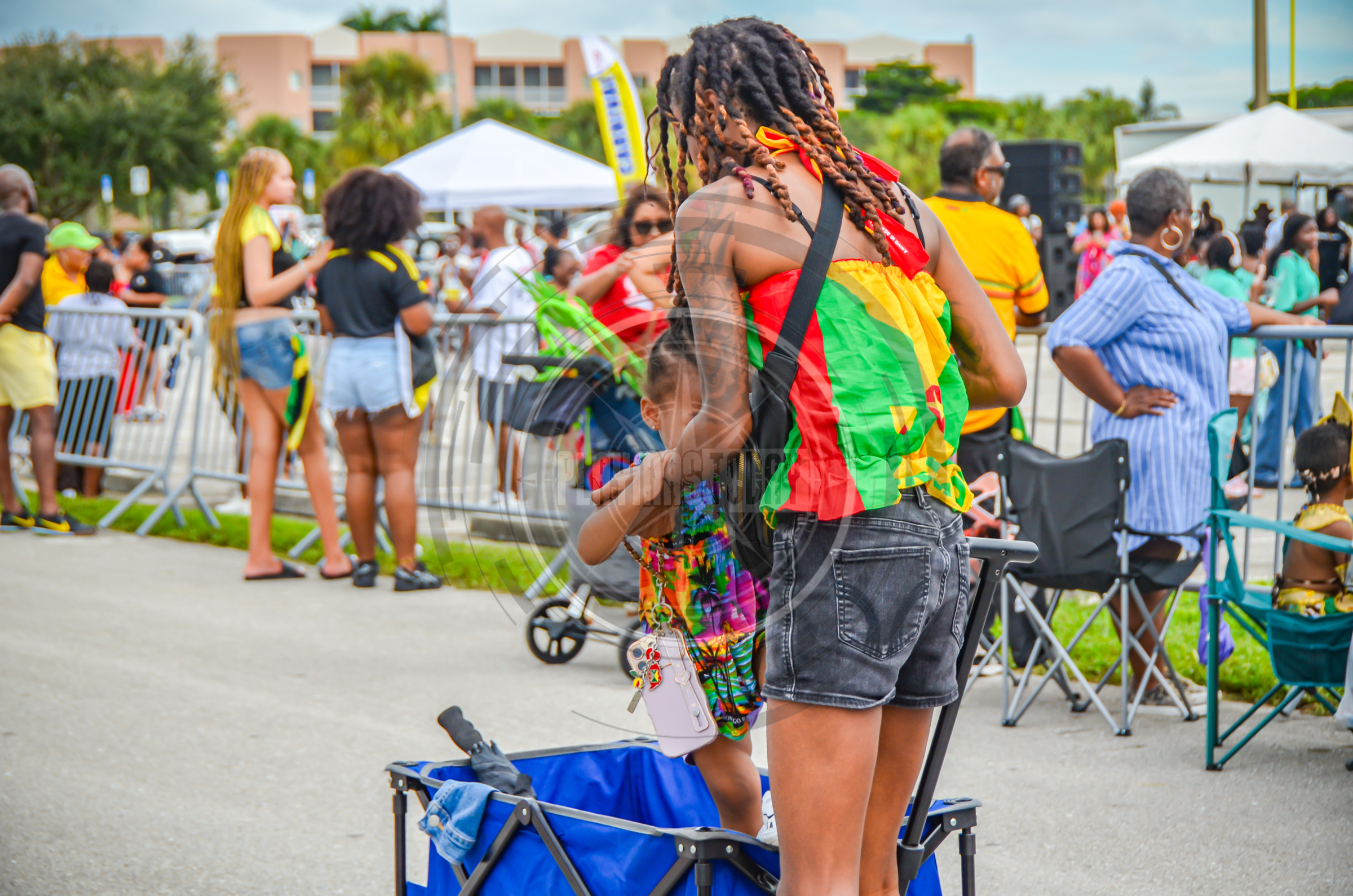
I stood by the barrier and watched an American-born friend walking proudly beside his toddler grandson. The little boy was completely locked into the music, grinning ear to ear the entire route. No glowing tablet in front of his eyes. No digital distractions. Just an elder and a child, stepping in unison to the rhythm of a grandmother’s homeland. That boy has never dug his bare toes into island dirt, yet his feet found the cadence without hesitation, moving as if he had been raised on that very soil.
That is the power of Kiddies Carnival. It is more than a procession of glitter and silk. It is a living, breathing promise whispered from one generation to the next: You belong to something grand, deep, and unbroken.
For a child navigating life far from the islands, Junior Carnival turns history into something you can hear, touch, and taste. It gives them roots before the world tries to shake them. And as long as we keep dressing them in mas and walking beside them down that road, the lineage will never die.
Photos



FAQ
Q: What is Miami Junior Carnival?
A: Miami Junior Carnival (also known as Kiddies Carnival) is a family-oriented cultural parade and competition in South Florida where young masqueraders celebrate Caribbean heritage through age-appropriate mas costumes, steelpan, and soca music.
Q: Why is Junior Carnival important for the diaspora?
A: It serves as an active bridge to ancestral history, allowing children raised outside of the Caribbean to connect with folklore, family roots, and community traditions through immersive sound, food, and masquerade.
Q: How did Junior Carnival traditions start in the United States?
A: As Caribbean communities settled in cities like New York and Miami during the 20th century, they adapted adult festival arts into youth-centered street parades to safely teach children the traditions of mas and resistance.
Q: What cultural elements are featured in the parade?
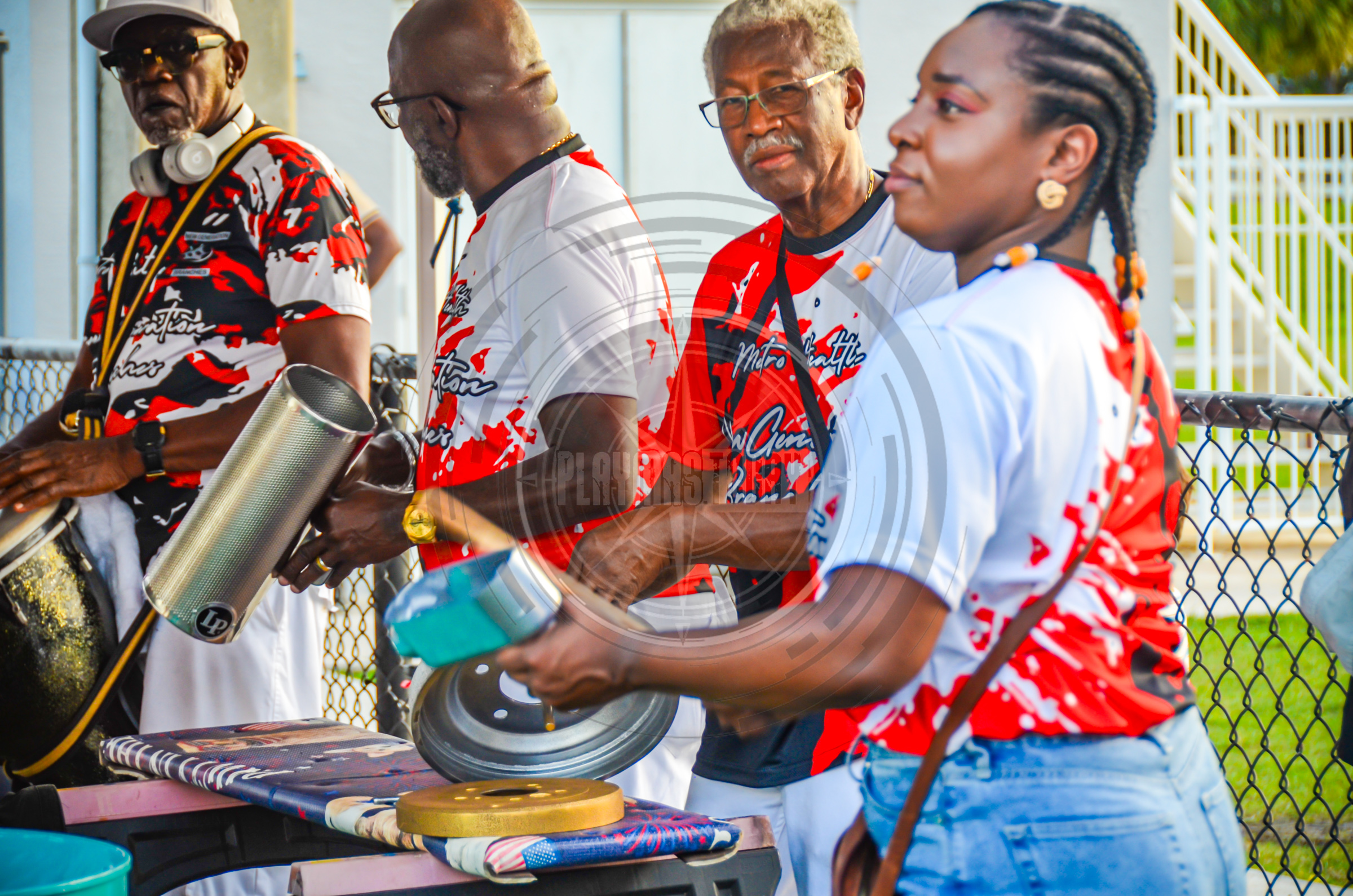
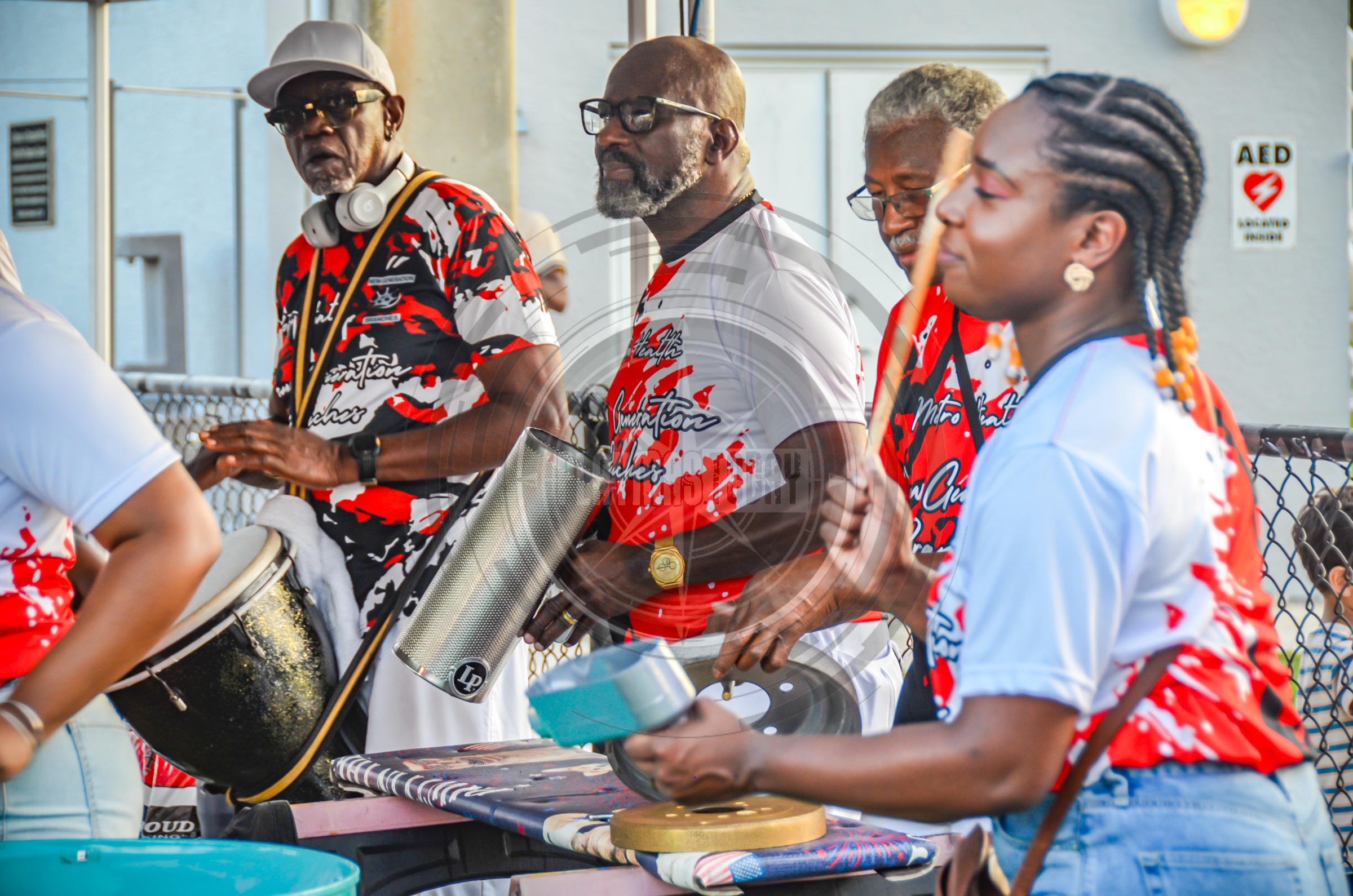
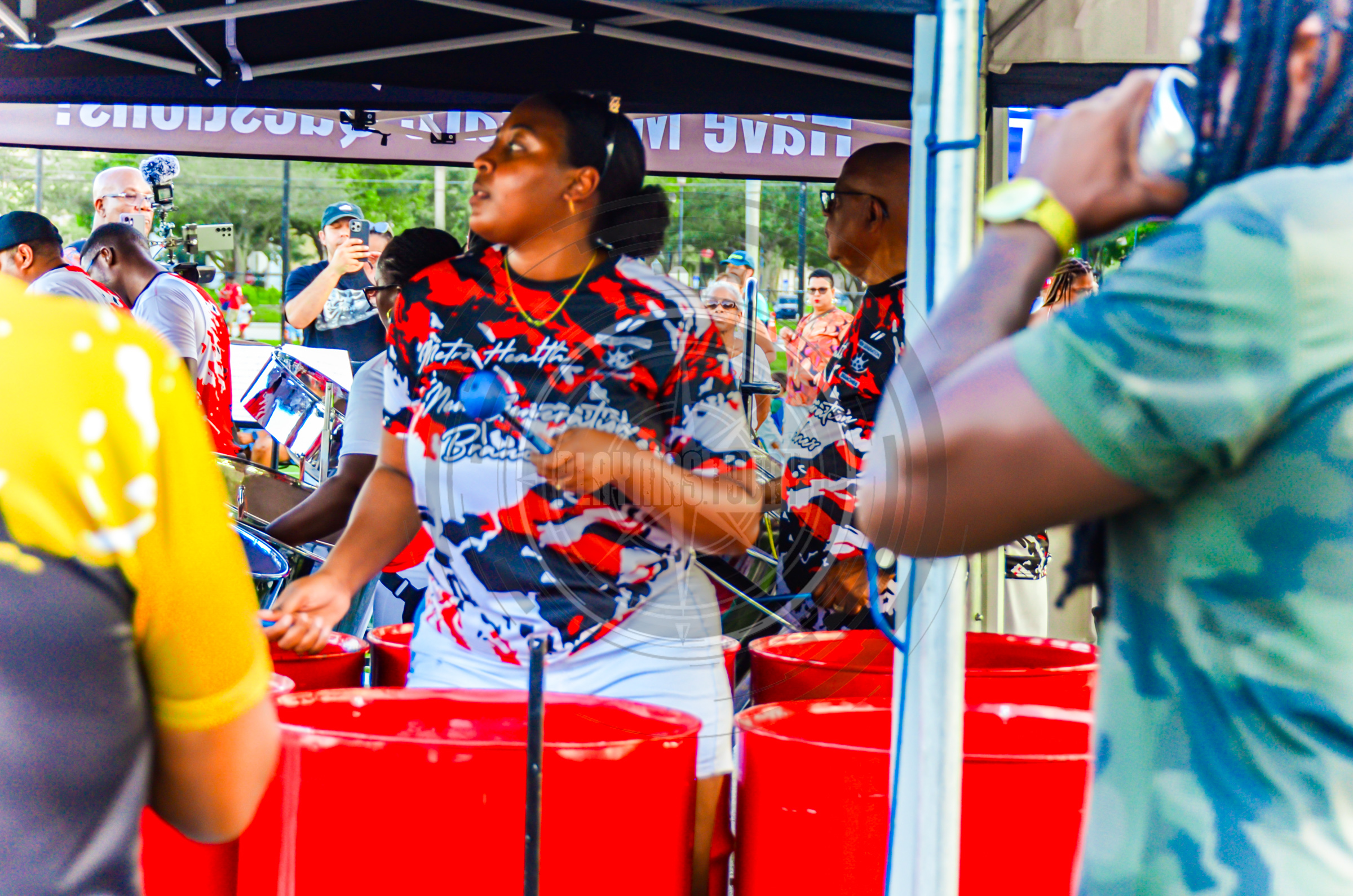
A: The parade showcases traditional masquerade figures like Moko Jumbies (stilt-walkers), handcrafted junior king and queen regalia, steelband performances, calypso, soca music, and traditional Caribbean cuisine.