An Operational Continuity Framework for the Cultural-Corporate Shift (2026-2027)
1. Introduction: The Shift from Mega-Events to “Micro-Carnivals”
As we analyze the cultural landscape of 2026, we observe a fundamental “unbundling” of the traditional carnival experience. For decades, the global carnival circuit was defined by high-cost “mega-events” requiring massive physical infrastructure. However, we are currently witnessing a strategic shift toward hyper-local, brand-focused celebrations.
The Micro-Carnival Movement represents a pivot from massive physical scale to concentrated brand loyalty and community resilience. This phenomenon is a strategic response to global logistics and policy friction. It prioritizes community connection over massive physical infrastructure, ensuring cultural expression persists despite external pressures.
While the “Mother Carnival” in Trinidad remains a powerhouse—boasting a 13% increase in international arrivals (54,441 visitors) in 2026—the emergence of Micro-Carnivals offers a parallel evolution. These are not “lesser” versions of the original; they are a sophisticated evolution of cultural accessibility, ensuring the frequency of the diaspora remains uninterrupted.
2. The Barriers: Understanding Aviation Instability & Policy Friction
The modern masquerader navigates a landscape defined by two primary systemic hurdles:
- Aviation Instability: The late 2025 U.S. government shutdown served as a catalyst, crippling air networks and resulting in economic losses of $1 billion per week. This crisis exacerbated airport staffing shortages and extended TSA wait times, making land-based travel a logistical gamble.
- Policy Friction: Manifesting as increased visa fees and heightened negative sentiment regarding U.S. entry, this friction contributed to a 6.3% decline in international inbound travel to the U.S. in 2025.
The Resilience Matrix
| Physical Barrier | Digital & Local Solution |
| Aviation Instability: Hub cancellations and TSA delays. | Hyper-Local Validation: Platforms certifying regional events in Atlanta (May 23) and NYC as legitimate nodes. |
| Visa & Entry Friction: 6.3% drop in U.S. inbound travel. | The Cruise Pivot: 21.7 million Americans opting for maritime ports to bypass border hurdles. |
| Economic Displacement: Costs exceeding $5,000 per trip. | Destination-Lite: High-vibe local events that maintain cultural literacy without international risk. |
3. Geographic Arbitrage: Policy-Safe Havens & Strategic Havens
Operational continuity in 2026 requires Geographic Arbitrage: moving from static venue-based planning to mobile, resilient models.
The “USVI Advantage” and the Cruise Pivot
To mitigate risks, organizers must leverage territories that bypass traditional border friction:
- The Policy-Safe Haven: As a U.S. territory, St. Thomas (USVI) offers a “No Passport/No Policy Friction” environment for U.S. citizens—the definitive workaround for customs delays.
- Maritime Stability: With record cruise attendance, integrating with Bahamas port schedules allows for “Soca Cruises” that bridge luxury logistics with raw road energy.
Domestic Hubs: Atlanta & South Carolina
Regional hubs provide “economically resilient cultural participation.”
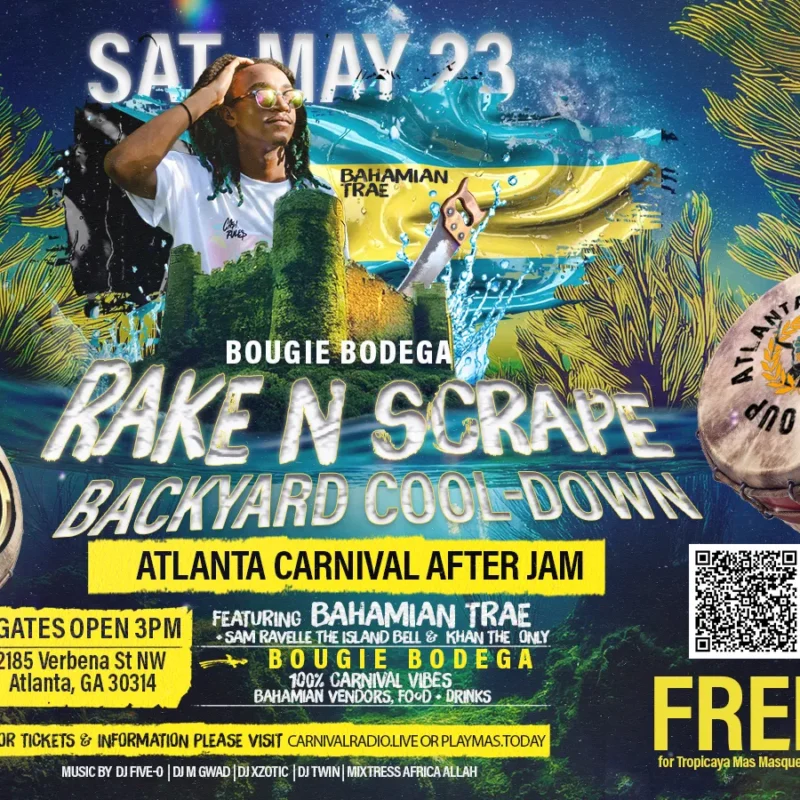
- Atlanta (May 23): Acts as the primary continental hub for those bypassing international customs.
- South Carolina (June 11): A “driving destination” that bypasses aviation instability, offering high-value cultural expression in Columbia.
4. The New Power Structure: From Corporate Liability to Community Asset
The implementation of Executive Order 14173 triggered a 40% decline in corporate sponsorship for identity-based events. As corporate legal departments view ethnic festivals as “complex liabilities” under federal audit threats, the power has shifted back to the “Ground Crew.”
The Paradigm Shift: 2024 vs. 2026
| Feature | 2024: Sanitized Corporate Era | 2026: Direct-to-Community Era |
| Funding Source | Large-scale corporate DEI grants. | Direct community support & localized commerce. |
| Messaging | “Palatable” for general audiences. | Authentic, “roots”-focused preservation. |
| Primary Driver | “Social media sludge” / Brand awareness. | Real-time utility & Ownership over Access. |
| Role of Organizer | Event Manager / Logistics Coordinator. | Travel Consultant / Cultural Trustee. |
By removing the corporate middleman, the culture is reclaiming its status as an economic engine. In Jamaica, despite Hurricane Melissa and 1.4 million displaced persons, Carnival 2025 generated J$165.7 billion, proving that joy is a sovereign economic pillar.
5. The “Sonic Passport” and Digital Infrastructure
Road Pass
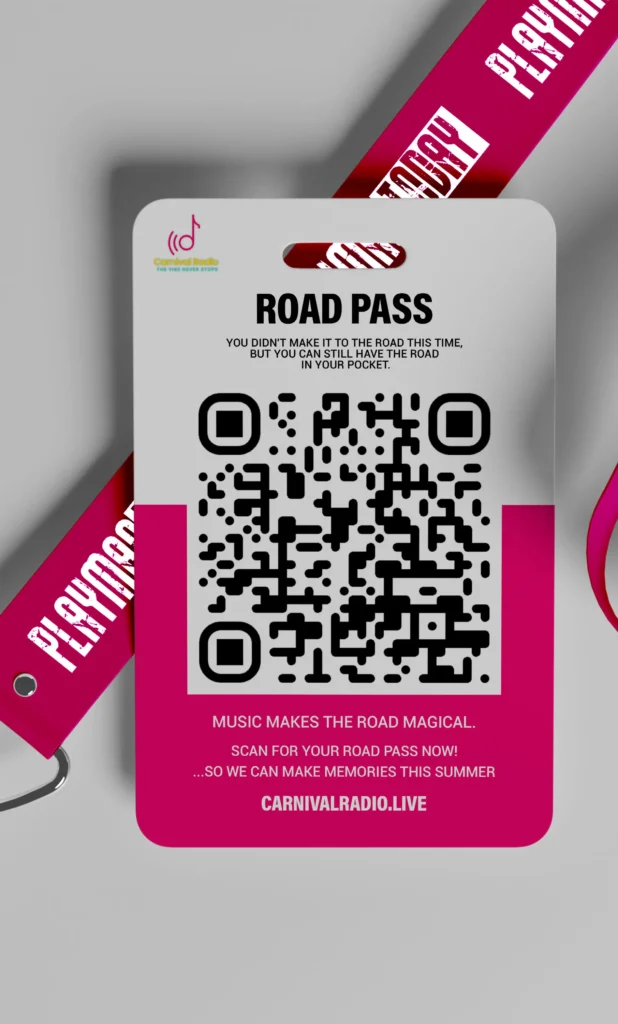
In this era of restricted mobility, the Sonic Passport—powered by platforms like CarnivalRadio.Live and TeamSoca.com—emerges as a decolonial tool.
- DJ as Brand Model: Cultural authority is now held by curators (DJ Private Ryan, Freeze International). If the “trust anchors” are present, the community follows, making the venue secondary to the vibe.
- Pedagogical Preservation: The “Discover Music” approach acts as a pedagogical tool. When a masquerader arrives at a cost-effective destination, they already possess the musical literacy of a local—this is the Digital Road Pass.
- Real-Time Utility: Tools like the Feel the Riddim app have evolved into essential engines, providing breaking news tickers on travel advisories and logistics trackers to bypass airport staffing issues.
6. Governance: Framing Identity as Economics
Under federal scrutiny, directors must frame festivals as “economic engines” rather than “liabilities.”
Audit-Readiness Protocol:
- Civic Documentation: Use “Town Square” podcasts to document community discussions, proving the festival serves a vital civic function.
- Economic Impact Data: Maintain rigorous records of local job creation and regional tourism to counter “liability” narratives.
- Ownership over Access: Prioritize data from owned archives (HF Archives) to demonstrate a self-sustaining financial model independent of corporate social impact funding.
7. Conclusion: The Frequency of Home
The path forward for 2027 requires a synthesis of the Micro-Carnival movement, the DJ-as-Brand model, and Real-Time Utility. By embracing geographic arbitrage and securing “Ownership over Access,” we bypass both aviation instability and corporate volatility.
“If the policy makers and corporate sponsors see our joy as a liability, then we will see our community as our only necessary currency. CarnivalRadio.Live is no longer just playing music; it is keeping the frequency of home tuned in, regardless of where the traveler stands or what the passport says.”
FAQ (Frequently Asked Questions)
Q: What is the “Frequency Over Friction” initiative? A: It is CarnivalRadio.Live’s 2026 strategy to provide a “Digital Road Pass.” We use uninterrupted airplay and community data to help masqueraders bypass aviation instability and policy hurdles by focusing on “Safe Haven” destinations like Atlanta, South Carolina, and the USVI.
Q: How do I use my Digital Road Pass for Atlanta Carnival on May 23? A: Simply tune into our 24/7 stream. By familiarizing yourself with the 2026 hits and “Road March” contenders via our platform, you arrive in Atlanta with the cultural literacy of a local, turning your domestic trip into a premium experience.
Q: What events are covered in the South Carolina Carnival (June 11-14)? A: Your pass covers the “Expressions of Harmony” weekend, including the Caribbean Night (June 11), the P.W.P. (Paint, Water, Powder) Festival (June 12), and the main Carnival Block Party.
Q: Does the Digital Road Pass help with travel logistics? A: Yes. Our platform acts as a “Sovereign Signal,” providing real-time updates on travel hacks, cruise-based alternatives for The Bahamas, and “No-Passport” benefits for U.S. territories like St. Thomas.