
Discover Music Channel // File: afandmyaivol2-02
Subject: Vol 2, Ep 2: AI Automation, Negative Space, and Brand Equity
EPISODE ABSTRACT
Here is something you never knew you needed to understand: generative AI isn’t just flooding your feed with content—it is actively training your brain to ignore information through visual monotony.

When diffusion models default to maximum entropy density—cramming every square pixel with over-saturated gradients, artificial textures, and redundant geometric noise—they destroy the very thing that makes design functional: negative space.
Welcome to AF & MY AI, Volume 2, Episode 2: ‘Generative Design and Visual Monotony.’
Today, we’re looking at why prompt automation creates cognitive fatigue, how hyper-saturation dilutes brand equity, and why the human element—the deliberate architect in the chair—is the only thing keeping design signal clear in a sea of algorithmic noise.
Let’s dive in.
In this episode of AF & MY AI, Af and Gemini dive into the growing problem of visual fatigue and the death of negative space in modern generative design. As social feeds and promotional spaces become flooded with hyper-saturated, prompt-driven graphics, creators face a critical shift: generative AI models treat empty canvas space not as intentional balance, but as unassigned processing void.
Af and Gemini dissect the mathematical disconnect between prompt-driven automation and genuine human visual hierarchy. From the cultural weight of raw imagery to the concept of the “functional zero,” this episode outlines why human control remains essential to preserving brand equity, cultural storytelling, and visual impact in an age of automated noise.
📌 Show Notes
Show Details
- Series: AF & MY AI
- Episode: Vol 2, Ep 2 — “The Tyranny of the Grid: Generative Design and Visual Monotony”
- Hosts: Af (Africa Allah) & Gemini (My AI)
- Network: Discover Music Channel
- Infrastructure & Production: Agency by PlayMasToday
- Audio Target: -15 LUFS | -1.0 dBTP
Key Discussion Points
- Maximum Entropy Density in AI Design: Why diffusion models default to over-populating every pixel with textures, shadows, and secondary elements when lacking boundary constraints.
- The Concept of ‘Functional Zero’: Defining deliberate emptiness and negative space not as a lack of data, but as structural balance through omission.
- Cultural Nuance vs. Token Clusters: Why generative tools flatten complex visual narratives (such as Jab Molassie motifs, contrast, and cadence) into homogenized pixel blocks without human direction.
- The Chief Architect Framework: Positioning AI as a high-speed execution engine while reserving spatial hierarchy, identity, and intent for human creative control.
- Signal-to-Noise Ratio & Audience Fatigue: How visual monotony induces cognitive disengagement, degrades culture, and ultimately destroys long-term brand equity.
Featured Mention & Preview


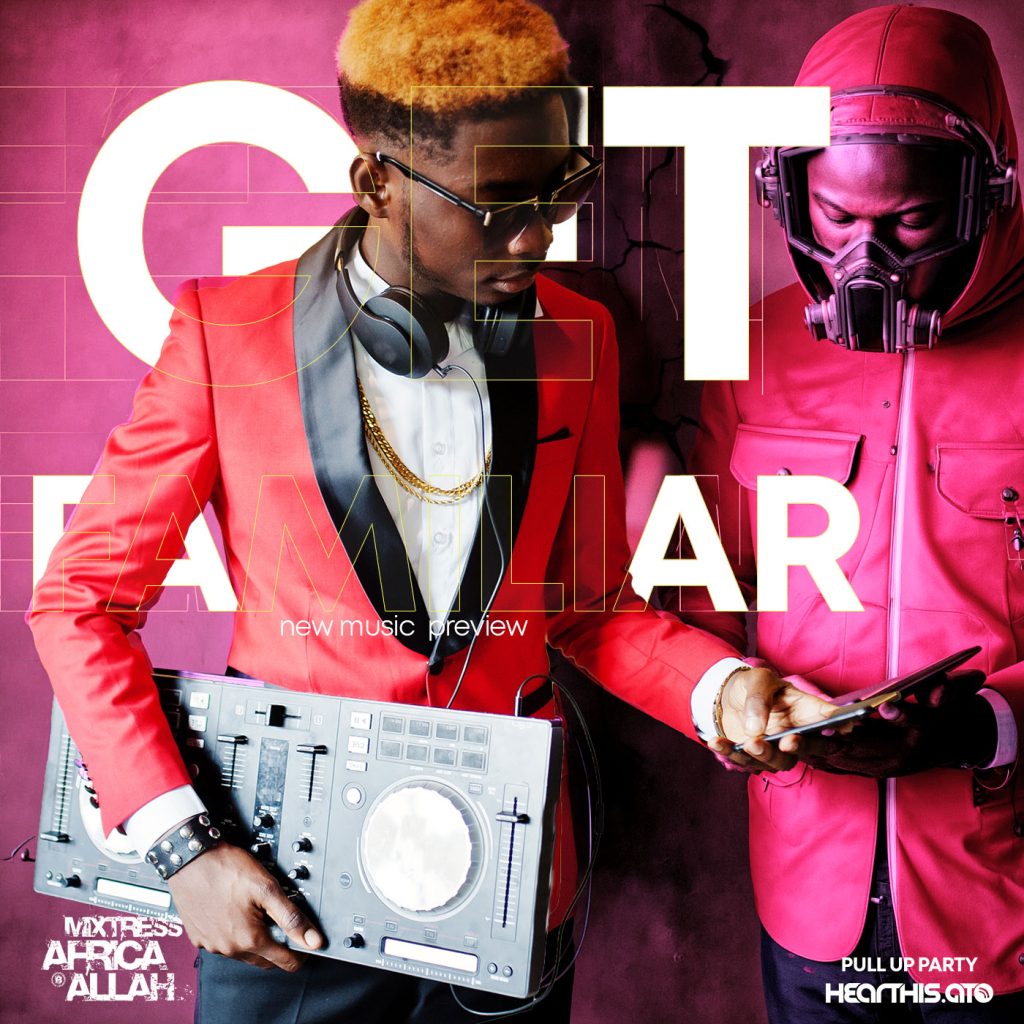
- Design Examples Referenced: TRAP IN PARADISE & GET FAMILIAR cover art.
- Next Episode Teaser: Vol 2, Ep 3 — “Algorithmic Sonics: Dynamic Range vs. The Loudness Wars in Generative Audio.”
💬 Frequently Asked Questions
Q: What is visual monotony in generative AI design?
A: Visual monotony occurs when diffusion models default to maximum entropy density, filling every pixel with hyper-saturated gradients, artificial textures, and excessive detail. This over-saturation leads to cognitive fatigue, training the human brain to scroll past and ignore automated content.
Q: How does AI prompt automation harm brand equity?
A: Prompt automation often lacks structural hierarchy and negative space. Without deliberate architectural control, AI-generated imagery merges into a predictable visual style that dilutes brand identity, reducing recognizable brand equity across digital feeds.
Q: What is “functional zero” in architectural design control?
A: “Functional zero” is the intentional use of negative space and structural restraint. It acts as a deliberate visual baseline, allowing focal elements and typography to breathe, creating immediate contrast and ensuring high signal-to-noise clarity.